Boral Roof Repair in San Bernardino: A Homeowner’s Guide
Boral roof repair in San Bernardino usually costs $400 to $1,800 depending on whether you’re dealing with broken tile or failed underlayment. Most repairs on Boral roofs installed 15 or more years ago are underlayment failures, not tile failures. If you’d rather not chase leaks yourself, call (866) 361-0798 for a free estimate.
Here’s the thing about Boral concrete tile: the tile can last 50 years. The underlayment beneath it typically lasts 20 to 25. So when a San Bernardino homeowner says “my Boral roof is leaking,” we rarely find that the tile itself gave out. We find an underlayment that reached the end of its service life and started letting water through to the decking. Understanding that distinction is the difference between a one-time fix and a repair that fails again next winter.
Key Takeaways
- Boral tile rarely fails on its own; the underlayment underneath is the weak link
- Repair costs run $400 to $1,800, while full underlayment replacement runs $8 to $14 per square foot
- Some Boral profiles are still color-matchable after 10+ years; others require batch blending
- California law requires a C-39 roofing license for any tile repair over $500
- Boral’s warranty has specific rules about who can perform repairs without voiding coverage
Why Most San Bernardino “Boral Repair” Calls Are Actually Underlayment Jobs
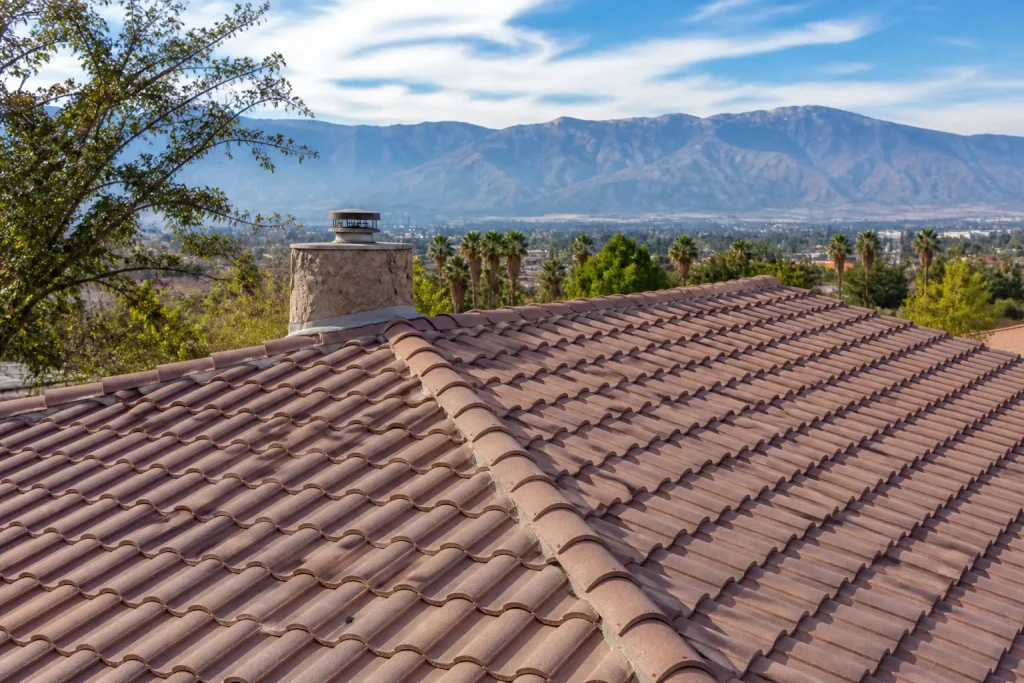
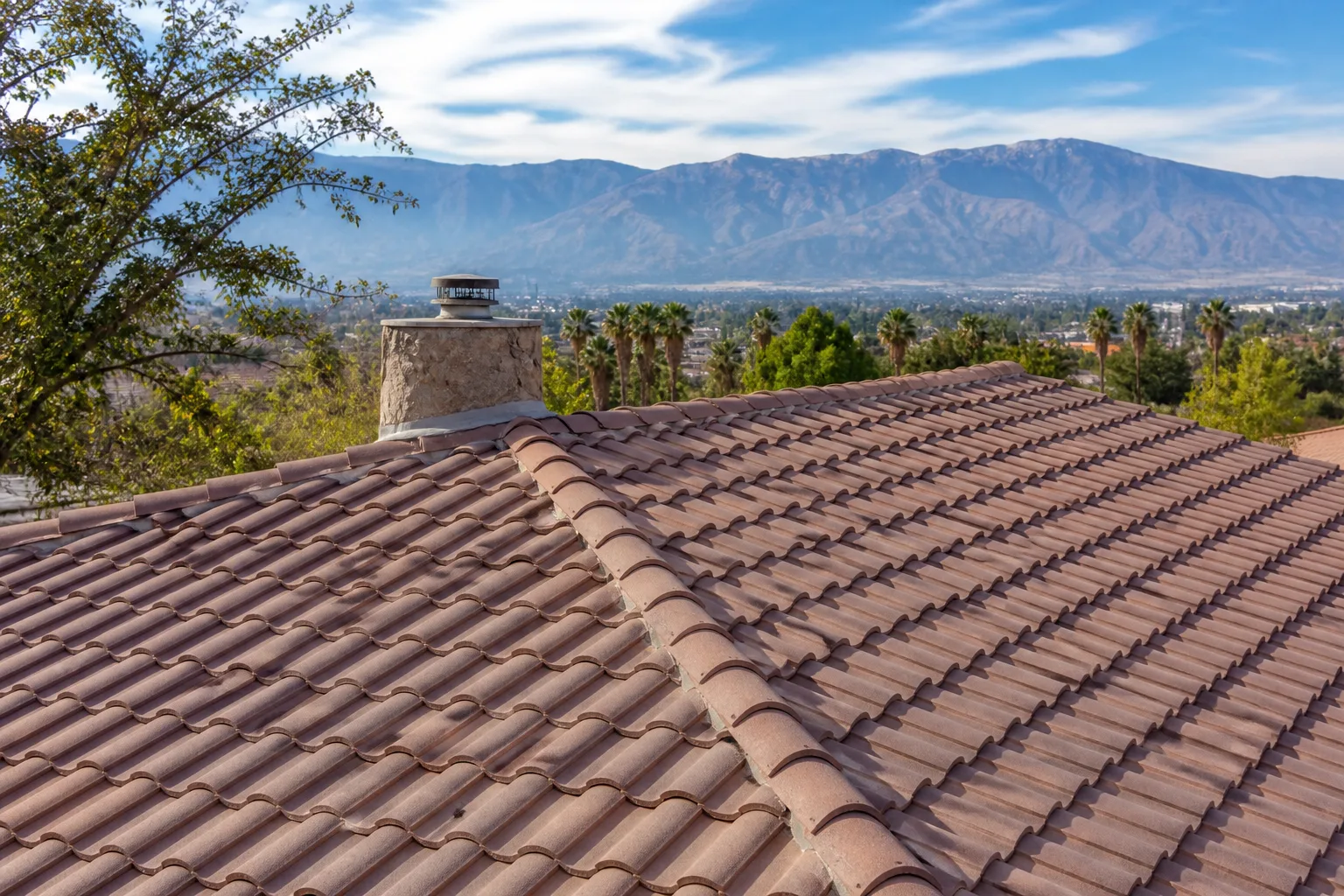
San Bernardino sits in a hot-dry climate zone, but the foothill neighborhoods on the north side get real rainfall in winter and the Santa Ana winds chew at older roofs every fall. Boral concrete tile performs well in these conditions precisely because the tile is dense and durable. The underlayment beneath it, though, is typically 30-pound felt or an early synthetic that was installed 20 to 30 years ago when the tract communities around Del Rosa, Arrowhead, and Muscoy were built out.
We inspect before we recommend. That’s not a slogan, it’s a sequence. When we walk a Boral roof in San Bernardino, we look for cracked, slipped, or broken tiles first because those are the visible failures. But we also check for subtle signs that the underlayment has failed underneath intact-looking tile: water staining at the eaves, soft spots in the decking near valleys, rusted fasteners visible at the tile edges, or granule-free felt paper peeking out at laps. Those signals mean the problem is systemic, not isolated to one or two tiles.
A true tile failure costs $400 to $800 to fix on most homes. An underlayment failure under 100 square feet of roof runs $800 to $1,500 to strip, re-paper, and reset the same tile. The pricing is different because the work scope is entirely different, and a homeowner who doesn’t know that is vulnerable to a low bid that only replaces the visible broken tile.
What a Failed Underlayment Looks Like on a Boral Roof
You can’t see the underlayment through the tile. You can see what it leaves behind. Here’s what we look for in San Bernardino homes before we ever start pulling tile:
- Staining on the underside of roof sheathing visible from the attic, often in channels that follow the roof slope
- Sagging or warped decking near areas where snow melt or rain pools temporarily, like behind roof-mounted equipment
- Rusted metal flashing at roof penetrations, which suggests moisture has been sitting in that area for years
- Loose or sliding tile courses along the eaves or rake edges, where underlayment failure removes friction the tile needs to stay put
- Dark mineral lines or algae staining running down from the felt laps onto fascia boards
The repair shortcut we see too often in this market: a roofer re-nails scattered tiles, re-beds ridge titles at the peak, and calls it done. The problem returns within 8 to 12 months because the underlayment underneath still lets water through. From the ridge cap down, the system has to work as one, and re-nailing tile onto failed paper is like putting a new sole on a boot with a hole in the lining. It looks right from the ground and leaks from the top.
Boral Tile Profiles and the Real Color-Matching Situation
Boral has offered a broad lineup in Southern California over the years, and some of the more common profiles on San Bernardino roofs are flat shake, barrel mission, and the company’s lightweight concrete profiles used on tract construction through the 1990s and 2000s. If your roof was installed in the last 10 to 15 years, chances are the profile and color are still actively manufactured or available through Boral’s distribution network without a painful lead time.
Older roofs are a different story. Boral and other manufacturers periodically retire colors or shift production plants, which means a tile you could buy off the shelf in 2006 might now be a special-order product with an 8 to 12 week lead time. A competent repair is possible even in that situation, but it requires opening up a section of the roof and blending a matched stock color with the surrounding field tile. The tile needs to be pulled from unaffected areas and re-staged so the visual difference is spread across the whole plane rather than concentrated in one patch.
This is where manufacturer knowledge matters in practical terms. Our team has material depth across seven major brands, including Boral along with Atlas, IKO, and other product ecosystems, but that breadth only matters to a homeowner when a specific profile has been discontinued elsewhere. Sometimes the right material for your roof means staying with Boral and waiting for the right batch. Other times, a visually compatible tile from Atlas or a repair profile recommendation from the manufacturer gets the roof water-tight faster without sacrificing a uniform appearance. The point is that no single-brand roofer can make that comparison honestly because they only stock one option.
The Labor Reality: Removing and Resetting Concrete Tile Without Breaking It
Concrete tile is heavy, brittle at the edges, and expensive to replace when someone cracks it. A proper repair on a Boral roof in San Bernardino means the crew removes tile from the affected area, stacks it carefully in order, cuts out the failed underlayment, installs new paper with proper laps, and then resets the same tile with fresh fasteners where needed. This is exacting work, and the difference between a crew that knows what they’re doing and one that doesn’t shows up in the breakage rate.
A contractor who has done this repeatedly will bring enough replacement tile to cover what’s already broken, explain how they’ll protect the tile courses they’re standing on, and show you the section marked out before they start pulling material. A contractor who is guessing will mention “we’ll see what we find” without a clear marking plan and will likely crack more tile than they replace. Ask to see the proposed repair area marked, and ask how much replacement tile they’ve budgeted to account for breakage. The answer tells you a lot.
The resetting stage is where re-nailing claims run into reality. Boral tile is designed to interlock, and the fastening pattern varies by tile profile, roof slope, and exposure category. San Bernardino sits in a moderate wind zone but the foothill areas get gust activity that makes edge nailing essential. When tile is re-set, every course has to work with the one below it or wind-driven rain gets behind the tile and accelerates the underlayment failure.
California Licensing and Boral Warranty Requirements
Any roofer performing tile repair in San Bernardino needs a valid California C-39 roofing contractor’s license. That’s not optional, and it’s the first thing a homeowner should verify. Working with an unlicensed individual or a handyman on a Boral tile roof creates liability problems beyond the immediate leak, because substantial repairs over $500 require a licensed contractor under state law.
The Boral product warranty is a separate consideration, and it deserves careful reading before any repair begins. Boral’s warranty documentation typically requires installation of its products in accordance with the manufacturer’s published installation guide and relevant building codes. A repair that deviates from those standards, performed by an unlicensed or untrained crew, can void the remaining warranty on the surviving tile. That’s a real financial exposure on a roof that still has 20 or 30 years of useful tile life.
We carry the C-39 license required for this work in California and we’re insured and bonded for roofing operations. If you have the original Boral installation paperwork or a copy of your original tile order, keep it accessible. It helps determine the exact profile and color, and it establishes the warranty start point if a claim ever moves forward.
When a Repair Makes Sense and When It Doesn’t
Repair when it makes sense. Replace when it doesn’t. That’s the honest framework we apply to every Boral roof we walk in San Bernardino, and it keeps us from recommending a $30,000 reroof on a home that needs 80 square feet of underlayment replacement and six new tiles.
A repair makes sense when the underlayment failure is localized, the tile is otherwise sound, and the roof decking beneath the failed paper is dry and intact. We’ve repaired Boral roofs in San Bernardino’s older tract areas where a valley was improperly flashed during original construction and water followed that defect for years before anyone noticed. The fix was removing the tile along that valley, installing new flashing and underlayment, and resetting the same tile. The homeowner spent under $2,000 and got a roof that should have been corrected decades earlier.
A replacement makes sense when the underlayment failure is widespread, the tile itself is spalling or cracking from age, or the homeowner wants a different roof system that better matches their long-term plans. If you’re in that situation, our Roof Replacement in San Bernardino service handles the full scope, from tear-off through final inspection, using the right material for your roof rather than the one we happen to stock.
When to call a pro: if you’re seeing water stains on the ceiling or along the walls, don’t climb up with a tube of sealant and hope it lands in the right spot. Boral tile is slick, brittle, and not built for foot traffic without the right equipment. A professional inspection costs less than a roofer’s visit for a bigger problem later, and it tells you which side of the repair-versus-replace line you’re on.
Related Services in San Bernardino
If you’re unsure whether the leak is tile-related or underlayment-related, the right first move is a Roof Inspection in San Bernardino. We inspect before we recommend, and the inspection gives you a written scope with photos so you can see what we see under the tile. For localized tile and underlayment repairs on Boral roofs, see our Roof Repair in San Bernardino page. For broader guidance on materials and the tradeoffs of each system, start at our Ridge Cap Roof Repair home page.
What happens when you call
- 1
A real person answersNo phone trees — you reach a local pro.
- 2
You get an upfront price rangeHonest numbers before anyone is dispatched.
- 3
A background-checked tech heads outLicensed & insured, dispatched right away.
- 4
You approve before work beginsNothing starts until you say go.
The Bottom Line
Boral concrete tile is one of the most durable roof surfaces ever installed in San Bernardino, and most “Boral roof repair” problems are actually underlayment problems hiding underneath intact tile. The right diagnostic approach separates tile replacement from underlayment replacement, because the cost and the scope are meaningfully different. Seven manufacturers. One crew. We work across GAF, Owens Corning, Atlas, and Boral product ecosystems so we can match the original tile profile when possible and recommend an honest alternative when it isn’t.
If you’re in San Bernardino and you’re tired of the same leak coming back, Ridge Cap Roof Repair offers free estimates. Call (866) 361-0798 and we’ll walk the roof, mark the suspected area, and give you a straight answer about what’s actually failing.
Frequently Asked Questions
Boral concrete tile typically lasts 40 to 50 years in San Bernardino’s hot-dry climate, though the underlayment underneath usually lasts 20 to 25 years before it needs replacement. The tile itself rarely fails first. Call (866) 361-0798 for an inspection if your roof is over 20 years old and you’re seeing interior stains.
Most Boral roof repairs in San Bernardino run $400 to $1,800 depending on whether the job is isolated tile replacement or underlayment replacement under an intact tile section. Underlayment replacement under a larger failed area runs $8 to $14 per square foot. Call (866) 361-0798 for a free estimate with a written scope.
Some Boral profiles and colors are still actively produced, but discontinued colors require pulling tile from less visible areas and blending it with the closest current production color. That approach keeps the visual difference spread across the roof plane instead of concentrated in one patch. It takes more labor, but it’s the right way to handle a discontinued color.
Boral’s warranty can be affected if repairs are performed by an unlicensed or untrained contractor, or if the work deviates from Boral’s published installation standards. Always verify the contractor’s California C-39 license and ask how the repair complies with the manufacturer’s installation guide for the specific tile profile.
Most isolated tile replacements don’t require a permit, but repairs that involve underlayment removal over a larger area may fall under San Bernardino’s reroofing permit requirements. The cost difference is small relative to the cost of an unpermitted repair that fails inspection during a later home sale. A licensed contractor can tell you which path applies to your specific job.
Written by the team at Ridge Cap Roof Repair, serving San Bernardino since 2018.
Need Roofing Help?
Call Ridge Cap Roof Repair — licensed & insured, here with fast after-hours help in San Bernardino.
(866) 361-0798