
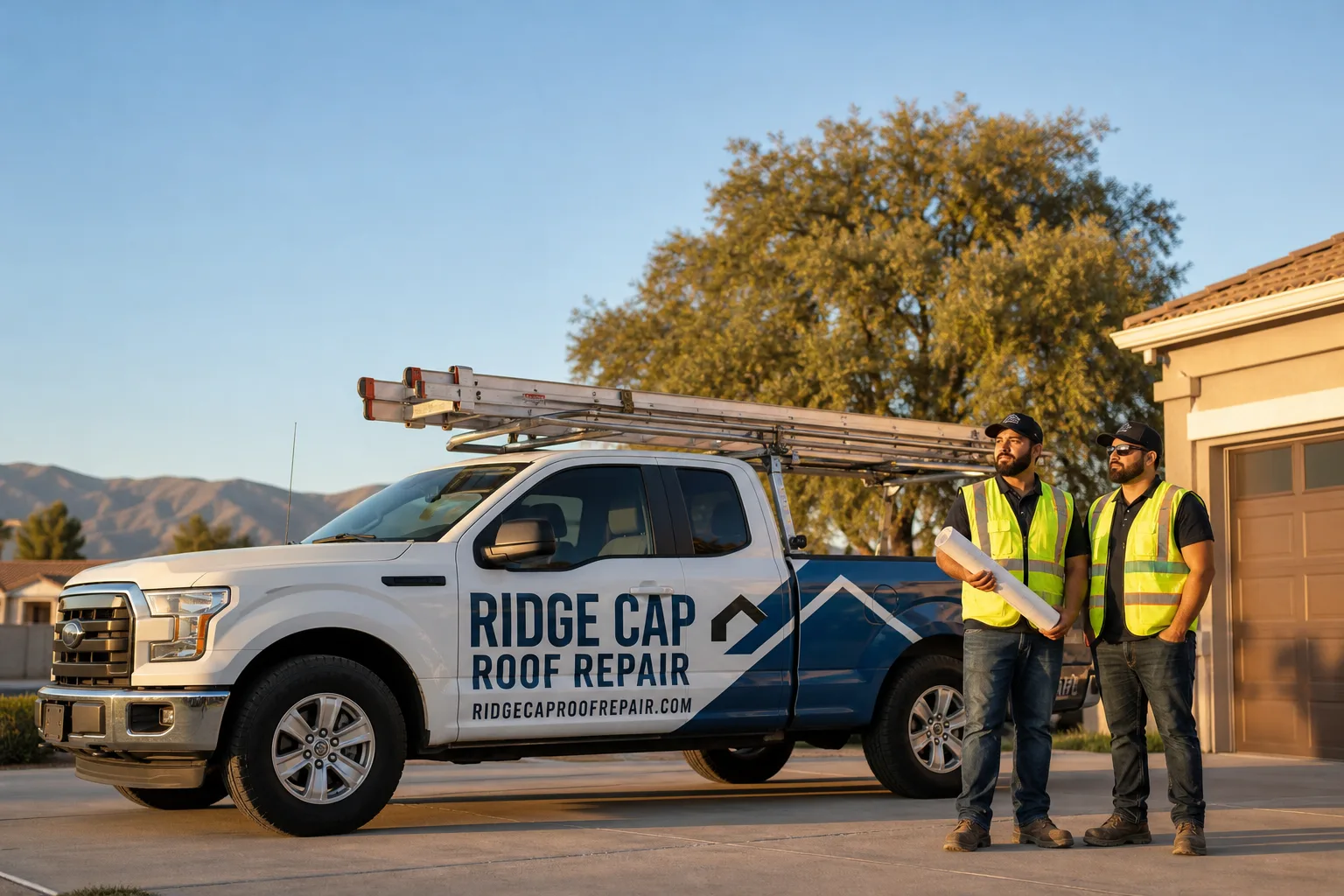
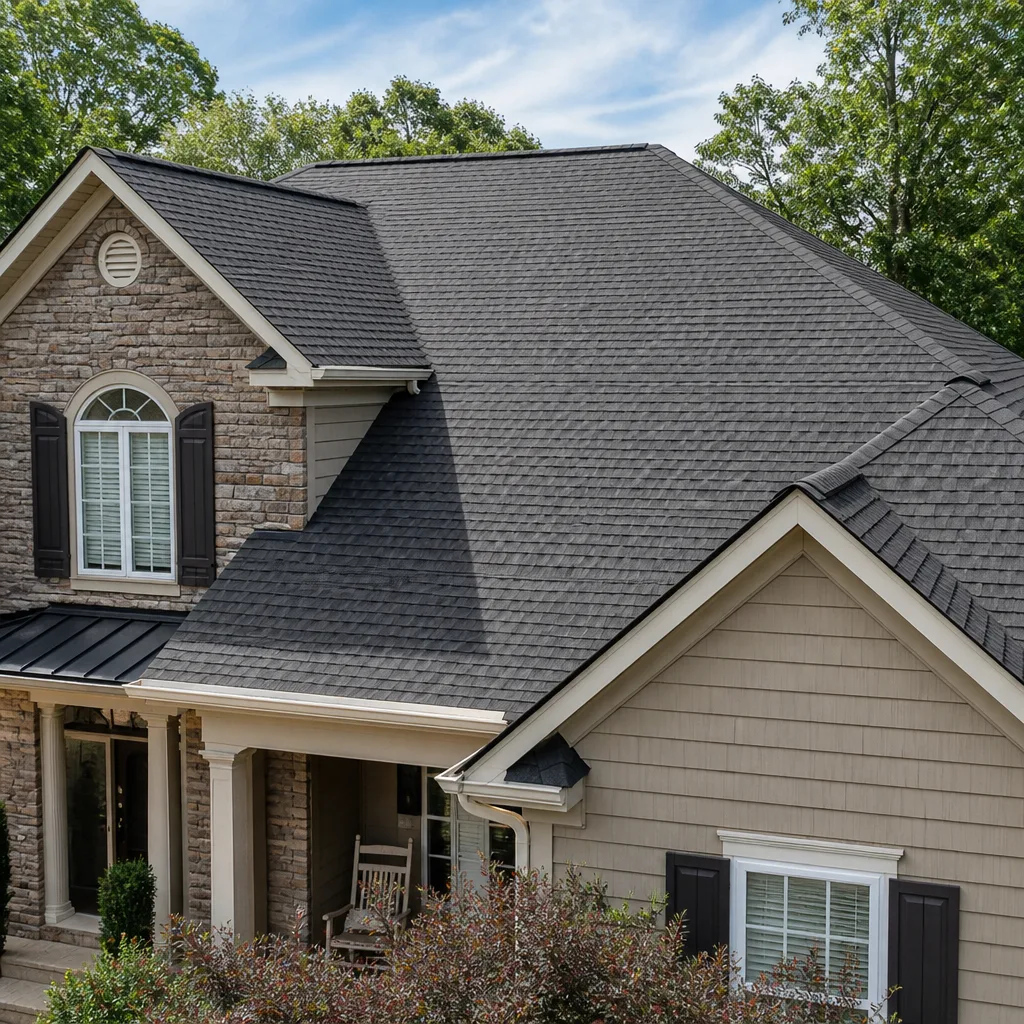
 Architectural shingles
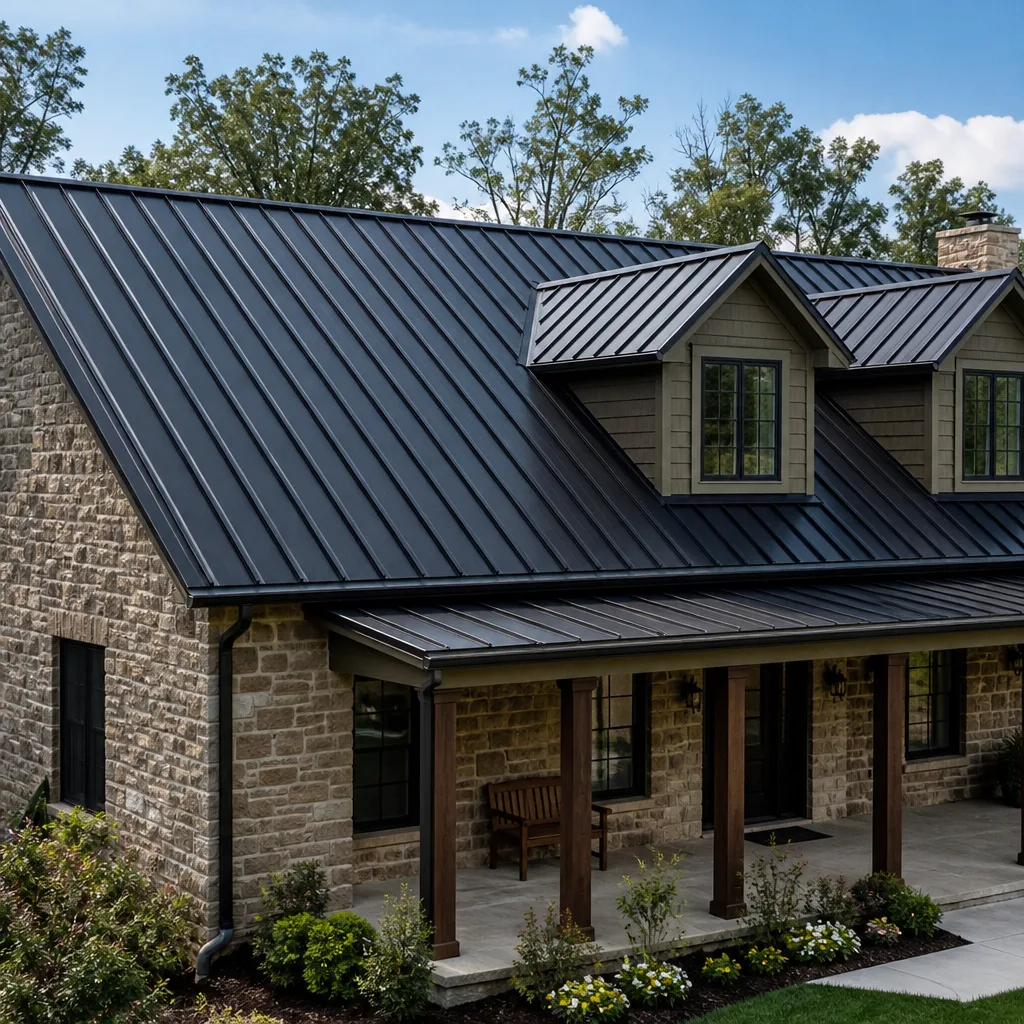 Metal roofing
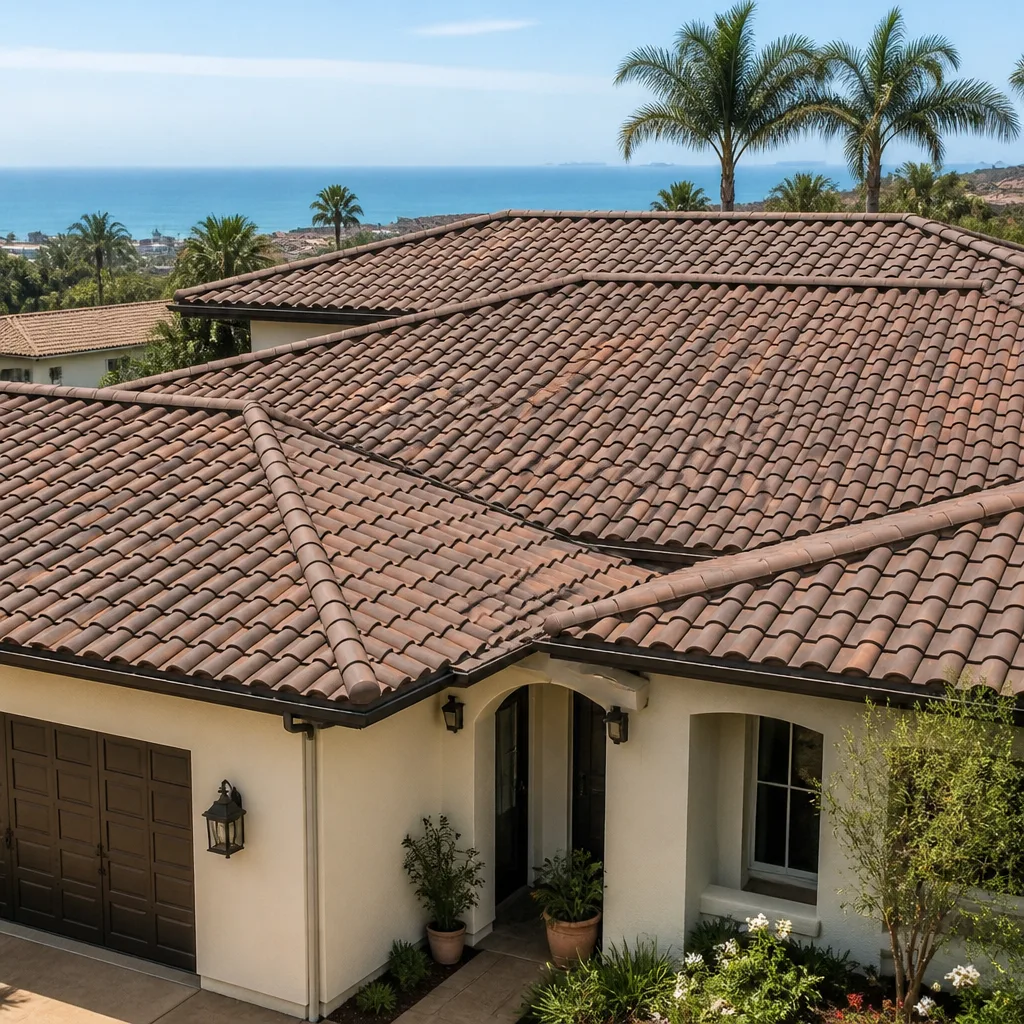 Tile roofing
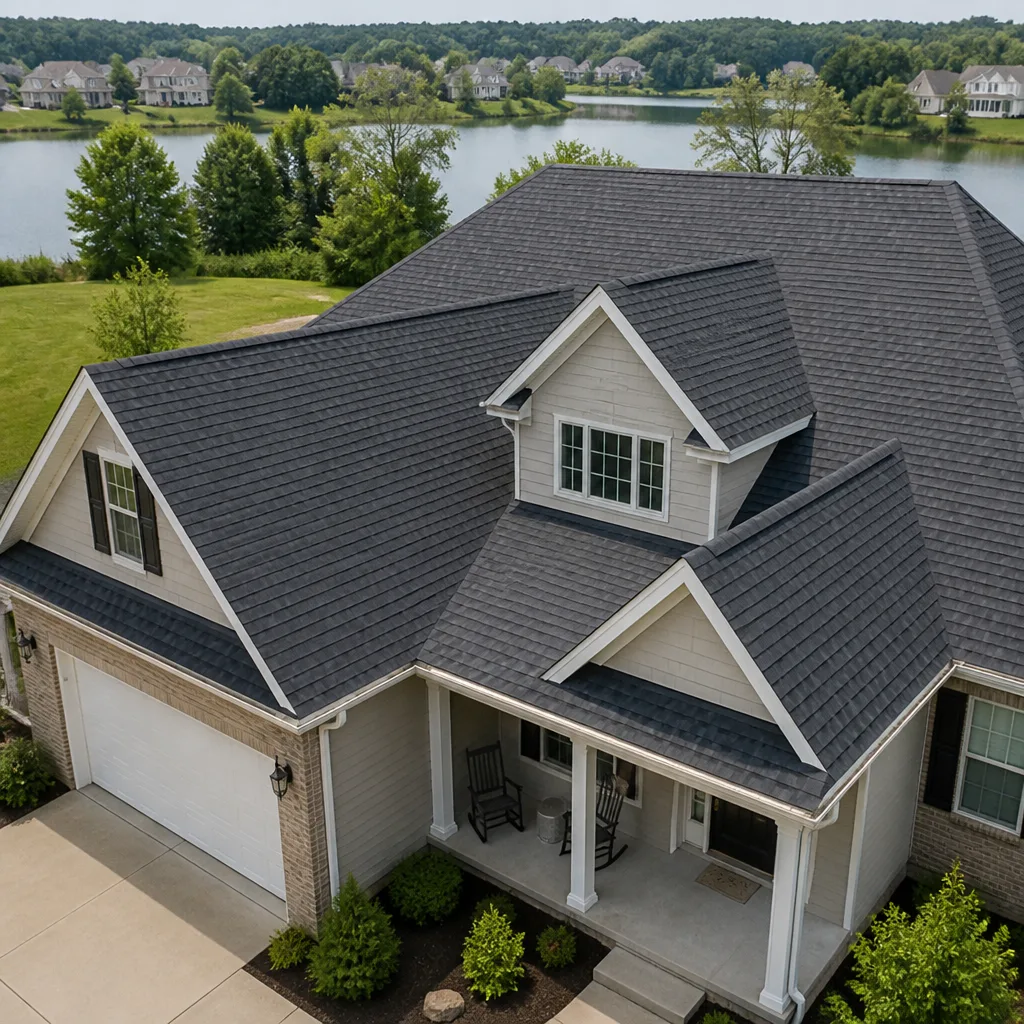 GAF
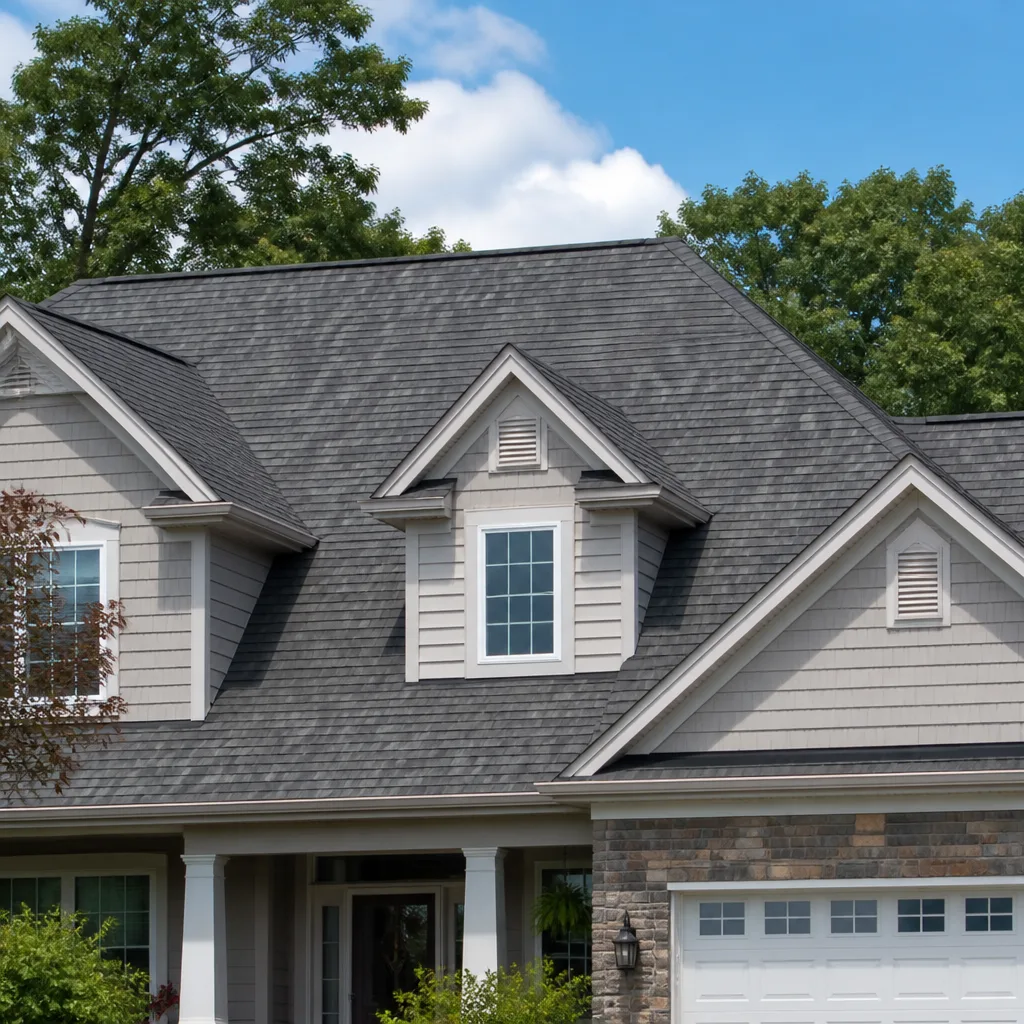 Owens Corning
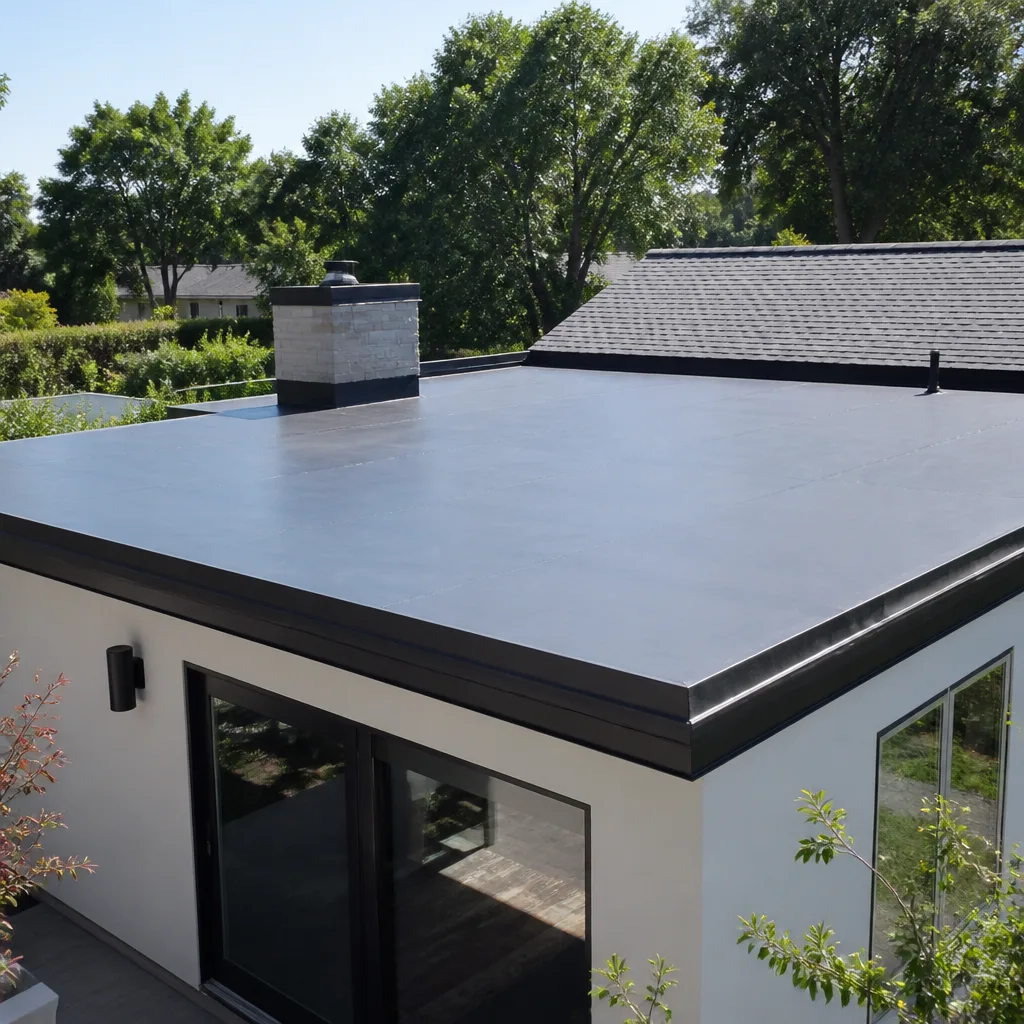 Flat & low-slope
Free roof inspection with deck photos before we talk money - GAF and Owens Corning certified installation
Fast, Reliable Roof Repair Across San Joaquin Hills
Roof repair in San Joaquin Hills usually costs between $450 and $2,800 depending on what failed, and most jobs we handle here are done in a single day. The catch in this ZIP code: the tile often looks fine while what’s underneath it has already surrendered to decades of salt air. If you’re seeing ceiling staining in a 1990s hillside home, call us at (866) 361-0798 before the next Santa Ana event turns a slow leak into a decking replacement. We know the canyon-edge homes in The Summit and Crystal Ridge because we work on them year-round.
Why Ridge Cap Roof Repair Is San Joaquin Hills’s Preferred Roof Repair Company
Our Roof Repair team works from the ridge cap down because that’s where this community’s roofs actually fail first. San Joaquin Hills isn’t a typical suburban roof market. The homes sit on ridgelines and canyon rims where onshore marine air hits them from the west and Santa Ana winds hammer them from the east. That’s two completely different failure modes on the same roof, and a contractor who only knows one of them misses the other.
Noel Cardenas built Ridge Cap around a simple order of operations: inspect before we recommend, repair when it makes sense, replace when it doesn’t. Seven manufacturers. One crew. We service roofs from GAF, CertainTeed, Owens Corning, IKO, Atlas, Tamko, and Boral, so the material call is driven by what your specific ridge line actually needs, not by what we happen to stock deepest.
Homeowners in San Joaquin Hills call us after chasing leaks for months. They’ve had someone re-bed a few tiles and leave, only to have the stain return with the first real rain. The fix that lasts here is under the tile, not on top of it. Noel’s crews open it up, look at the decking, look at the fasteners, and write the repair from the actual condition of the roof. No hand-offs. The same team that inspects is the team that repairs.
Styles & brands we work with
Emergency Roof Repair in San Joaquin Hills
Emergency Roof Repair in San Joaquin Hills almost always involves wind-driven rain finding the gap where a ridge cap lifted or a piece of step flashing pulled away from a chimney on a seaward slope. When the Santa Anas barrel through the canyon mouths between The Summit and Crystal Ridge, they don’t knock tiles off so much as pry at the edges, and water follows the path the wind opened. A same-week response on exposed ridgeline homes matters because the next marine fog cycle keeps the opening wet even when the rain stops.
Stopping Active Intrusion on Exposed Slopes
When water is coming through the ceiling, the first move is targeted tarping at the penetration points, then a full tracing of the water path under the field. On steep canyon-facing pitches, we work from the eave upward to find where the underlayment has ripped or where corroded flashing at a vent has opened a channel.
When the Soffit Tells the Story
Water stains on stucco below the soffit line on the seaward side of a Canyon Crest home usually mean wind-driven rain entered at the drip edge and rode the fascia backward. That’s a flashing and starter-course repair, not a full re-roof, but it needs to be caught before the fascia sheathing rots. Expect $600 to $1,400 for a complete step-flashing and starter repair on a typical two-story San Joaquin Hills hillside home.
Flat Roof Repair in San Joaquin Hills
Flat Roof Repair in San Joaquin Hills shows up most often on the mid-century and 1980s contemporary homes tucked into the lower canyon benches, where a low-slope section ties the garage or a covered walkway into the main tile field. The failure pattern here is predictable: ponding water at a scupper or a failed lap seam that opens after years of damp marine mornings, and by the time you see it on the ceiling, the insulation board underneath is saturated. Repairs on these sections typically run $850 to $2,200 depending on whether we’re replacing a seam or pulling back and redoing a full 10-by-10 section.
Seam and Scupper Work on Low-Slope Ties
The seam where a flat section meets a tile transition is the highest-failure point on these roofs. Salt fog settles in that joint, the membrane ages faster there, and the first big rain pushes water sideways under the tile. We cut back the failed lap, inspect the substrate beneath, and install a marine-rated membrane with sealed edge detailing rather than patching over old material.
Ponding Water and the Underlayment Diagnosis
If water stands on a flat section for more than 48 hours after rain, the membrane is no longer shedding and the underlayment below is almost certainly wet. In San Joaquin Hills, the fix is rarely just a coating. We open the section, dry and repair the decking as needed, then re-membrane with a slope-corrected surface so the next fog cycle doesn’t become the next interior stain. The coastal-spec version of this repair costs more up front because we’re specifying seam tapes and fasteners that resist salt corrosion, but it avoids the re-repair in year three.
Trusted Brands We Service in San Joaquin Hills
When a San Joaquin Hills roof needs repair, the right material is never a guess. We service and source from GAF, CertainTeed, Owens Corning, and IKO, and we can match the existing field on your roof without forcing a brand switch. For canyon-edge homes, that means we’re pulling the right underlayment spec, the right valley metal, and the right fastener grade for salt exposure, not just matching a shingle color. Local supply runs to San Joaquin Hills keep most repairs on a one-trip schedule because we arrive with the materials the job actually calls for.
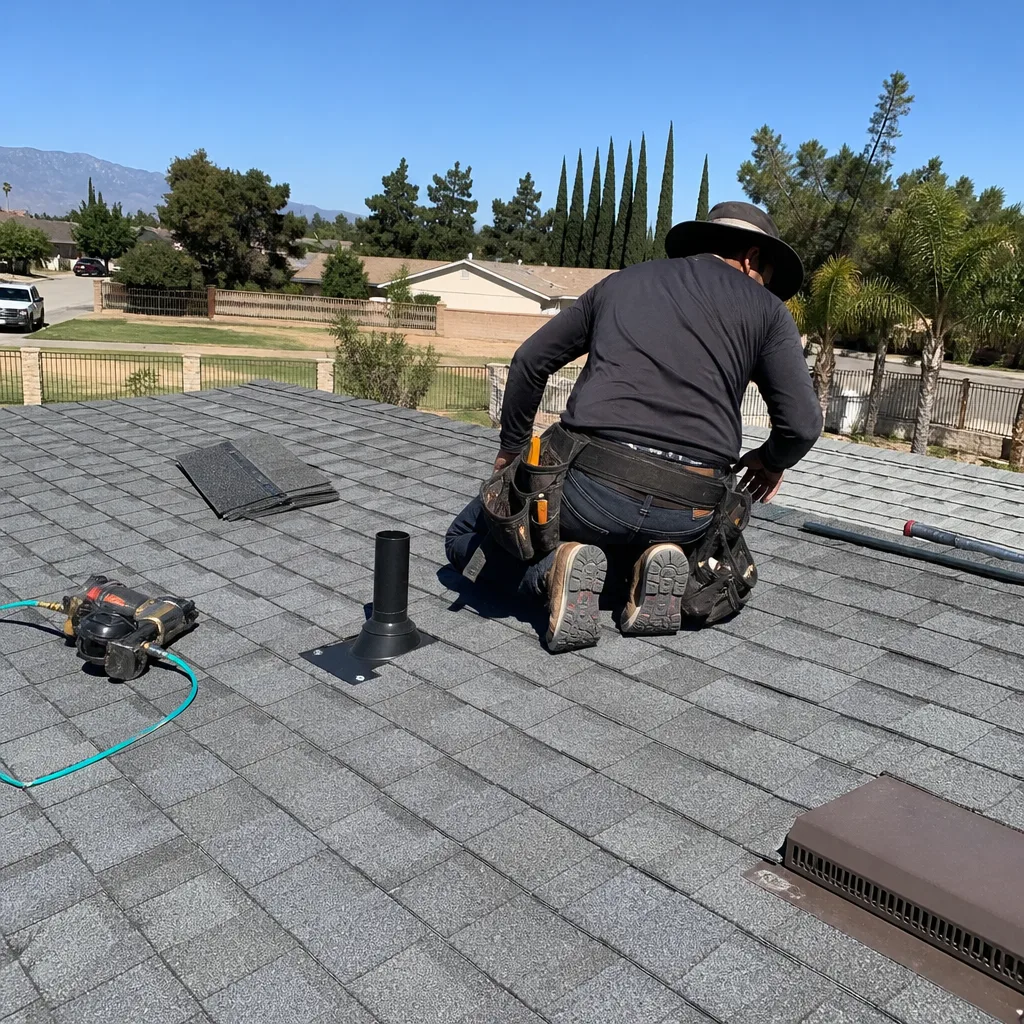
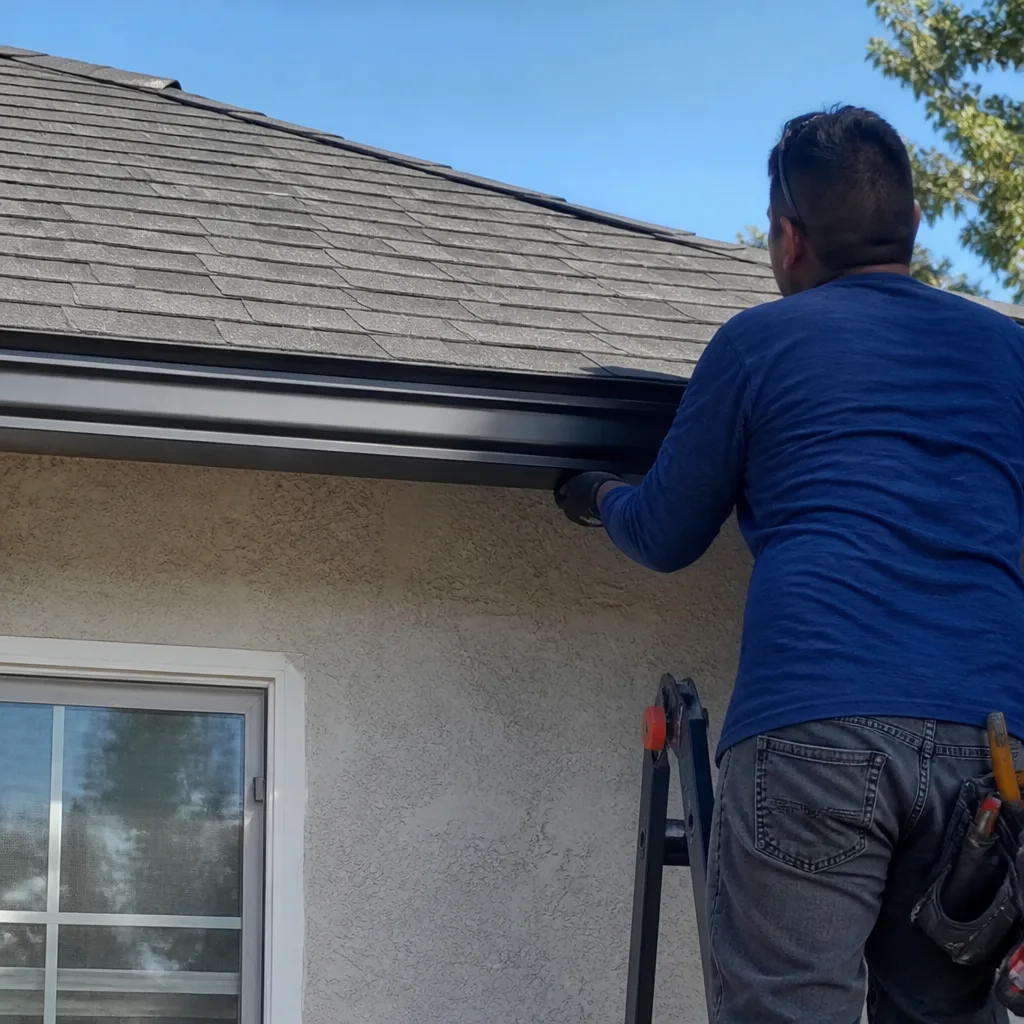
See the difference
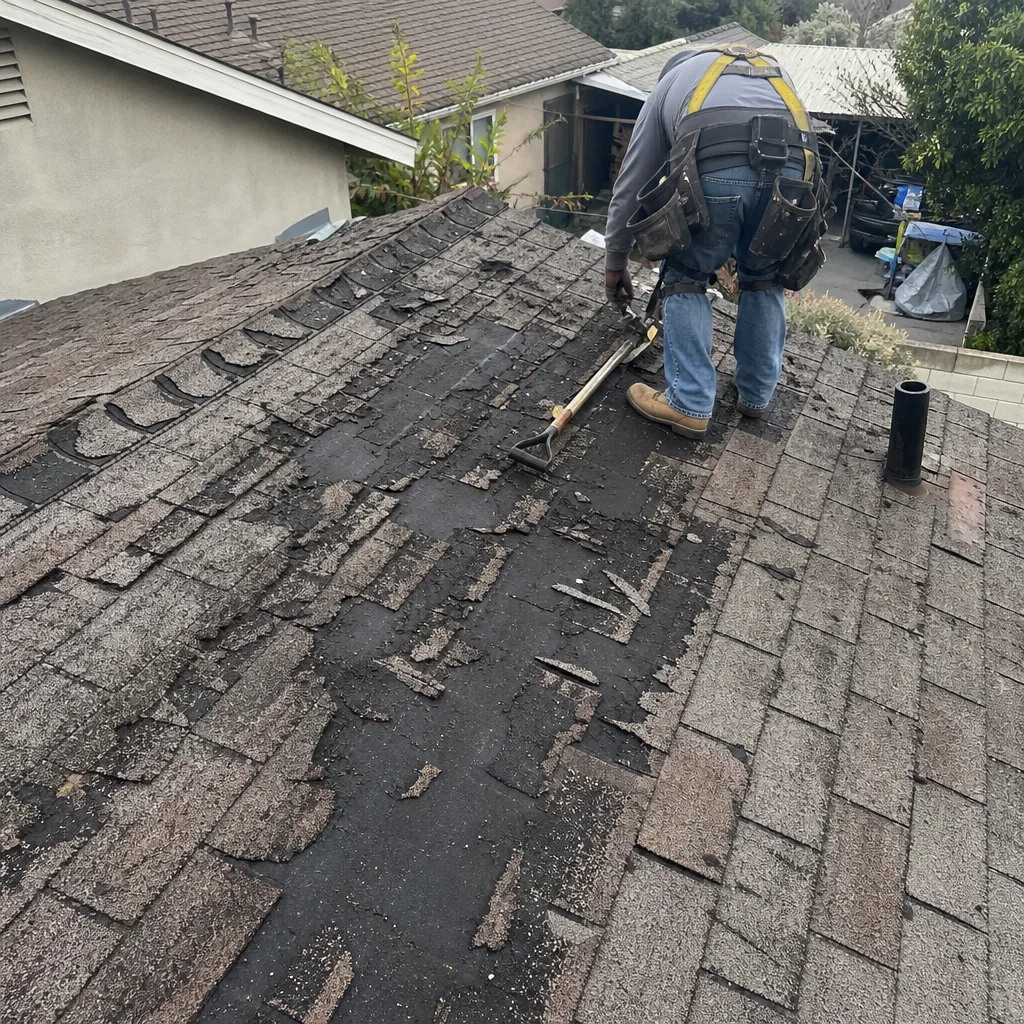 Before
 After
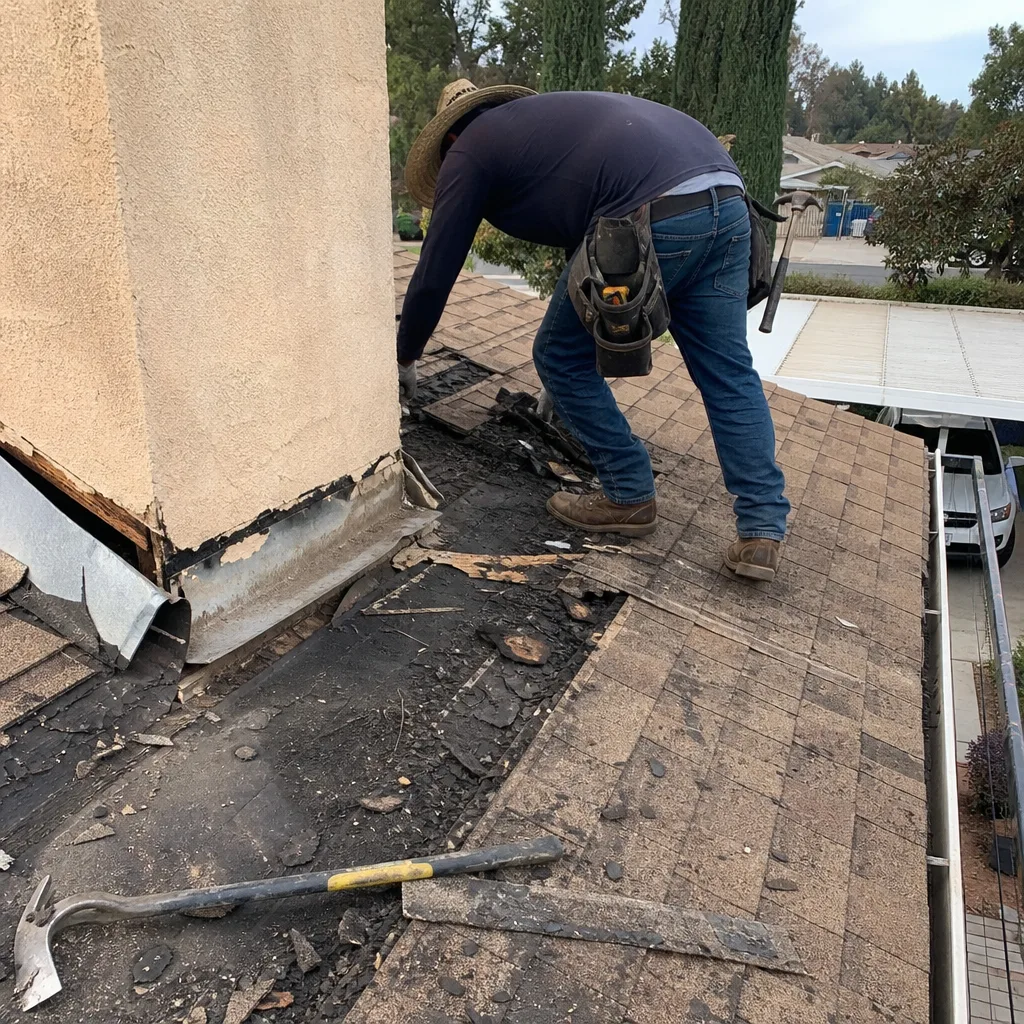 Before
 After
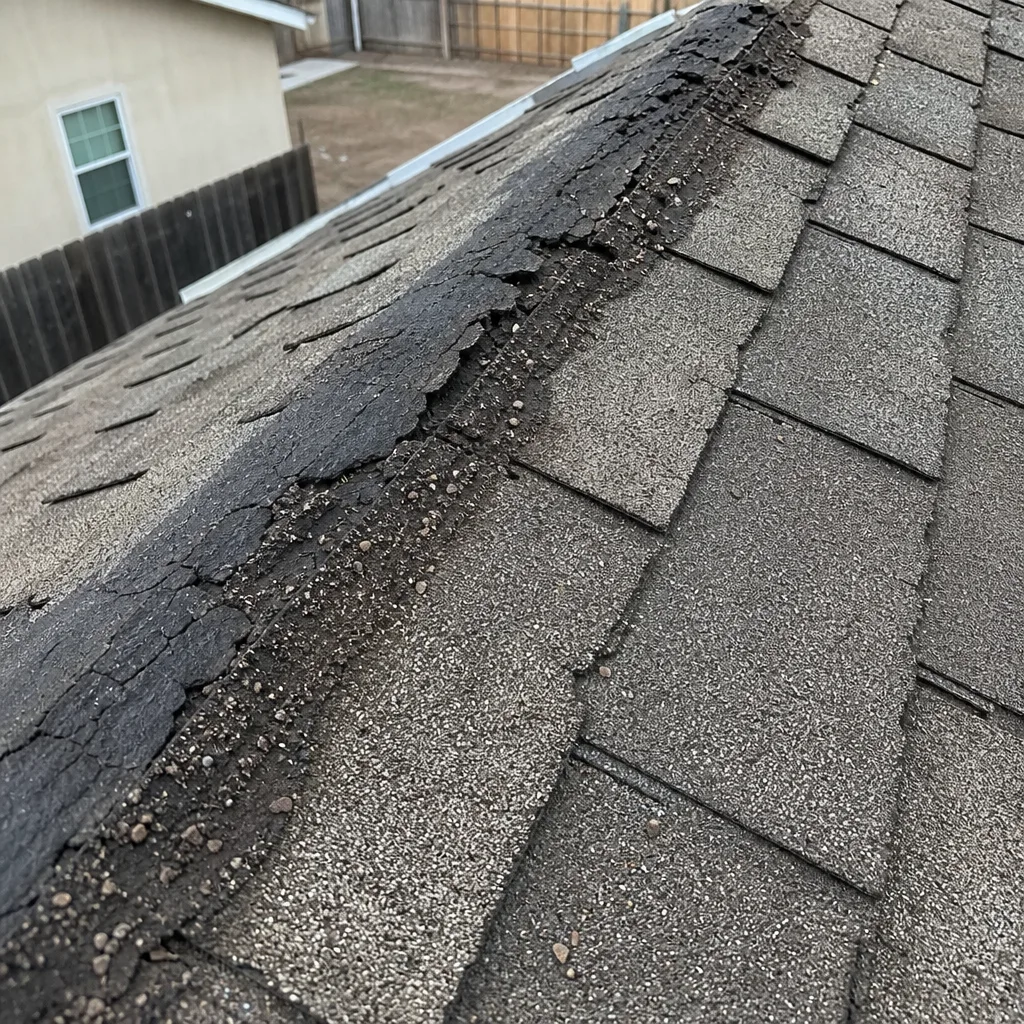 Before
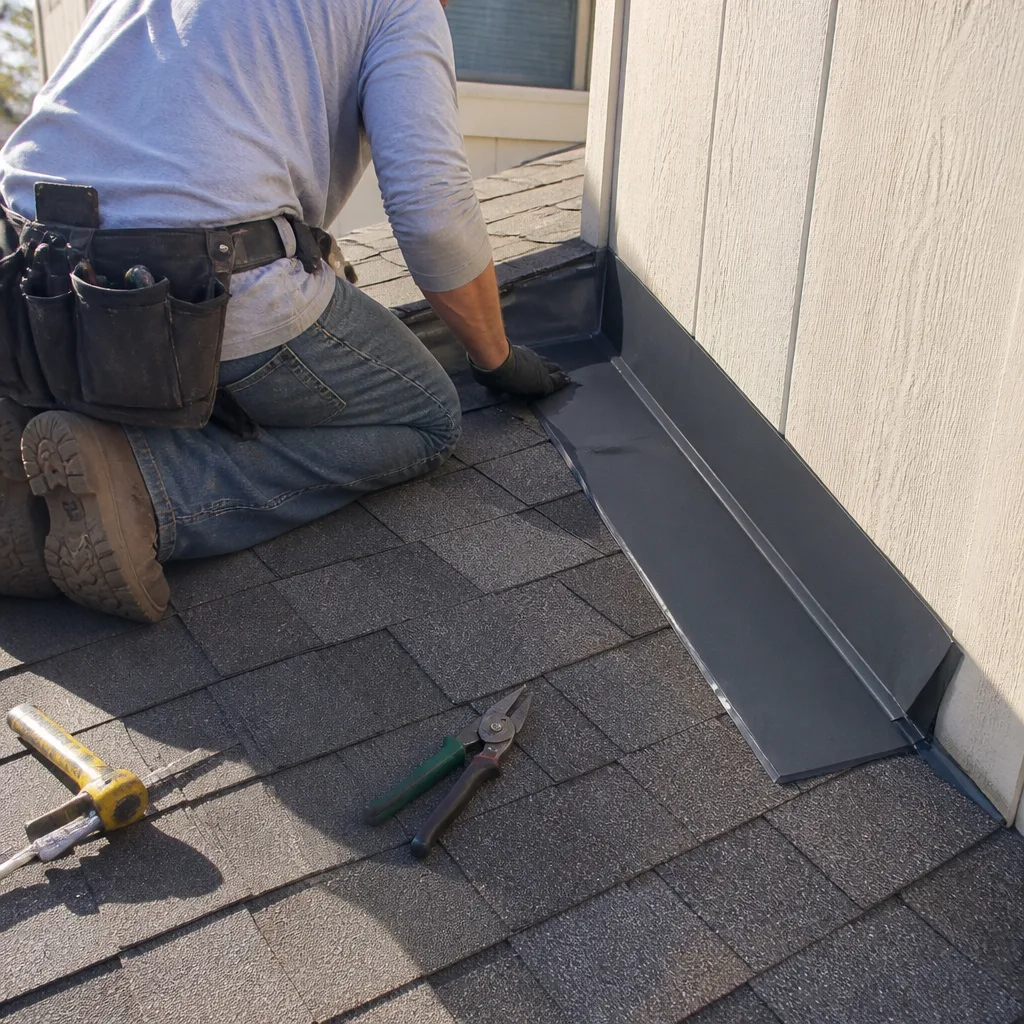 After
Common Roof Repair Problems We See in San Joaquin Hills Homes
- Corroded galvanized fasteners and flashing at penetrations. Decades of salt-laden onshore fog eat the original galvanized hardware around vents, pipe jacks, and skylights long before the tile itself ages out. Water tracks under the field and shows up as interior staining on the seaward side of the house.
- Santa Ana wind uplift at ridge caps and step flashing. Wind events that funnel through the canyon mouths between The Summit and Crystal Ridge pry at caps and flashing on exposed slopes. Damage often appears on the leeward side where homeowners never look.
- Brittle underlayment beneath intact concrete tile. The 1990s build-out in this ZIP code is now past the underlayment’s service life, especially on seaward canyon-edge lots where the tile looks fine but the felt below has dried and split under repeated salt fog and heat cycling.
- Soft decking masked by damp marine mornings. Coastal fog keeps sheathing damp enough to hide early rot. By the time a leak reads as a ceiling stain during the first real rain, the decking underneath often needs localized replacement rather than just a tile reset.
Pricing for Roof Repair in San Joaquin Hills, CA
Roof repair in San Joaquin Hills runs from $450 for a simple vent boot swap or small flashing repair to $2,800 for a valley rebuild with decking replacement on a steep tile section. A full valley repair with new ice-and-water shield and reset tile typically lands between $1,200 and $2,400. Underlayment replacement under intact tile, which is the signature repair on 1990s canyon-edge homes here, starts around $9 per square foot of affected area once the tile is lifted, surveyed, and reset.
What moves the number is what we find when we lift the tile. Intact decking keeps the job to fasteners, felt, and reset. Soft sheeting adds sheathing replacement and dry-in time. We give written line-item quotes after inspection, so you see exactly what the salt air has cost you and what the repair buys. Call (866) 361-0798 and we’ll walk the roof with you. Estimates are free.
We Also Serve Cities Near San Joaquin Hills
Ridge Cap’s Roof Repair in San Joaquin Hills service area extends to Aliso Viejo, Newport Beach, Laguna Beach, and Irvine. The marine air that corrodes fasteners on Canyon Crest doesn’t stop at the city line, so our coastal-spec material choices travel with us to the surrounding canyon and bluff communities.
Serving San Joaquin Hills, CA — Our Local Coverage Area
We’re based in the San Joaquin Hills area and know this community well. Use the map below to see our service coverage — if you’re nearby, we can almost certainly help.
FAQs About Roof Repair in San Joaquin Hills
Because the underlayment beneath the tile has outlived its service life, especially on seaward canyon-edge homes in The Summit and Crystal Ridge where decades of salt fog have made it brittle and split at the laps. Water gets under the intact tile, travels along the failed felt, and shows up as ceiling staining during the first real rain while the tile field still looks perfect. The repair is to lift the tile, replace the underlayment section by section, and reset with corrosion-resistant fasteners. Call (866) 361-0798 and we’ll open a section and show you exactly what’s under there.
Yes, we specify either stainless or hot-dip galvanized hardware on every canyon-edge repair we do in San Joaquin Hills because the original silver galvanized fasteners from the 1980s and 1990s builds are the first thing the salt fog destroys. The coastal-spec repair runs 10 to 15 percent more than an inland-spec job on materials alone, but the inland-spec fasteners will show rust bleed at the drip edge within five years and you’ll pay for the same repair again within a decade. We’ll spec grade so it’s clear in the line item, not buried in a lump sum.
Santa Ana winds in The Summit and the upper ridgeline communities hit roofs from the east and pry upward at ridge caps, step flashing, and rake edges rather than scouring the field like rain-driven wind does. Damage concentrates on the leeward side of the roof, which is the last place homeowners look and the first place we check after a wind event. A post-Santa-Ana inspection for a canyon-edge home should include lifting the caps on the east-facing slope and checking the flashing at every penetration from the lee side.
It runs about 10 to 15 percent higher on materials, and sometimes a little more when we’re specifying marine-grade seam tapes and sealed joints on flat sections. What you’re buying with the coastal spec is stainless or hot-dip fasteners, heavier underlayment at valleys and penetrations, and flashings that don’t corrode to dust in the salt fog. The inland-spec version of the same repair looks right on paper for a year or two and then rusts through at the same penetrations. The cheap spec costs more within a decade.
Line up the fastener grade, the underlayment spec, and the decking protocol side by side, because those are the three places a cheap bid on a San Joaquin Hills hillside roof hides its savings. If one bid says “reset tile as needed” and the other says “lift, inspect decking, replace underlayment, reset with hot-dip hardware,” the first bid is for the inland-spec version of a coastal problem. Ask both contractors what they’ll do when they find soft sheeting. The bid that doesn’t mention decking replacement is assuming it won’t, and on 1990s seaward canyon-edge homes it will.
Written by Noel Cardenas, Owner at Ridge Cap Roof Repair, serving San Joaquin Hills and the surrounding canyon communities.