
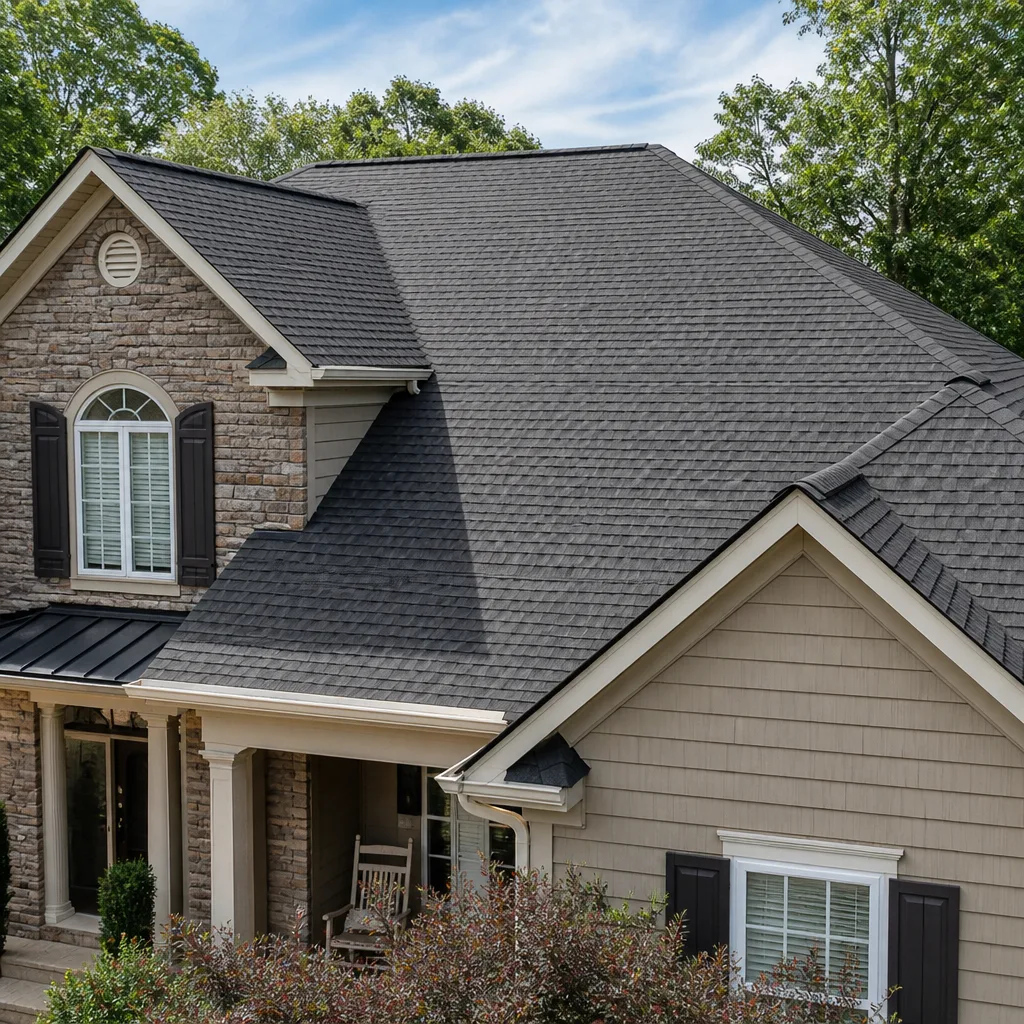
 Architectural shingles
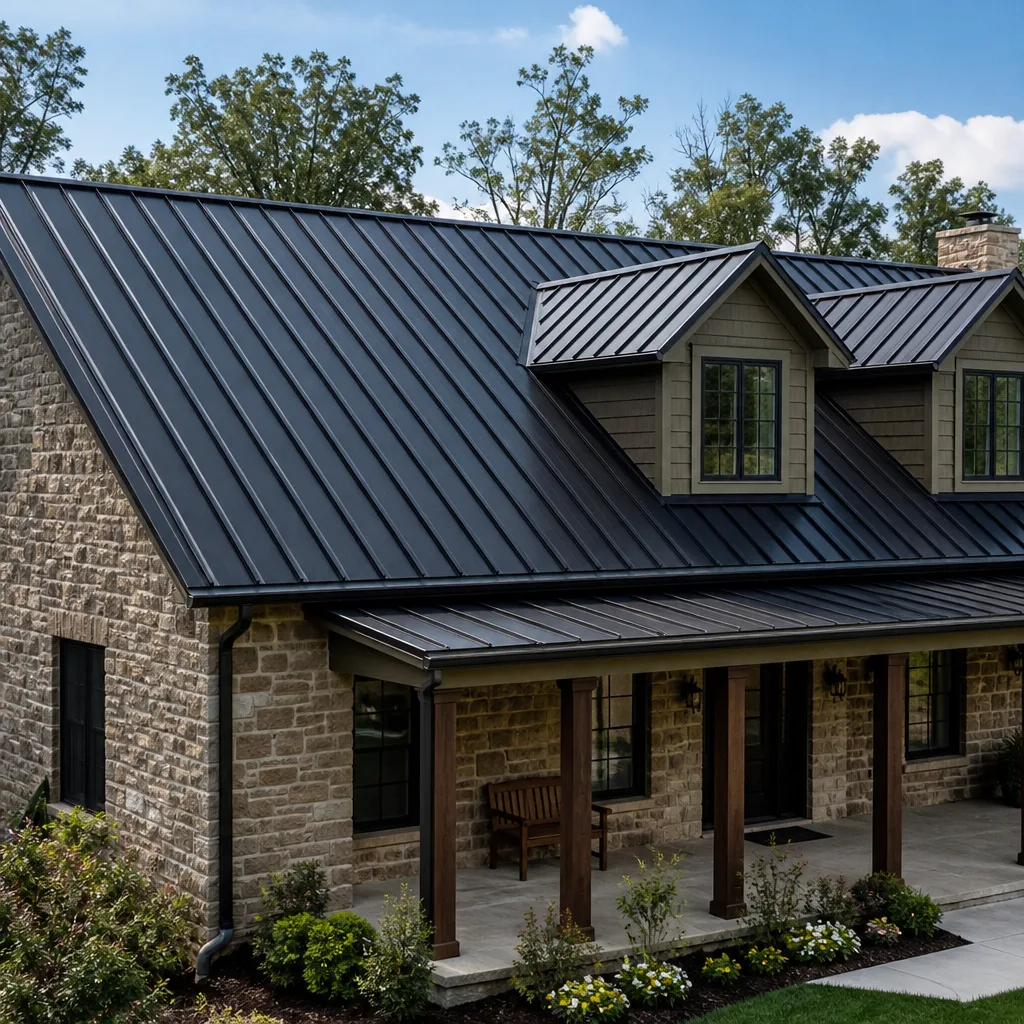 Metal roofing
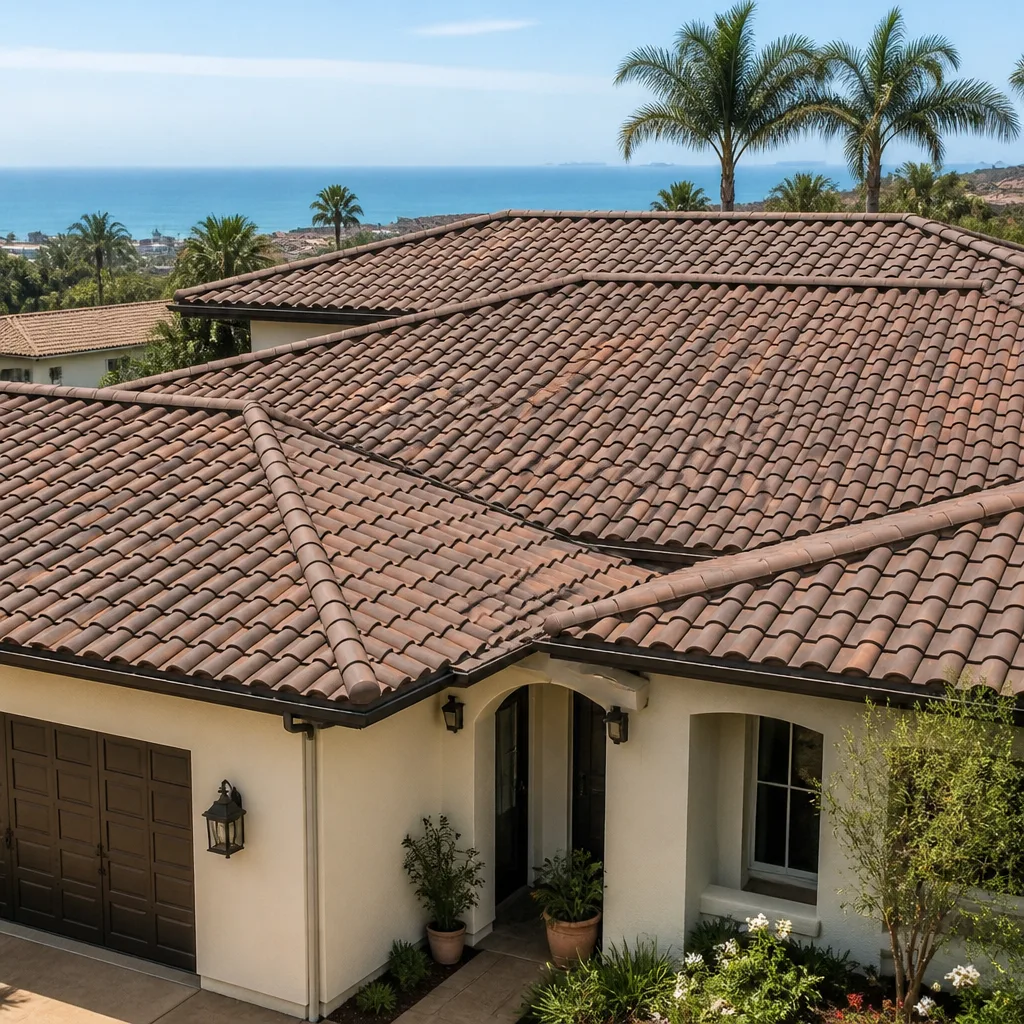 Tile roofing
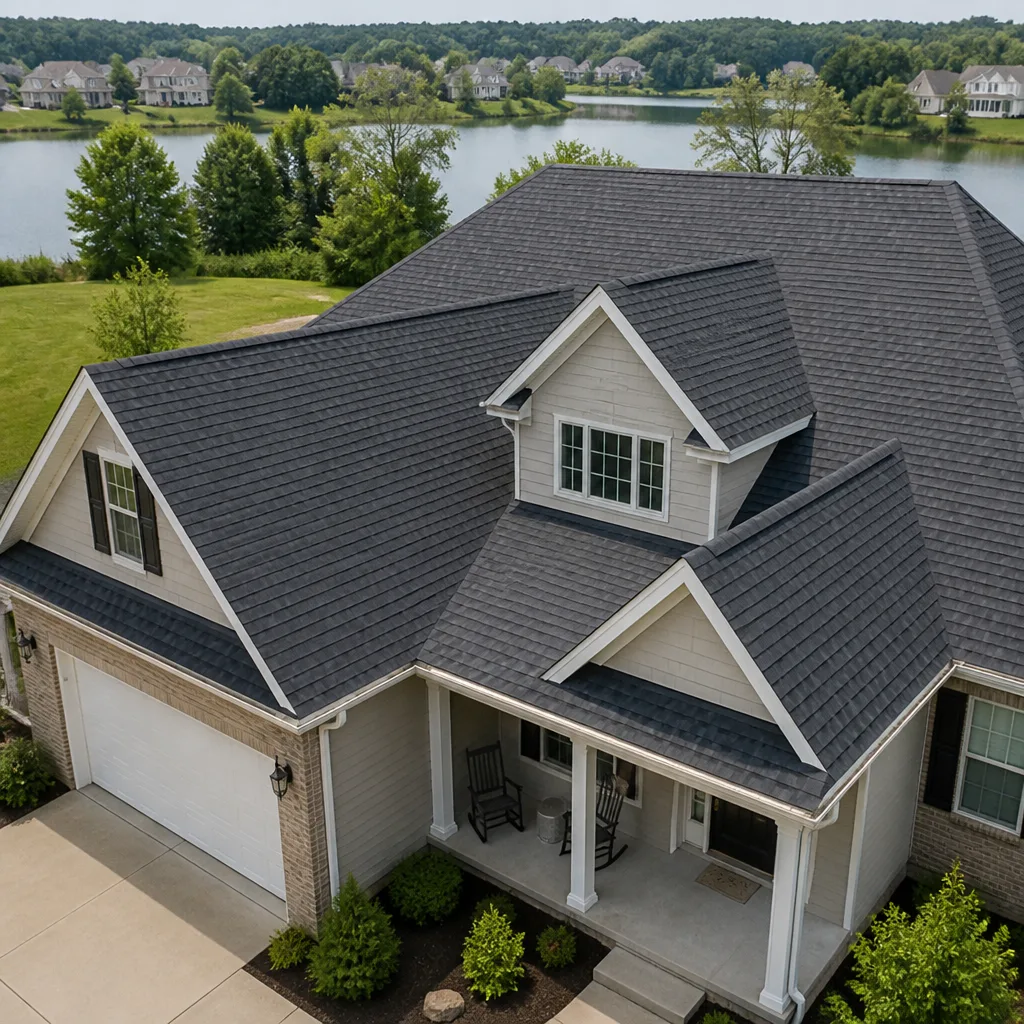 GAF
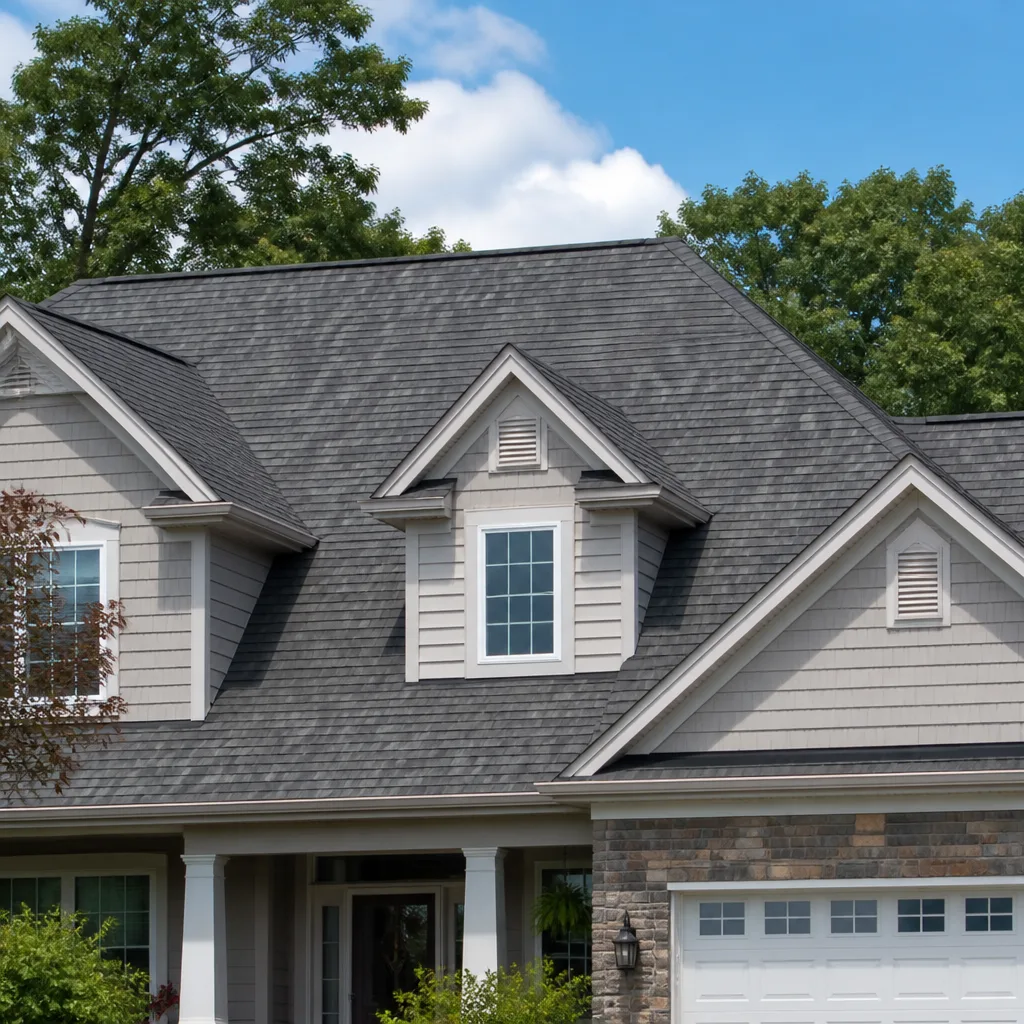 Owens Corning
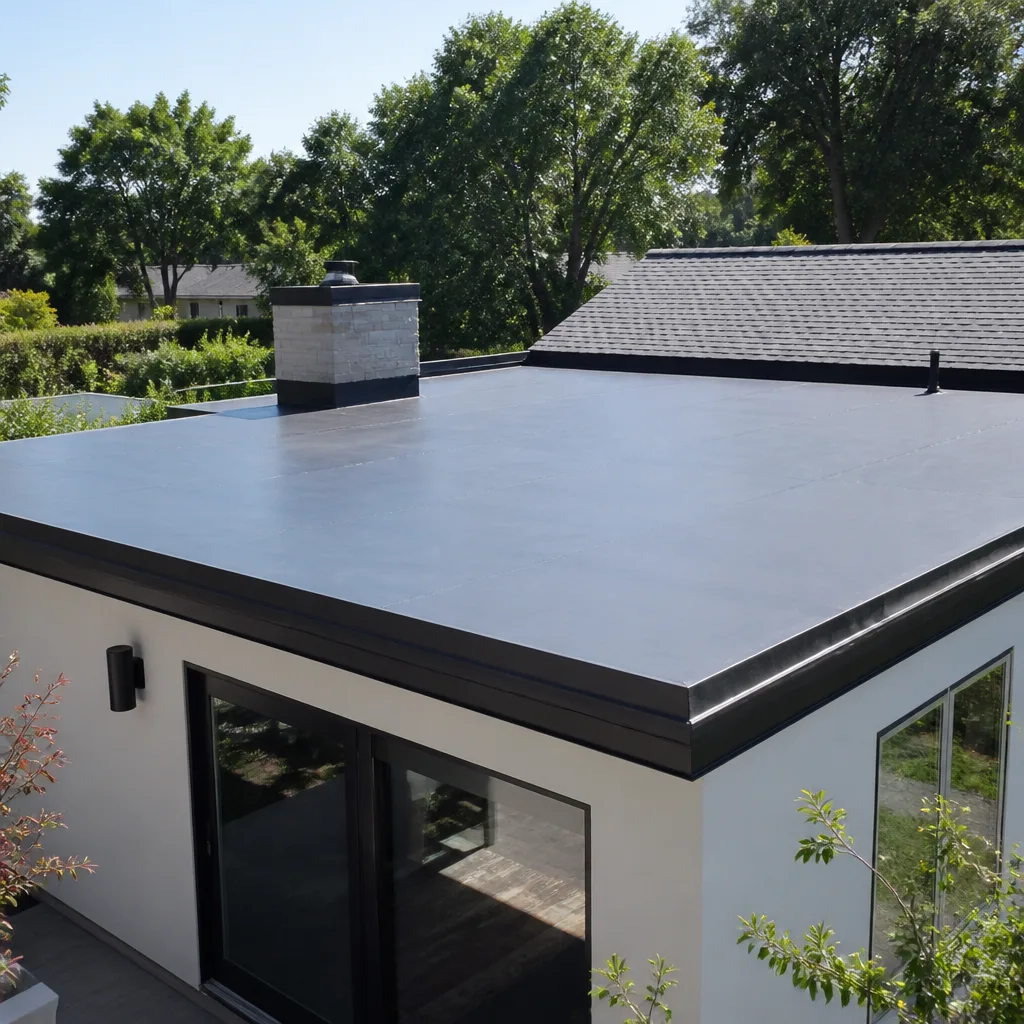 Flat & low-slope
Free roof inspection with deck photos before we talk money - GAF and Owens Corning certified installation
Fast, Reliable Roof Replacement Across Lomita
Roof replacement in Lomita runs between $12,000 and $28,000 for a typical single-family home, depending on the pitch, the decking condition underneath, and whether you’re replacing tile like-for-like or switching materials. Most replacements we handle in the 90717 ZIP take four to seven working days once tear-off begins. If you’re seeing rust streaks below your tile edges, damp spots on the garage ceiling, or flashing that’s lifting at the low-pitch rear addition, call us at (866) 361-0798 for a free estimate. We’ve worked enough roofs between Lomita Boulevard and the Torrance line to know what this marine layer does to a house over decades.
Key Takeaways
- Lomita’s salt air and fog-wet mornings corrode fasteners and flashing years before shingle or tile surfaces show wear.
- Most replacement decisions here are driven by hardware corrosion and decking rot, not sun damage.
- Coastal-spec hardware costs more upfront and saves thousands within a decade.
- Free estimates include an on-roof inspection, not a drive-by quote.
Why Ridge Cap Roof Repair Is Lomita’s Preferred Roof Replacement Company
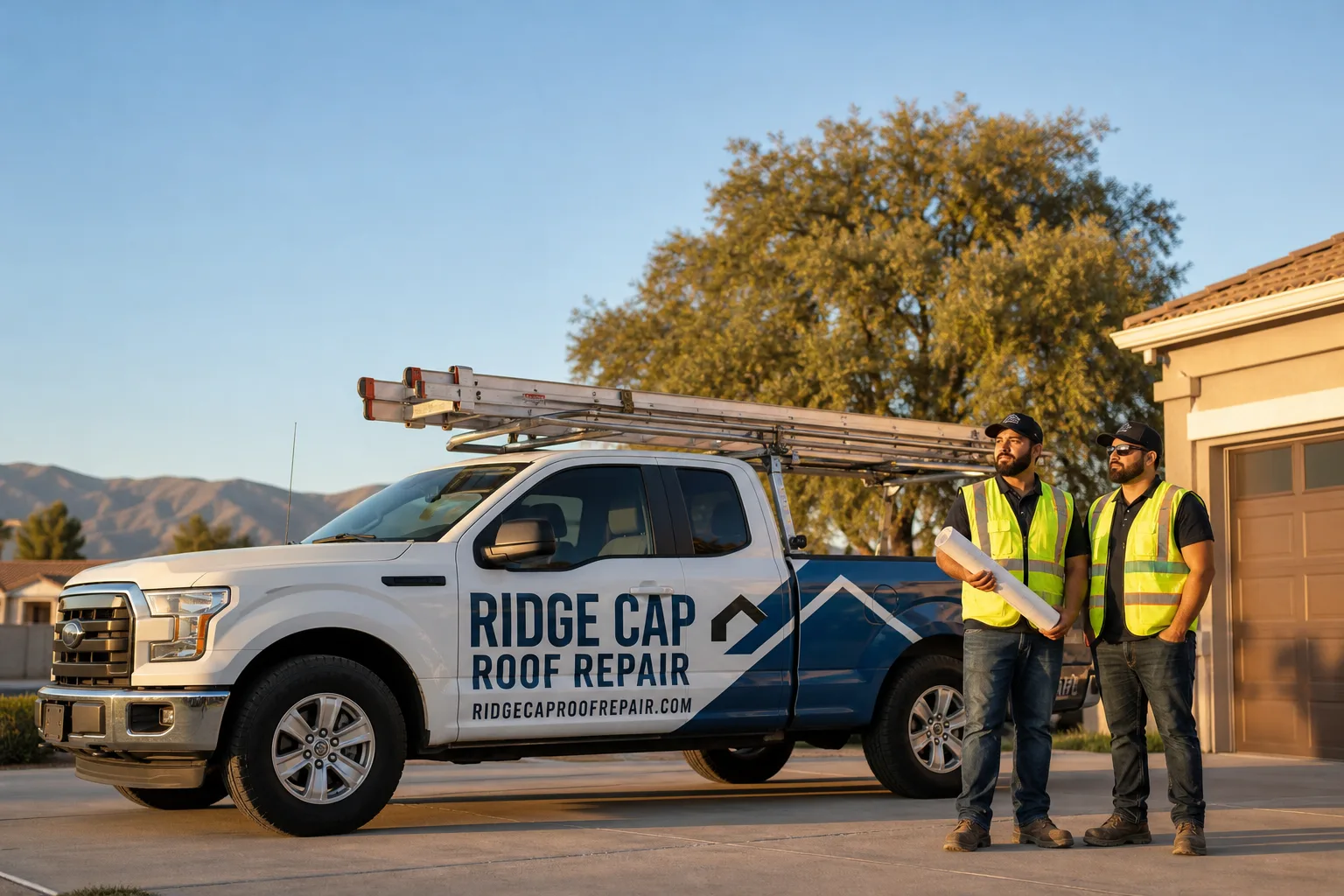
We earn our work in Lomita one roof at a time, and most of our calls here start the same way: a homeowner saw something that didn’t look right and wants an honest read before any money changes hands. Our team works from inspection through replacement under one crew, so the person who finds the rusted fastener is the same person who specs the replacement hardware. There’s no hand-off, no second company involved, and no incentive to oversell. Noel Cardenas built the company around a repair-first order of thinking: replace when the roof demands it, not when a salesman does.
Lomita’s housing stock is specific. We’re not looking at the broad sun-baked roofs of the Inland Empire here. We’re looking at 1940s to 1970s tract homes with shallow pitches, clay or concrete tile over aging skip sheathing, torch-down sections over garages, and flashing that has been breathing salt air for fifty years. That’s the roof our crews know. We stock marine-grade flashing, hot-dip galvanized fasteners, and low-slope materials in our local yard so Lomita jobs don’t stall waiting on hardware that a stock inland supplier won’t carry.
We inspect before we recommend. That’s not a slogan. On a Lomita roof, the visible surface is usually the last thing to fail. The problems are underneath: decking softened by trapped moisture, fasteners rusted thin, valleys that pool overnight condensation. If the decking is sound and the tile can be reset, we’ll tell you that. If the underlayment is gone and the low-slope sections are failing, we’ll show you exactly what we found before we write a number.
Styles & brands we work with
New Roof Installation in Lomita
New Roof Installation in Lomita almost always means tearing down to the decking and starting clean. On the older tracts around the 90717 ZIP, that’s often where the surprises live. We remove the existing tile or shingle, inspect every inch of decking, and only then decide what gets reused. On mid-century Lomita homes, it’s common to find the rear addition and garage sections in worse shape than the main house because those low-slope areas never fully dry during the marine-layer months.
A new roof in Lomita runs a different spec than the same job in Torrance or Redondo Beach, not because the square footage changes, but because the hardware does. We specify hot-dip galvanized or stainless fasteners, marine-grade flashing at every penetration and valley, and ice-and-water shield through low-slope transitions that see fog condensation even on rainless nights. The material list changes by roof section: a 4:12 main pitch takes certain shingles differently than a 1.5:12 garage addition. We match the product to the slope, not the other way around.
Full Tear-Off and Decking Assessment
Every new installation starts with exposing what’s underneath. On Lomita roofs that held original clay tile since the 1960s, the underlayment is often brittle and the decking edges softened where fog moisture wicked underneath. We replace any decking that’s delaminated or soft and document it in the line-item estimate before work begins.
Material Selection for Coastal Exposure
With seven manufacturers to draw from, we’re not locked into one spec sheet. On a Lomita job, we might recommend a CertainTeed or Atlas architectural shingle on the main roof, a self-adhered low-slope system on the garage, and a full ice-and-water underlayment beneath it all. The goal is a roof that sheds what little rain falls and doesn’t hold the moisture that never stops arriving in the air.
Reroofing in Lomita
Reroofing in Lomita is the right call when the structural roof deck is sound but the roofing system above it has reached the end of its service life. On the 1940s through 1970s single-family homes that make up most of the city, that can mean replacing a tired built-up roof over the garage, swapping failed underlayment beneath salvageable tile, or removing two layers of old composition shingle and starting fresh. The key question is always what’s happening underneath, not what the surface looks like from the curb.
A reroof in Lomita typically lands between $9,000 and $18,000 when the existing deck can be retained. What moves the number is the decking condition, the number of low-slope sections, and whether the existing tile gets reset or replaced. We use Owens Corning and IKO systems where they fit the pitch and the exposure, and we never quote a reroof without first looking at the flashing condition on the rear addition and garage. That’s where Lomita’s fog corrosion shows up first.
Tile Reset with New Underlayment
When the original clay tile is still structurally sound, we pull it, replace the underlayment, and reset the tile with new fasteners. On Lomita homes, the tile often has decades of life left while the felt underneath is crumbling and the fasteners have rusted to nothing. Resetting extends the life of the roof without the cost of full tile replacement.
Low-Slope Section Replacement
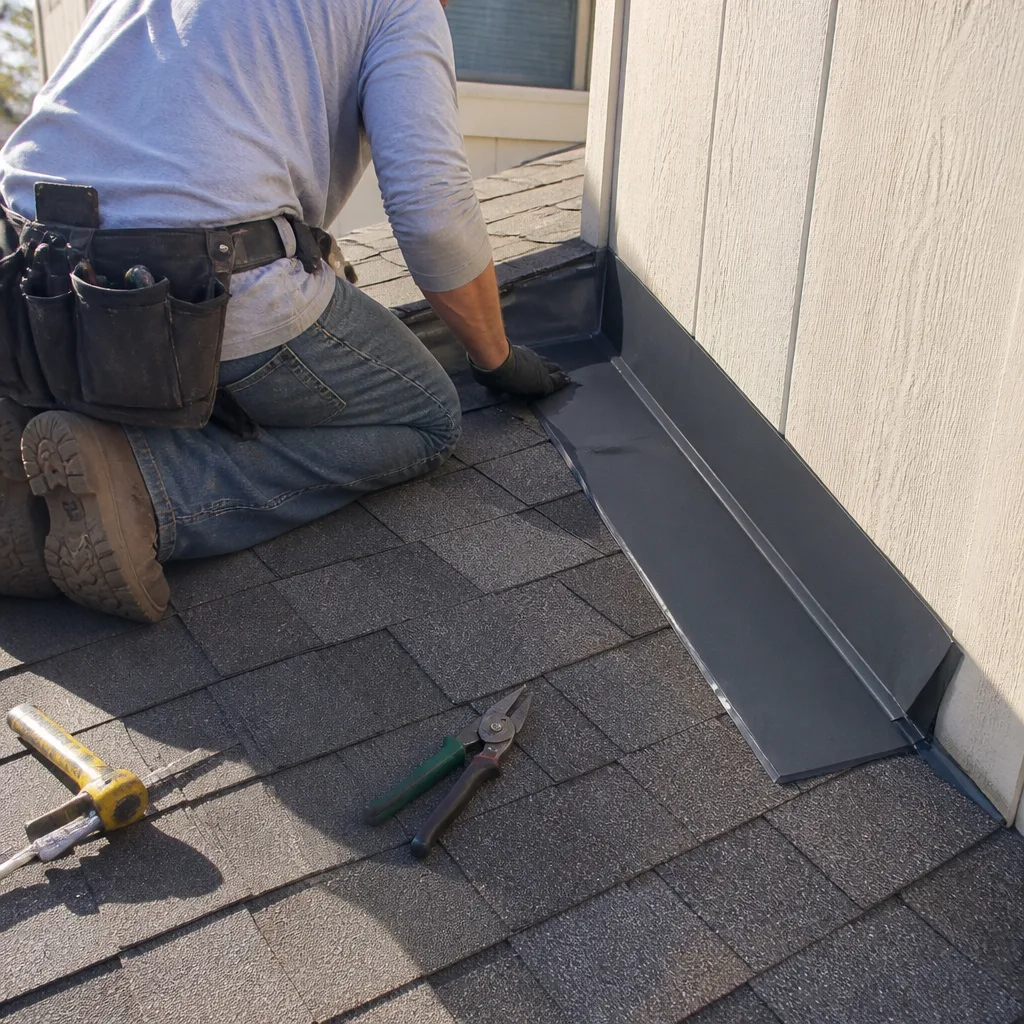
The built-up or torch-down sections over garages and rear additions are the most frequent repair or replacement point on Lomita homes. We strip the old surface, check the decking for moisture damage, and install a self-adhered or modified bitumen system with sealed joints and marine-grade edge metal. These sections don’t get the attention the main roof does, but they’re where Lomita’s damp air does the most damage.
Trusted Brands We Service in Lomita
We install and service roofing systems from seven manufacturers, which matters when a job calls for a specific material-to-pitch or material-to-budget match. GAF, CertainTeed, Owens Corning, IKO, Atlas, Tamko, and Boral are all in our product knowledge base, and we spec each Lomita roof based on the roof’s own demands rather than whatever is easiest to stock. On a single Lomita property, we might set a GAF architectural shingle on the main pitch and an Atlas self-adhered system on the low-slope garage, with the fasteners and flashing rated for salt exposure throughout. Seven manufacturers. One crew.
Because we keep marine-grade flashing and galvanized fasteners on hand for South Bay jobs, Lomita customers aren’t waiting on special orders when we find rusted hardware mid-installation. The parts are already accounted for in the bid.
Common Roof Replacement Problems We See in Lomita Homes
- Rusted flashing on low-pitch rear additions: The garage and back-of-house sections on 1940s-1970s tract homes were flashed decades ago and never touched since. Salt air and overnight fog have been working on that metal the whole time. By the time you see a leak, the flashing edge is often rusted through.
- Decking rot under original tile: Moisture trapped beneath clay or concrete tile doesn’t dry out in Lomita’s marine layer the way it does inland. We’ve pulled tile on homes where the surface looked perfect and found decking soft enough to push a screwdriver through.
- Pooling water on shallow-pitch roofs: Lomita doesn’t get much rain, but the rain that falls can sit on shallow-pitch sections for days. Decades-old flashing at valleys and penetrations fails first exactly where the water sits. Fog condensation adds to the load even when the sky looks clear.
- Corroded fasteners before surface wear: The clearest sign a Lomita roof is nearing replacement isn’t a missing shingle. It’s rust staining at lap lines, lifted tile edges, and fasteners that snap when tested. The hardware fails from salt exposure before the roofing material itself gives up.
See the difference
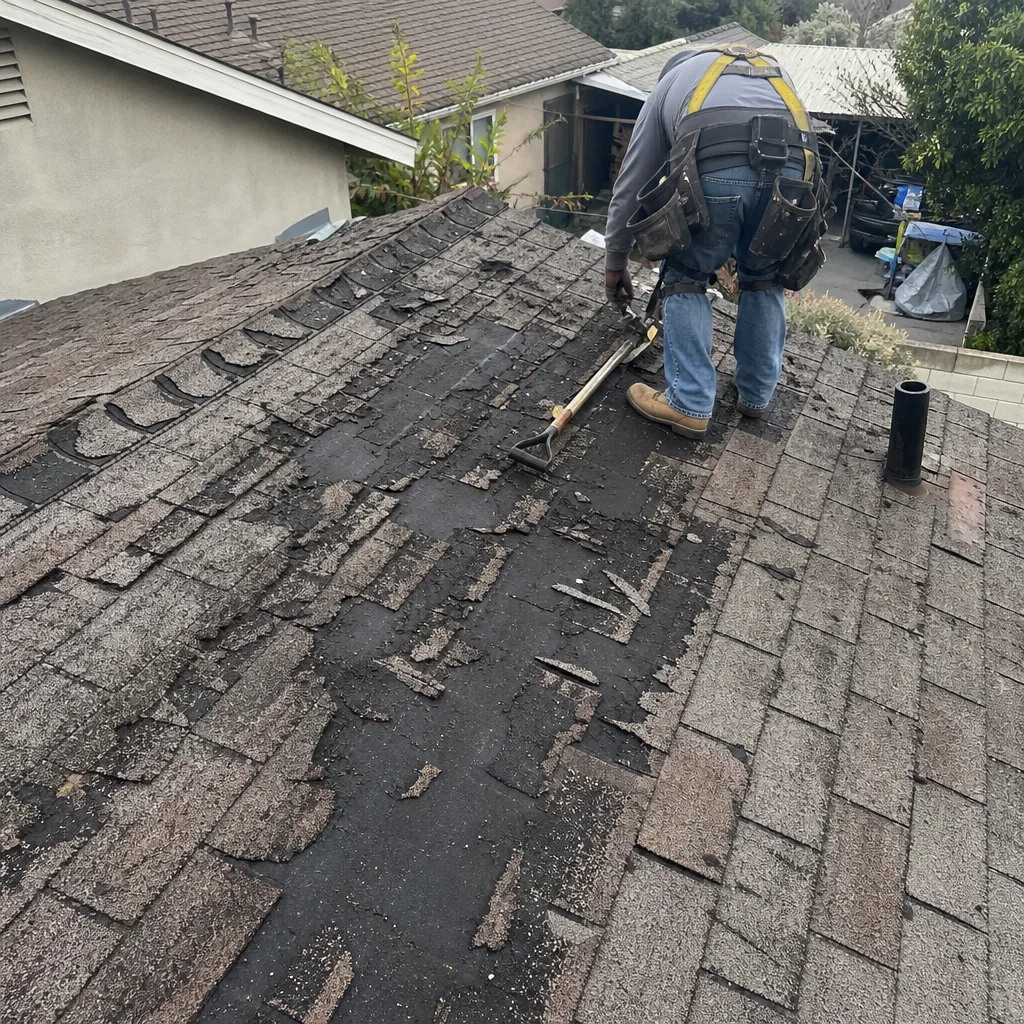 Before
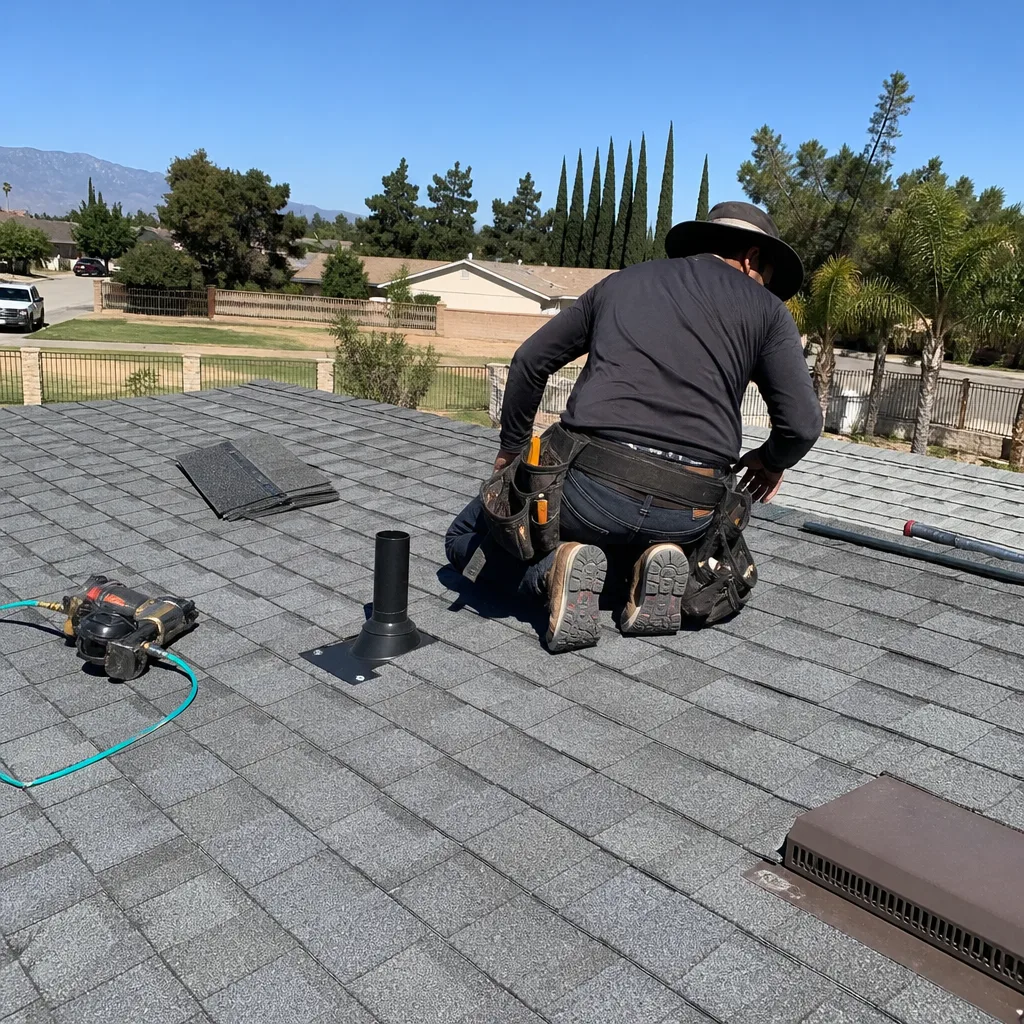 After
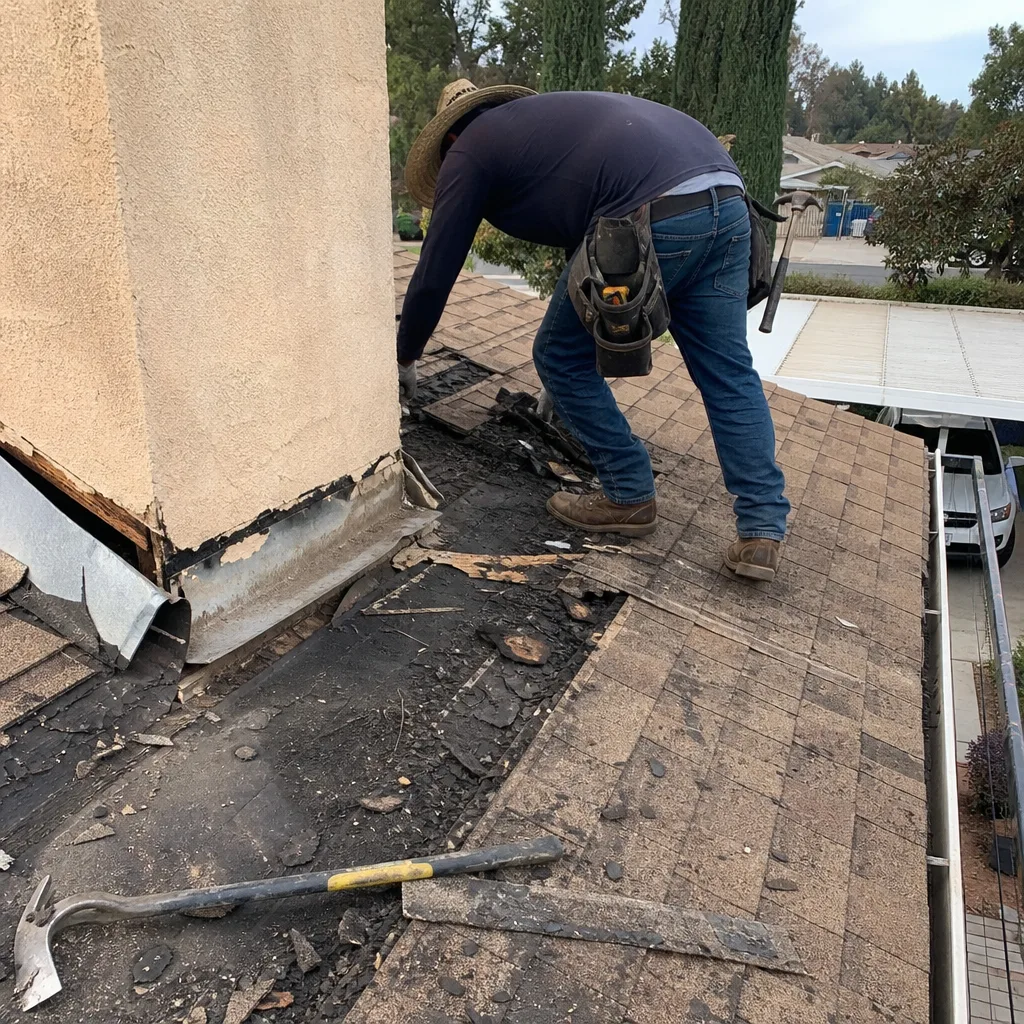 Before
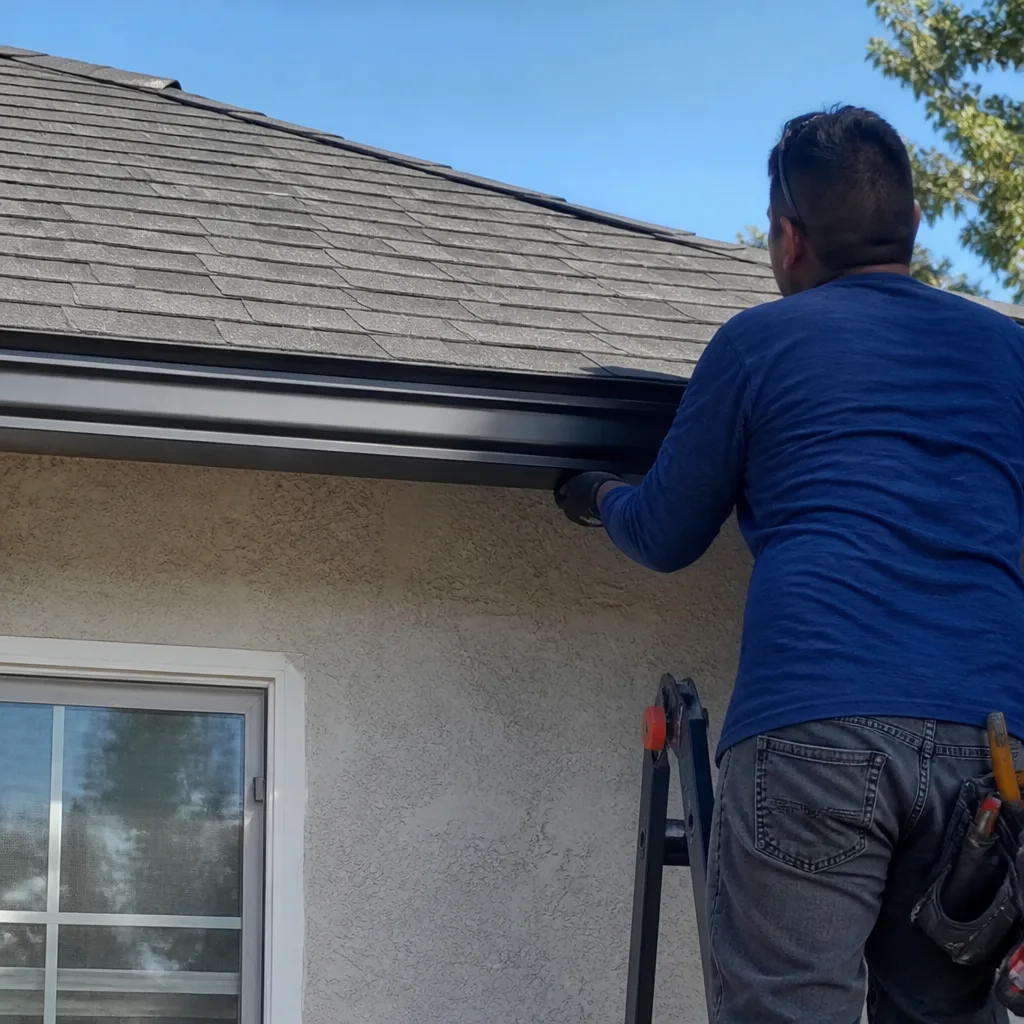 After
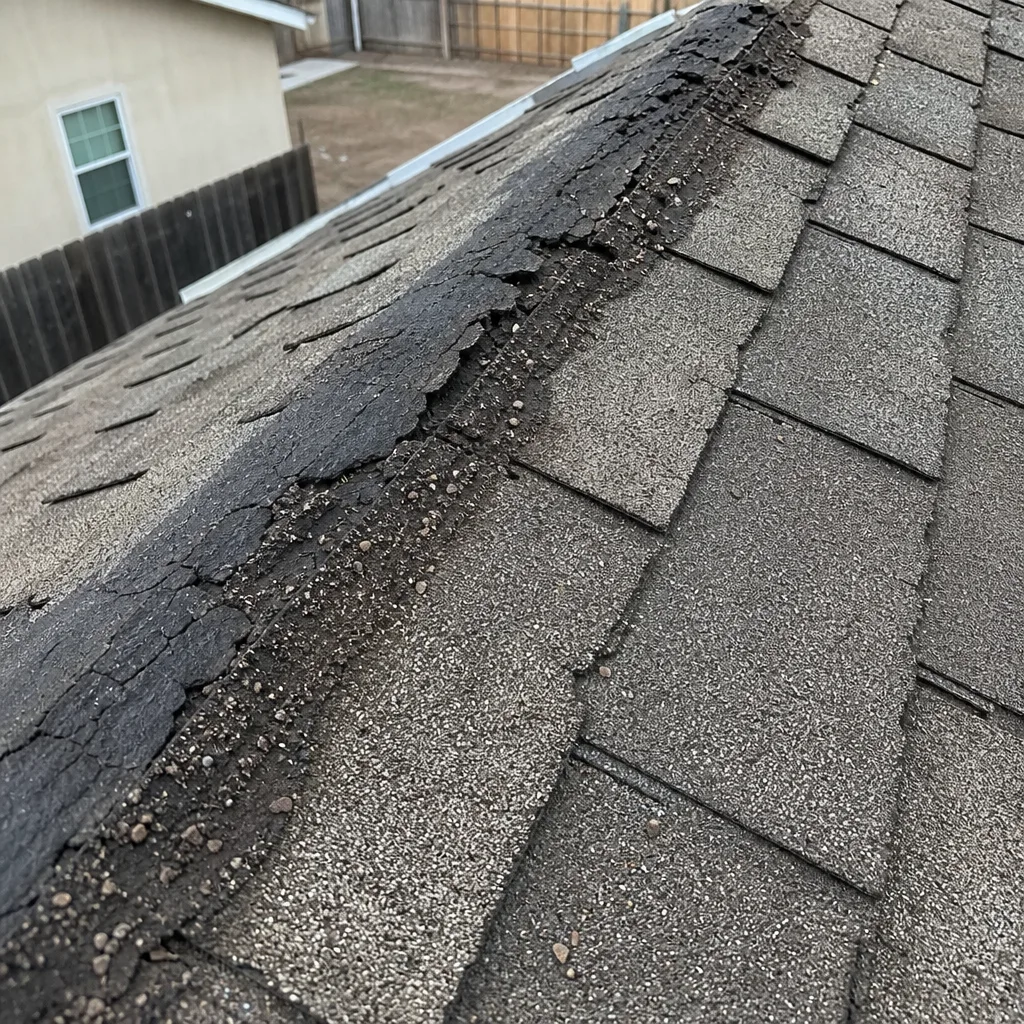 Before
 After
Pricing for Roof Replacement in Lomita, CA
Full roof replacement in Lomita generally runs $12,000 to $28,000 for a standard single-family home. Reroofing over sound decking lands between $9,000 and $18,000. What separates a Lomita bid from an inland LA bid of $8,000 on the same square footage is the hardware spec: hot-dip galvanized or stainless fasteners, marine-grade flashing at every penetration, and ice-and-water shield through the low-slope transitions. That coastal-spec upgrade typically adds $1,500 to $3,500 to the bid, and it’s the difference between a roof that lasts fifteen years and one that starts leaking in seven. The cheap spec costs more within a decade. We write line-item estimates so you can see exactly where the money goes, and the estimate is free. Call (866) 361-0798 to schedule one.
We Also Serve Cities Near Lomita
Our crews cover the South Bay consistently, including Roof Replacement work in Torrance, Rolling Hills Estates, West Carson, and Manhattan Beach. If you’re in one of those cities and dealing with the same marine-layer corrosion we see across Lomita, the same team handles the job. Roof Replacement in Lomita is our local focus, but the expertise travels.
Serving Lomita, CA — Our Local Coverage Area
We’re based in the Lomita area and know this community well. Use the map below to see our service coverage — if you’re nearby, we can almost certainly help.
FAQs About Roof Replacement in Lomita
Because the hardware spec has to be different. Lomita sits in a marine-layer belt where overnight fog and onshore salt air corrode standard fasteners and flashing years earlier than they would in a dry inland climate. We specify hot-dip galvanized or stainless fasteners and marine-grade flashing on every replacement, and the materials for that coastal spec add roughly $1,500 to $3,500 to the bid. Skip that upgrade and the roof starts failing at the hardware level within a decade, long before the shingle warranty runs out. Call (866) 361-0798 and we’ll walk you through the line items yourself.
It depends on what we find when the tile comes off, and in Lomita the odds of soft decking are higher than inland. The marine layer traps moisture under tile that never fully dries, and we regularly find decking edges softened or delaminated on homes where the tile still looks fine from the ground. We won’t know until the roof is opened. What we will do is show you what we find and give you a written assessment before replacing any decking you didn’t approve.
We specify hot-dip galvanized fasteners as the minimum and stainless steel at valleys, penetrations, and any place where dissimilar metals meet. Flashing gets upgraded to marine-grade stock, and low-slope sections get sealed edge metal rather than exposed cut edges. These are the same details we’d use on a beachfront roof in Manhattan Beach or the Palos Verdes coast, because the salt exposure in Lomita’s marine layer is real even two miles inland.
We treat them as their own roofing system, not an afterthought to the main pitch. On Lomita’s 1940s-1970s homes, the garage and rear addition roofs are often built at pitches too shallow for shingles to drain properly, so we spec self-adhered or modified bitumen systems with sealed joints and positive drainage checks. The original torch-down or built-up sections on these homes are the first thing we inspect on every estimate, and they’re where we find the most rusted flashing in the entire city.
It affects the roof, honestly, and any roofer who works the South Bay will tell you the same. The marine layer keeps Lomita roofs damp into the late morning for much of the year, and that persistent moisture is what corrodes fasteners and flashing, feeds moss and algae on shaded slopes, and keeps low-slope sections from ever fully drying. A new roof installed with inland-spec hardware will shed water fine. What it won’t do is hold up against years of salt-laden fog working on the metal underneath the surface. That’s not marketing. It’s why we specify the hardware we do.
Ready for a Roof Replacement in Lomita? Let’s Talk.
Call us at (866) 361-0798 to schedule your free roof replacement estimate in Lomita. We’ll inspect the roof ourselves, show you what we find, and give you a written line-item quote with no pressure and no upsell. Noel Cardenas leads the team, and the same crew that inspects your roof is the crew that replaces it. If your Lomita roof is showing rust streaks, lifting tile, or damp spots on the garage ceiling, the sooner we look at it, the cheaper the fix tends to be.
Written by Noel Cardenas, Owner at Ridge Cap Roof Repair, serving Lomita and the South Bay with inspection, repair, and replacement from the ridge cap down.