Last updated October 30, 2026
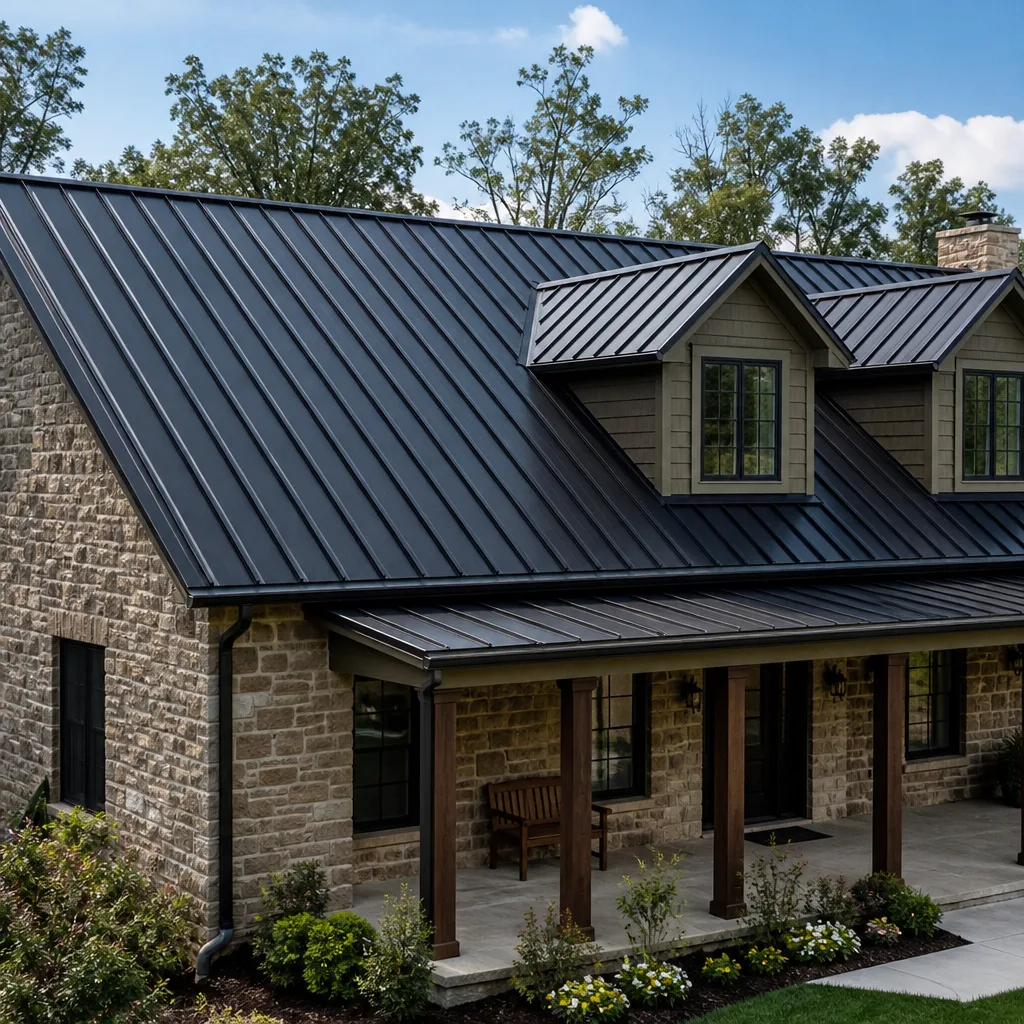 Metal roofing
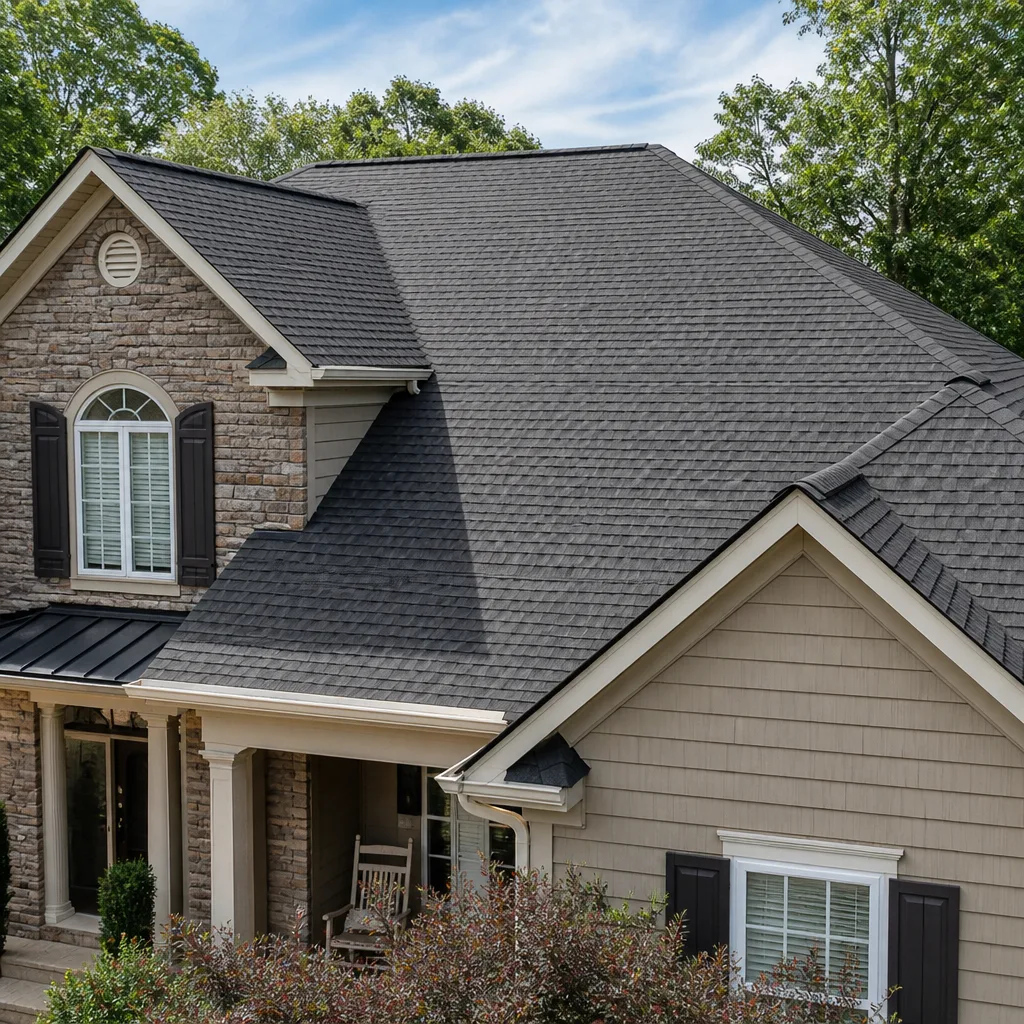 Architectural shingles
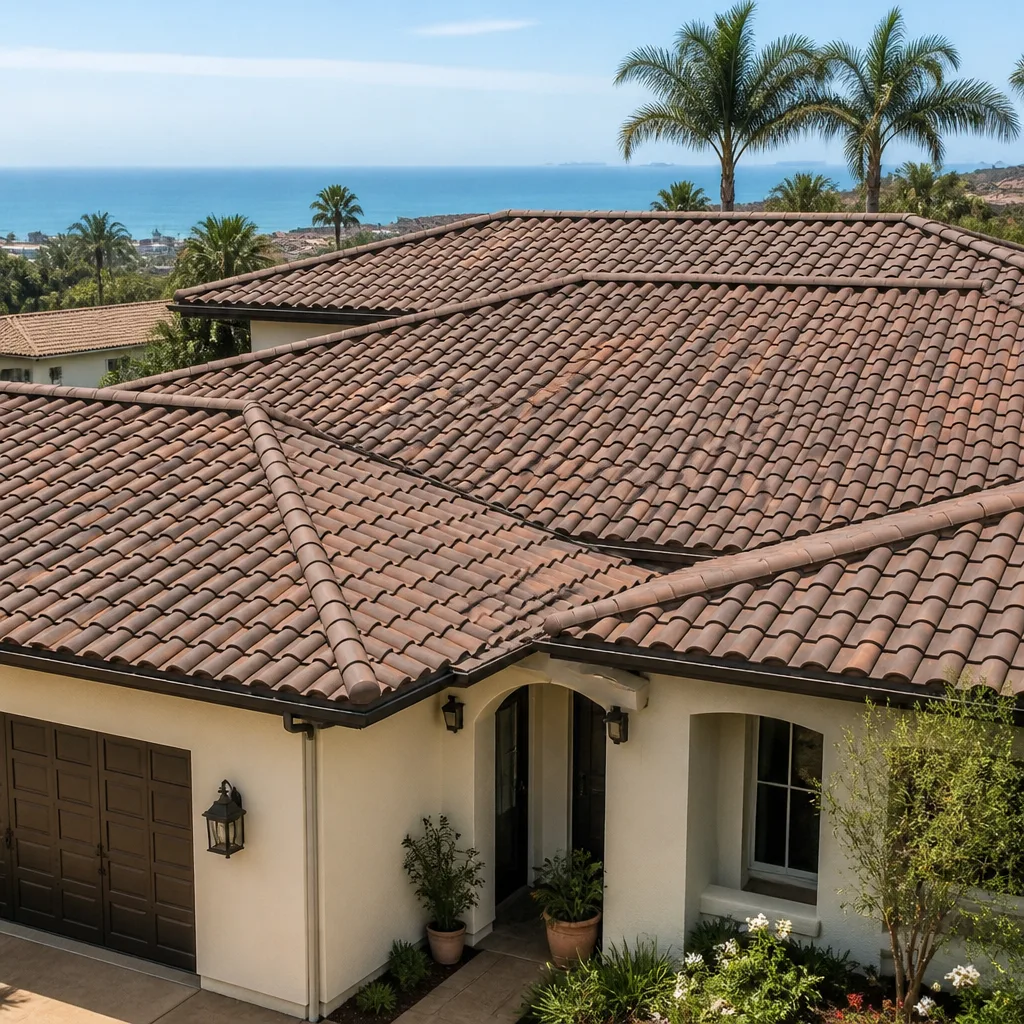 Tile roofing
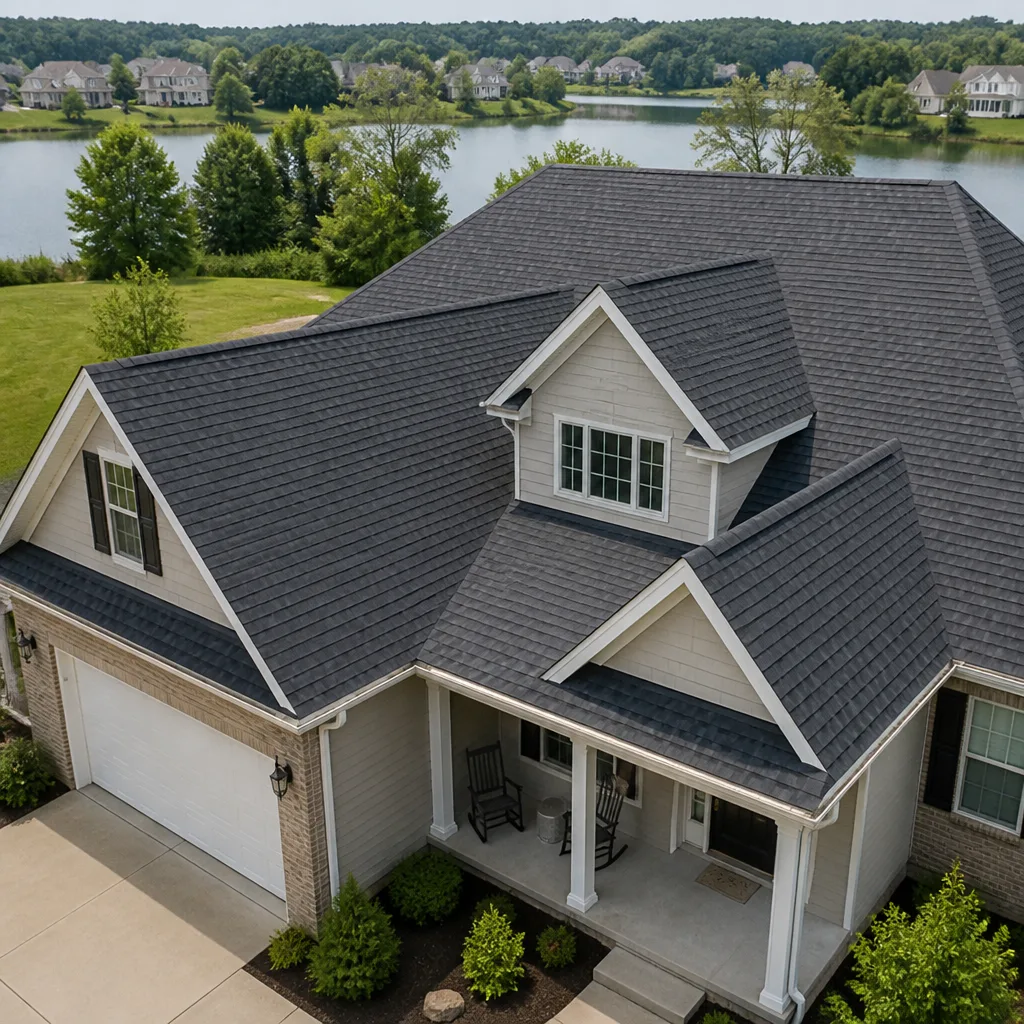 GAF
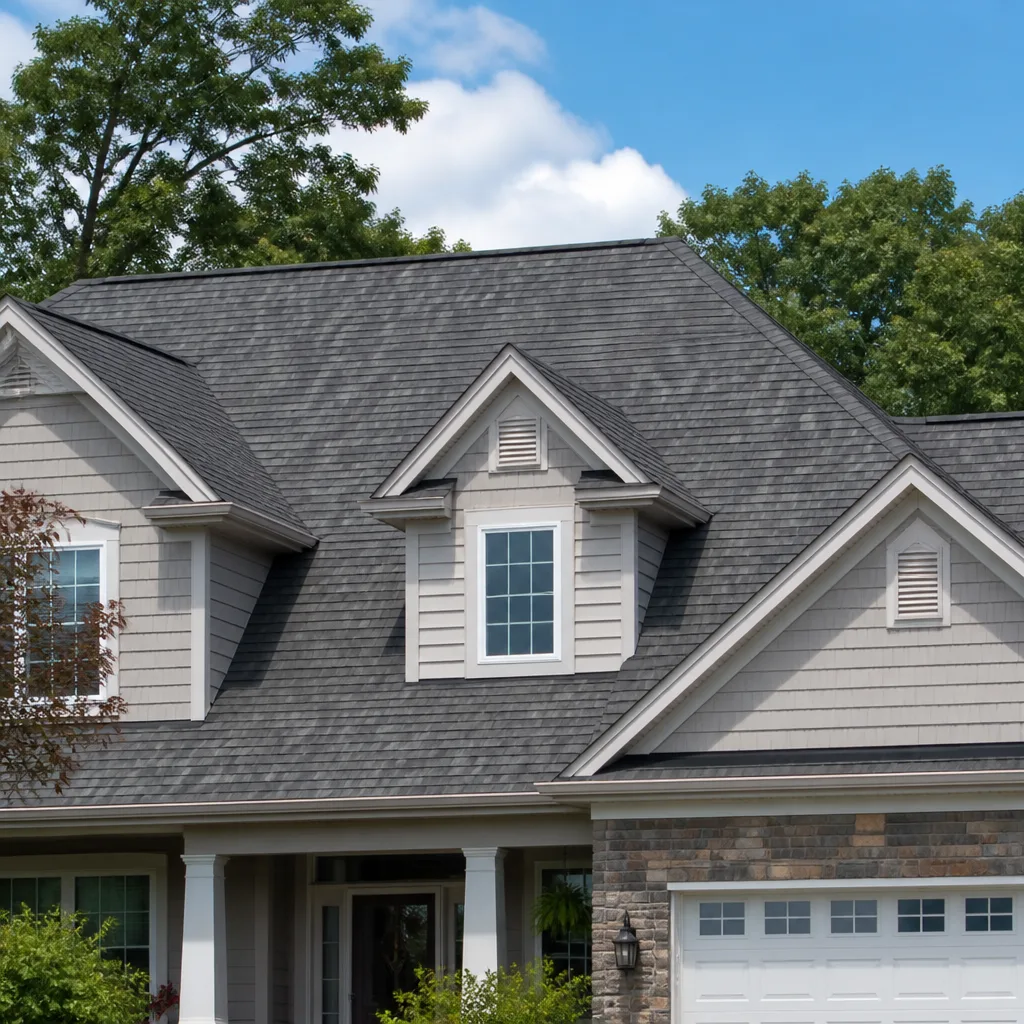 Owens Corning
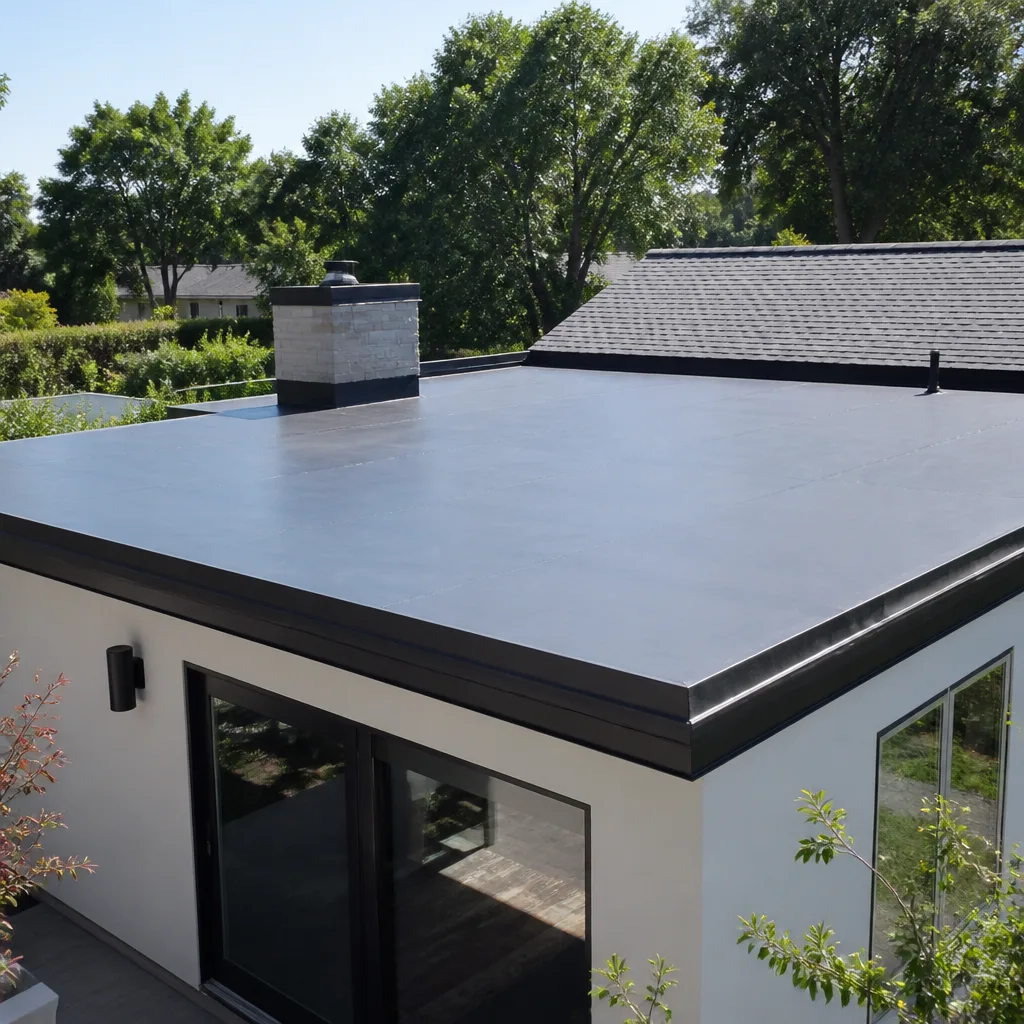 Flat & low-slope
Free roof inspection with deck photos before we talk money - GAF and Owens Corning certified installation
Choosing the Right Roofing Brand: A Buyer’s Guide for San Bernardino
The roofing brand with the longest warranty isn’t automatically the best choice for San Bernardino. Several leading manufacturers write exclusions into their “lifetime” warranties that carve out granule loss from “normal weathering,” and granule loss is exactly how Inland Empire heat breaks down asphalt shingles. This guide cuts through the marketing language and evaluates major roofing brands against the four performance factors that actually determine roof lifespan in San Bernardino: UV resistance, wind uplift rating, fire classification, and Title 24 cool-roof compliance. For a deeper dive, see The Complete Guide to Roofing in San Bernardino.
Quick Answer
The best roofing brand for a San Bernardino home depends on your roof’s pitch, sun exposure, and whether you need a cool-roof rated product for permit efficiency. Owens Corning and CertainTeed currently offer the strongest combination of high wind ratings (110 – 130 mph), Class A fire ratings, and pre-certified Title 24 options across their architectural shingle lines, with GAF close behind for homes where cool-roof requirements don’t apply. Boral’s tile and steel products outperform asphalt in UV resistance and are worth evaluating if your home was originally built with tile or if you want a 50-plus-year material.
Styles & brands we work with
Table of Contents
- What Your Roofing Warranty Actually Excludes in San Bernardino
- Wind Ratings That Matter for Santa Ana Conditions
- Title 24 Cool-Roof Ratings and Permit Reality
- How Contractor Certification Changes Your Warranty
- Material Availability and the Repair Problem Nobody Talks About
- Brand-by-Brand Breakdown for San Bernardino Homes
- What You’ll Actually Pay by Material Class
- Common Mistakes to Avoid
- When to Call a Professional
- Frequently Asked Questions
What Your Roofing Warranty Actually Excludes in San Bernardino
Most roofing warranties are not the lifetime guarantees the marketing suggests. They are prorated against a defined coverage period, and the exclusions list is where the real terms live. In a high-UV climate like San Bernardino’s, the exclusion that matters most is granule loss. GAF’s Golden Pledge and CertainTeed’s SureStart both cover manufacturing defects, but language varies on when granule shedding crosses from “normal weathering” into a covered defect. Owens Corning’s Total Protection Roofing System is explicit about the conditions under which granule loss triggers coverage, which is why we read warranty documents line by line before recommending a product to a San Bernardino homeowner. For more on what to look for, read our The Complete Roof Repair Guide for San Bernardino Homeowners.
Here are the three warranty clauses you need to check, in order of impact for this climate:
- Granule loss thresholds. Most manufacturers define “excessive” granule loss by weight per square or visual inspection criteria. If the threshold is vague, it will be difficult to file a successful claim after a decade of San Bernardino sun.
- Deck temperature limits. Some warranties are voided if attic ventilation does not keep deck temperatures below a stated maximum. A poorly ventilated roof in San Bernardino can hit deck temperatures above 160°F in July, pushing right up against those limits.
- Ventilation requirements. The warranty requires a specific ratio of intake to exhaust ventilation, typically 1:150 or 1:300. If your existing soffit vents are undersized or blocked, the manufacturer can deny a claim regardless of the shingle’s actual performance.
We tell every homeowner we work with that a warranty is only as good as the installation and the ventilation behind it. The highest-tier product installed over a poorly ventilated attic in a San Bernardino summer is a claim waiting to be denied. From the ridge cap down, the system works as a unit or it doesn’t work at all.
Wind Ratings That Matter for Santa Ana Conditions
San Bernardino sits directly in the path of Santa Ana wind events that regularly produce gusts between 50 and 70 mph, with the strongest corridor gusts pushing past 90 mph in the foothill neighborhoods north of the 210. The headline “up to 130 mph” wind rating on a shingle package sounds adequate, but it often requires a full sealing system: specific underlayment, a certain number of nails per shingle, and often an upgraded starter strip or ridge cap installation. Without those three components, the “up to 130 mph” shingle is only rated to the standard 60 or 80 mph.
Here is how the wind ratings break down across the brands we install most often in San Bernardino:
- Owens Corning Duration and Duration Flex: Rated to 130 mph with the standard four-nail installation when combined with Owens Corning’s specified underlayment and starter products. Duration Flex carries a 50-year wind warranty that is less common in the industry.
- CertainTeed Landmark and NorthGate: Rated to 110 mph with standard installation, upgradable to 130 mph with CertainTeed’s Integrity Roof System components. NorthGate is specifically engineered for impact and wind resistance.
- GAF Timberline HDZ and UHDZ: Rated to 130 mph with GAF’s LayerLock technology and the full GAF Roofing System installation, including their required deck protection and starter strip.
- Boral concrete and clay tile: Not governed by the same ASTM shingle standards. Wind performance depends on the attachment method specified by the tile profile and the local building code. In San Bernardino, clay tile installations in high-wind exposure zones require foam or mechanical attachment systems.
What this means practically: a “130 mph rated” shingle installed as a nail-and-go job by a contractor who skips the matching underlayment is not actually a 130 mph roof. The rating belongs to a system, not a shingle. When we inspect a roof in San Bernardino after a wind event, the failure point is almost always a nailing pattern that missed the manufacturer’s common bond area or a missing starter course, not the shingle itself.
Title 24 Cool-Roof Ratings and Permit Reality
California’s Title 24 energy code has required cool-roof compliance for most residential re-roofing projects in San Bernardino County since 2014. The practical effect: if your roof is being replaced, the city or county building department will ask for a product that meets the California Energy Commission’s cool-roof rating requirements. A shingle that doesn’t carry a pre-certified rating means extra documentation, a possible delay, and occasionally a requirement to pay for an independent test or alternative compliance pathway.
Here is what the major manufacturers offer in pre-certified Title 24 compliant products:
- CertainTeed: Their Landmark Solaris line is the most direct answer. It carries a CRRC (Cool Roof Rating Council) listed solar reflectance index that meets Title 24 requirements, with a wide range of color options that don’t look like “cool roof” beige.
- Owens Corning: Duration Premium Cool shingles are CRRC-listed and meet Title 24 prescriptive requirements for steep-slope residential roofs in climate zones 10 and 15, which cover San Bernardino.
- GAF: Timberline Cool Series shingles provide a Title 24 compliant option, though the color selection is narrower than CertainTeed or Owens Corning.
- Boral: Concrete tile products in lighter colors carry CRRC ratings that easily exceed Title 24 minimums. Their steel roofing options, which Boral distributes, also offer strong reflectance values.
There is also a utility rebate angle here. Southern California Edison and SoCalGas have both offered rebates for cool-roof installations in specific program years, and while the funding is not always available, a pre-certified product keeps you eligible when it is. Permit approval speed in San Bernardino is directly tied to whether the product documentation is already in the state’s database. If it is, the counter approval is routine. If it isn’t, the project can stall for weeks.
How Contractor Certification Changes Your Warranty
Every major manufacturer operates a contractor certification program, and the tier your contractor holds changes the warranty you receive. This is not a trivial distinction. A “lifetime” shingle installed by a non-certified contractor typically carries only the manufacturer’s standard material warranty, which is prorated and does not cover labor. The same shingle installed by a certified contractor at the top program tier typically adds a non-prorated material period and an extended workmanship warranty through the manufacturer.
- GAF Master Elite: The top tier, requiring ongoing training, specific insurance levels, and quality audits. Homeowners get the Golden Pledge warranty, which includes 25 or 30 years of non-prorated material coverage and up to 25 years of workmanship coverage.
- CertainTeed SELECT ShingleMaster: Similar training and certification requirements. The SELECT warranty extends to 50 years of material coverage with a non-prorated period, plus a workmanship period backed by CertainTeed.
- Owens Corning Roofing Platinum Preferred: Their top tier carries a lifetime limited material warranty with a 50-year non-prorated period and a 25-to-50 year workmanship warranty depending on the product installed.
- Atlas Pro+ and IKO Craftsman Premier: Both offer extended warranty programs, but their San Bernardino contractor networks are thinner, which we’ll address in the availability section.
The honest point here is that these programs are partly marketing. They exist to route work to preferred contractors. But the extended workmanship warranty they attach is a real asset for a San Bernardino homeowner, because it stays with the roof even if the original installer goes out of business. That is not something a contractor’s personal workmanship guarantee does. When we recommend a brand for your roof, the certification tier we hold with that manufacturer is part of the discussion, because it directly affects your long-term coverage.
We work across seven manufacturers. That means the recommendation is driven by the job’s needs rather than a single product line or warranty tier we happen to be locked into.
Material Availability and the Repair Problem Nobody Talks About
Roofing brand guides almost never mention material availability, because it doesn’t sell shingles. But in San Bernardino, it affects three things: initial lead time, repair-matching years down the line, and cost when a color is discontinued. The roofing distribution network in the Inland Empire is not uniform, and some brands are simply easier to source here than others.
GAF, CertainTeed, and Owens Corning have the deepest distribution through Inland Empire supply yards. Any one of their common colors can be ordered and on your roof within a week in most cases. IKO and Atlas have a lighter footprint in Southern California, which means special-order colors can take two to three weeks, and a replacement bundle for a repair can be harder to track down. Boral tile products are stocked by specialty yards, and matching existing tile profiles on San Bernardino’s older homes requires either salvage sourcing or a distributor with the specific profile in stock.
The repair-matching problem is the one we see bite homeowners most often. Ten years after installation, a limb comes through the roof or a wind event tears a section. If the brand and color were a special-order item, getting a matching bundle can take weeks. If the brand is commonly stocked, the repair happens in days. We always weigh this when recommending a product. Seven manufacturers on our roster means we can spec what fits the job, but we also know which products we can get quickly when a repair is urgent.
Brand-by-Brand Breakdown for San Bernardino Homes
GAF
GAF’s Timberline HDZ is the most commonly installed architectural shingle in the country, and its familiarity works in a homeowner’s favor. Contractors know it, distributors stock it, and the Master Elite contractor network is broad in San Bernardino. The Timberline Cool Series covers Title 24, though with limited colors. GAF’s LayerLock nailing strip reduces install error, which matters more than most people realize. Where GAF falls short locally: their standard Timberline line doesn’t compete with Owens Corning’s Duration Flex on impact resistance, and their wind warranty on standard installs is lower than their system-installed spec.
CertainTeed
CertainTeed’s Landmark line is the specification we turn to when a San Bernardino homeowner wants the safest Title 24-compliant choice with strong aesthetic options. The Landmark Solaris carries a CRRC rating out of the box, and the color lineup is the broadest in the cool-roof category. CertainTeed’s NorthGate line is the best answer for hail or debris impact concerns, and their Integrity Roof System makes the wind warranty straightforward. The trade-off is cost. CertainTeed’s premium tiers run 10 to 15 percent above comparable GAF or Owens Corning products, and their SELECT contractor requirements are stricter, which means fewer installers in the market.
Owens Corning
Owens Corning’s Duration line is arguably the most technically straightforward choice for San Bernardino. The SureNail fabric strip eliminates the common-bond-area nailing error that causes most wind failures, and the Duration Flex product carries an industry-unusual 50-year wind warranty. Their cool-roof options in the Duration Premium Cool line meet Title 24, and their Total Protection Roofing System includes underlayment and starter components designed to work together. Owens Corning products also carry the best granule adhesion performance in our experience, a meaningful factor under sustained Inland Empire UV exposure. The limiting factor locally is distributor depth, which is improving but still trails GAF.
Boral
Boral is different in kind, not degree. Concrete and clay tile don’t degrade from UV the way asphalt shingles do, and they don’t need cool-roof coatings to meet Title 24 because the material itself reflects. For a San Bernardino home originally built with tile, replacing in kind with Boral preserves the original architectural character and adds a material lifespan measured in decades, not years. The trade-offs are real. Tile is heavy, and some homes need structural evaluation before installation. It costs two to three times what a premium asphalt roof costs. And skilled tile installers are a smaller pool in the Inland Empire than asphalt crews. But for the right home, particularly in the older neighborhoods north of downtown San Bernardino where tile roofs are part of the architectural fabric, Boral is the strongest long-term answer.
What You’ll Actually Pay by Material Class
San Bernardino roofing prices track the Inland Empire market, which runs slightly below coastal pricing but above the national average due to California labor rates and Title 24 documentation requirements. Here is what you should expect, including materials, labor, tear-off, and standard underlayment:
- 3-tab asphalt shingles: $4.50 – $6.50 per square foot. Entry-level product, 20-25 year effective lifespan in San Bernardino’s UV conditions, minimal wind resistance. We rarely recommend these because the long-term value doesn’t hold up here.
- Architectural asphalt shingles (GAF Timberline, CertainTeed Landmark, Owens Corning Duration): $6.00 – $9.00 per square foot. The workhorse category for San Bernardino homes, 25 – 35 year lifespan with proper ventilation, high wind ratings available through system installation.
- Premium/impact-resistant asphalt (CertainTeed NorthGate, Owens Corning Duration Flex): $8.00 – $12.00 per square foot. Best combination of wind performance and impact resistance, strongest warranty coverage.
- Concrete tile (Boral): $12.00 – $20.00 per square foot, plus possible structural upgrades on older homes. 50-plus year lifespan, minimal degradation from UV, inherent Title 24 compliance.
- Clay tile (Boral): $15.00 – $25.00 per square foot. The highest material cost, but indefinite lifespan when installed correctly and the best match for San Bernardino’s historic housing stock.
- Standing seam metal (Boral steel): $12.00 – $18.00 per square foot. The fastest-growing category for good reason: fire-safe, reflective, long-lived, and increasingly common in the foothill communities around San Bernardino.
These are installed-system numbers, not the material-only numbers you’ll see on a shingle pallet at the supply house. Any quote you receive should be a written line-item breakdown that shows the full scope: tear-off and disposal, deck inspection and repair allowance, underlayment, starter and ridge products, the shingle or tile field, flashing, and the Title 24 documentation. If the quote is a single number with no line items, ask for the breakdown before signing anything.
Common Mistakes to Avoid
- Choosing a brand before understanding the roof. The brand decision should come after a professional inspection of your deck condition, ventilation, and sun exposure. The right material for your roof might not be the brand you came into the project wanting. We inspect before we recommend, always.
- Believing the “lifetime warranty” headline. Read the exclusions section. In San Bernardino specifically, ventilation requirements and granule loss definitions are the clauses that quietly limit coverage on asphalt roofs.
- Comparing quotes that aren’t scope-matched. A $14,000 quote for a full system install and an $11,000 quote that skips the manufacturer-specified underlayment are not the same roof. The warranty on the cheaper job is weaker even though the shingle on the pallet says the same brand name.
- Ignoring Title 24 until the permit counter brings it up. If your product doesn’t have a pre-certified CRRC rating, you will find out at the building department in San Bernardino, not at the supply house. That discovery adds days or weeks to the project.
- Assuming any contractor can install any brand. Extended warranty tiers require manufacturer certification. A contractor who installs a brand occasionally is not necessarily certified with that brand, which means your warranty is materially weaker.
- Replacing tile with asphalt to save money without checking the home’s value context. In some San Bernardino neighborhoods, the roof is part of the home’s character and resale value. The cheapest replacement is not always the right financial decision over a 15-year ownership horizon.
- Skipping the repair-versus-replace conversation. Sometimes the right call is a repair. If the deck is sound and the failure is localized, repairing properly costs a fraction of replacement and buys years. Repair when it makes sense. Replace when it doesn’t.
When to Call a Professional
Every roofing decision starts with an inspection, and there are specific moments when waiting costs more than acting. If you’ve spotted water staining on a ceiling, shingle granules collecting in your gutters, or shingles lifting along the rake edge, the problem is already underway. A professional inspection identifies whether you’re looking at a repair or a replacement, and a written finding gives you a concrete basis for insurance claims or a purchase negotiation. San Bernardino’s summer heat accelerates existing damage, so a small tear today is a much bigger deck repair by September.
If you’re buying or selling a home in San Bernardino, an independent roof inspection with a written report is the single most useful document in the transaction. It tells you what’s actually there, what it will cost to fix, and whether the roof has five years or fifteen years left. Ridge Cap Roof Repair offers free estimates in San Bernardino – call (866) 361-0798 to schedule one. We inspect before we recommend, and the report is yours to keep whether or not you hire us.
Frequently Asked Questions
Owens Corning Duration and CertainTeed Landmark are the two strongest all-around choices for San Bernardino, offering high wind ratings, granule retention built for sustained UV exposure, and pre-certified Title 24 cool-roof options. Boral concrete tile outperforms all asphalt products in UV resistance and is the best choice for homes originally built with tile. The right answer depends on your roof’s slope, structure, and sun exposure. Call (866) 361-0798 for an inspection-based recommendation specific to your home, not a brand pitch.
A full architectural shingle roof replacement in San Bernardino typically runs between $6.00 and $9.00 per square foot installed, meaning a 2,000-square-foot home lands between $12,000 and $18,000 depending on product selection, tear-off complexity, and ventilation work. Premium and cool-roof products run higher, and concrete tile starts around $12 per square foot. The only way to get a real number is a written estimate after an inspection. Estimates from us are always free and line-itemed.
Yes, in most cases. California’s Title 24 energy code has required cool-roof compliance for residential re-roofing in San Bernardino County since 2014, which means your replacement shingles need a CRRC rating that meets the state’s solar reflectance requirements. CertainTeed Landmark Solaris, Owens Corning Duration Premium Cool, and GAF Timberline Cool Series are the main pre-certified options. We handle the Title 24 documentation as part of the Roof Replacement in San Bernardino service, so the permit process doesn’t stall.
Granule loss is one of the most common warranty dispute points, and coverage depends entirely on the specific language in your manufacturer’s warranty document. Most warranties exclude granule loss as “normal weathering” unless it exceeds a defined threshold or is linked to a manufacturing defect. This is why we recommend products with stronger granule adhesion, like Owens Corning’s Duration line, for San Bernardino homes. If you have an existing roof losing granules, book a Roof Inspection in San Bernardino and we’ll assess whether you have a covered claim or a wear-and-tear situation.
A standard asphalt shingle tear-off and replacement on a typical San Bernardino home takes two to four days from start to finish, assuming weather cooperates and the deck is in good condition. Concrete tile installations run five to ten days due to the weight, attachment requirements, and cure time for underlayment work. The pre-construction phase, including permit acquisition and material ordering, typically adds one to two weeks. Planning a replacement starts with a free estimate and a written project timeline.
The answer depends on the deck condition, the age of the existing roof, and the scope of the damage. If the damage is localized and the deck is sound, a professional repair can extend the roof’s life by years at a fraction of replacement cost. If the deck is compromised, the shingles are at end of life, or the damage spans multiple planes, replacement is the honest answer. Our Roof Repair in San Bernardino service exists because we believe the right fix beats the biggest invoice. We’ll tell you which one your roof needs, and we’ll show you the photos to prove it.
The Bottom Line
San Bernardino’s roof performance requirements are specific, and the brand decision should be driven by how those requirements intersect with your home, not by a brochure. Wind ratings matter because of the Santa Ana corridor. Cool-roof certification matters because of Title 24. Granule retention matters because of the Inland Empire sun. And the warranty only matters if the product is installed by a certified contractor using the manufacturer’s full system. The right brand is the one that best matches the job, which is why we work across seven manufacturers rather than pushing one. From the ridge cap down, the goal is a roof that holds in this climate, not one that looks good in a marketing photo. Explore our more guides & resources for additional San Bernardino roofing insights. Seven manufacturers. One crew. And an inspection before any recommendation.
If you’re weighing brands for a roof in San Bernardino, start with a professional look at what you have. Call Ridge Cap Roof Repair at (866) 361-0798 for a free estimate, or learn more about how we work at the Ridge Cap Roof Repair home page. We’ll spec the right product for your roof’s actual conditions, and we’ll walk you through the warranty language before you sign anything.
Written by the team at Ridge Cap Roof Repair, serving San Bernardino since 2018.
See the difference
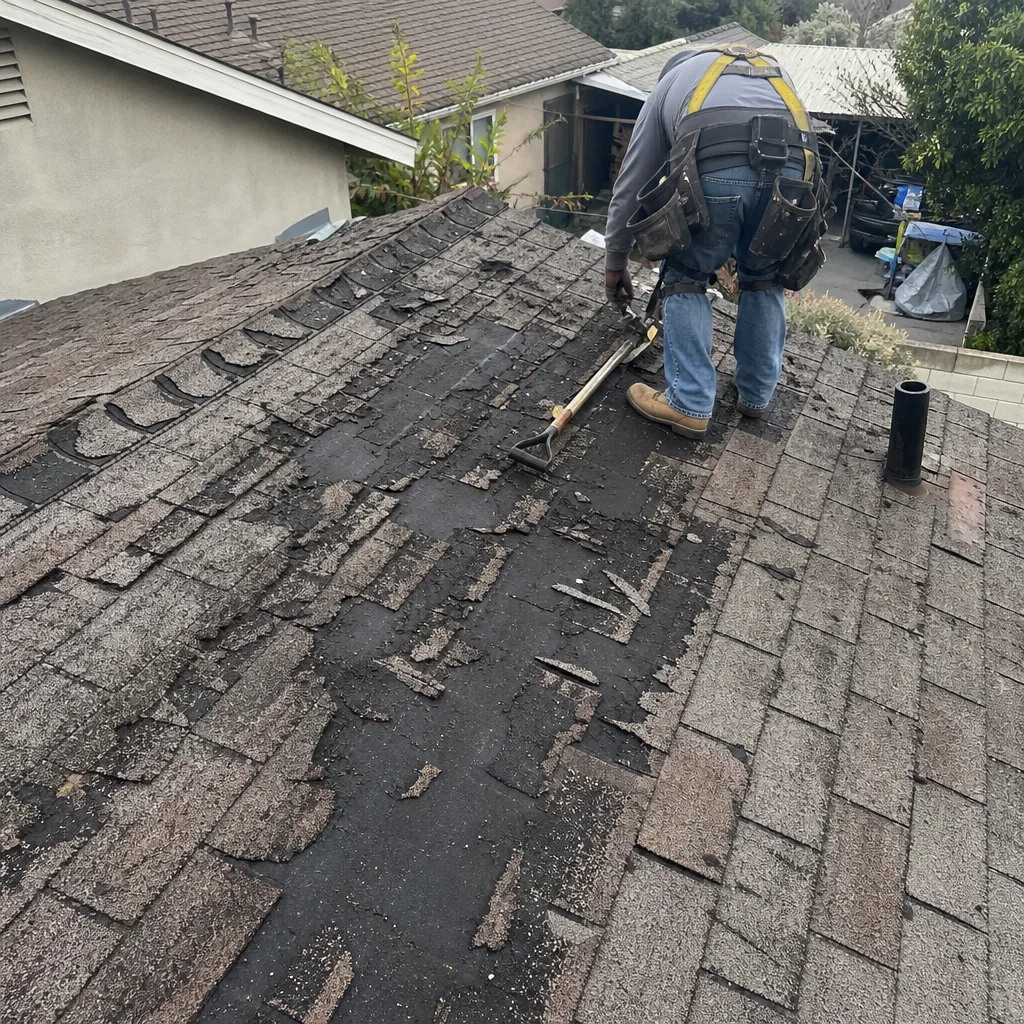 Before
 After
 Before
 After
 Before
 After