Last updated October 30, 2026
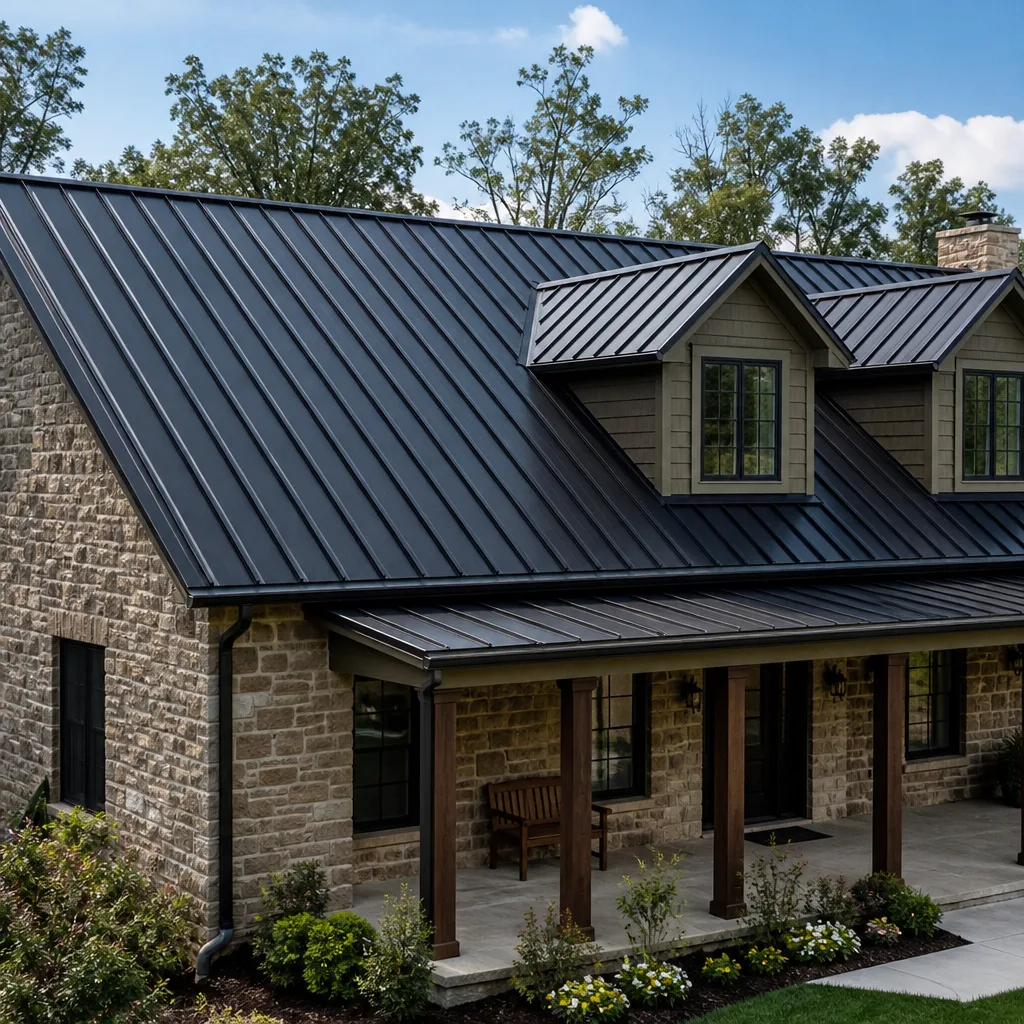 Metal roofing
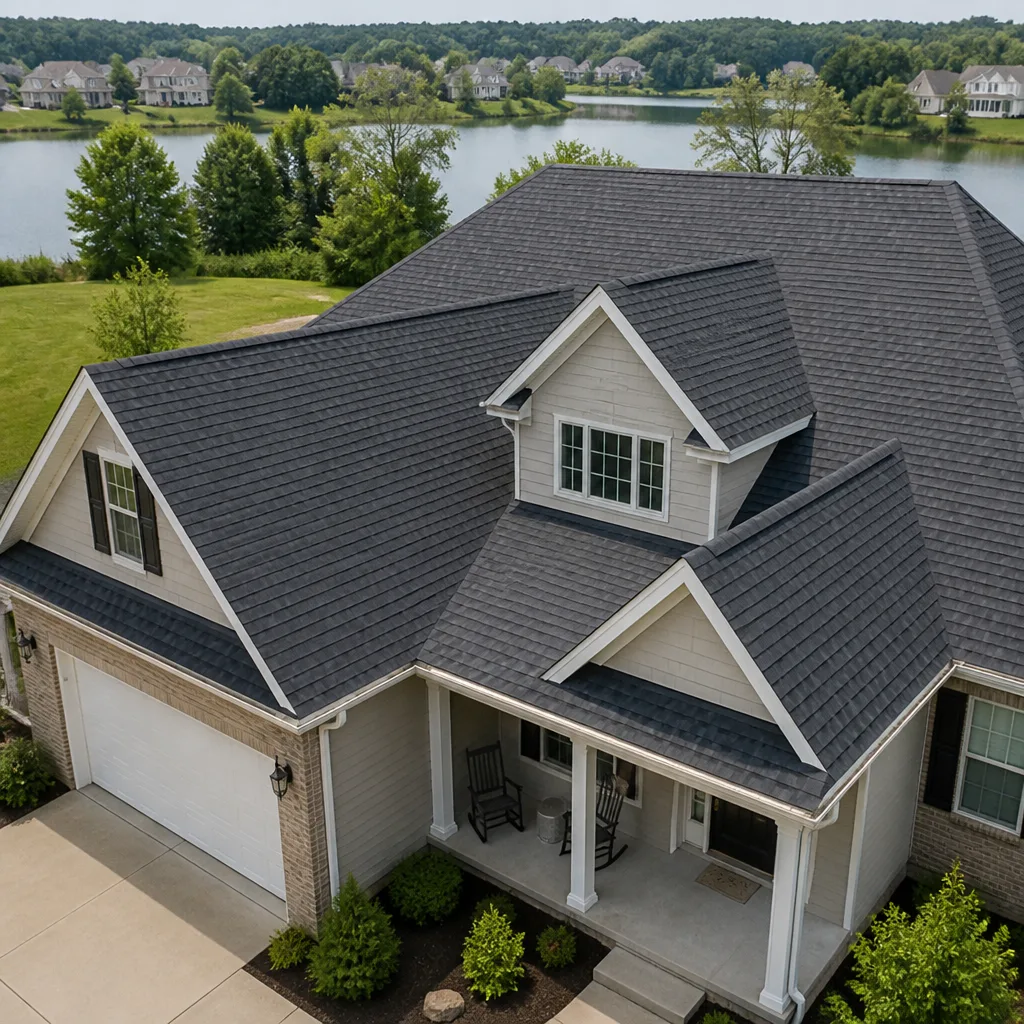
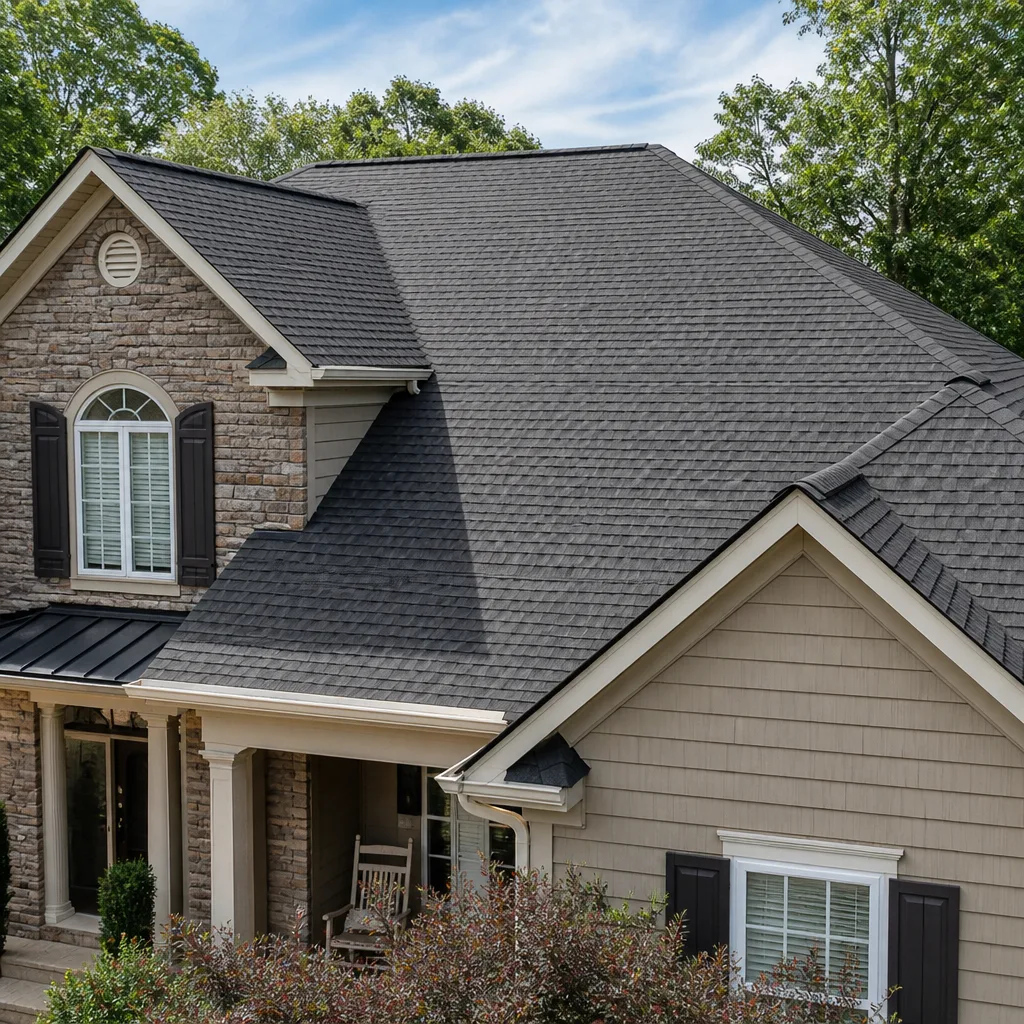 Architectural shingles
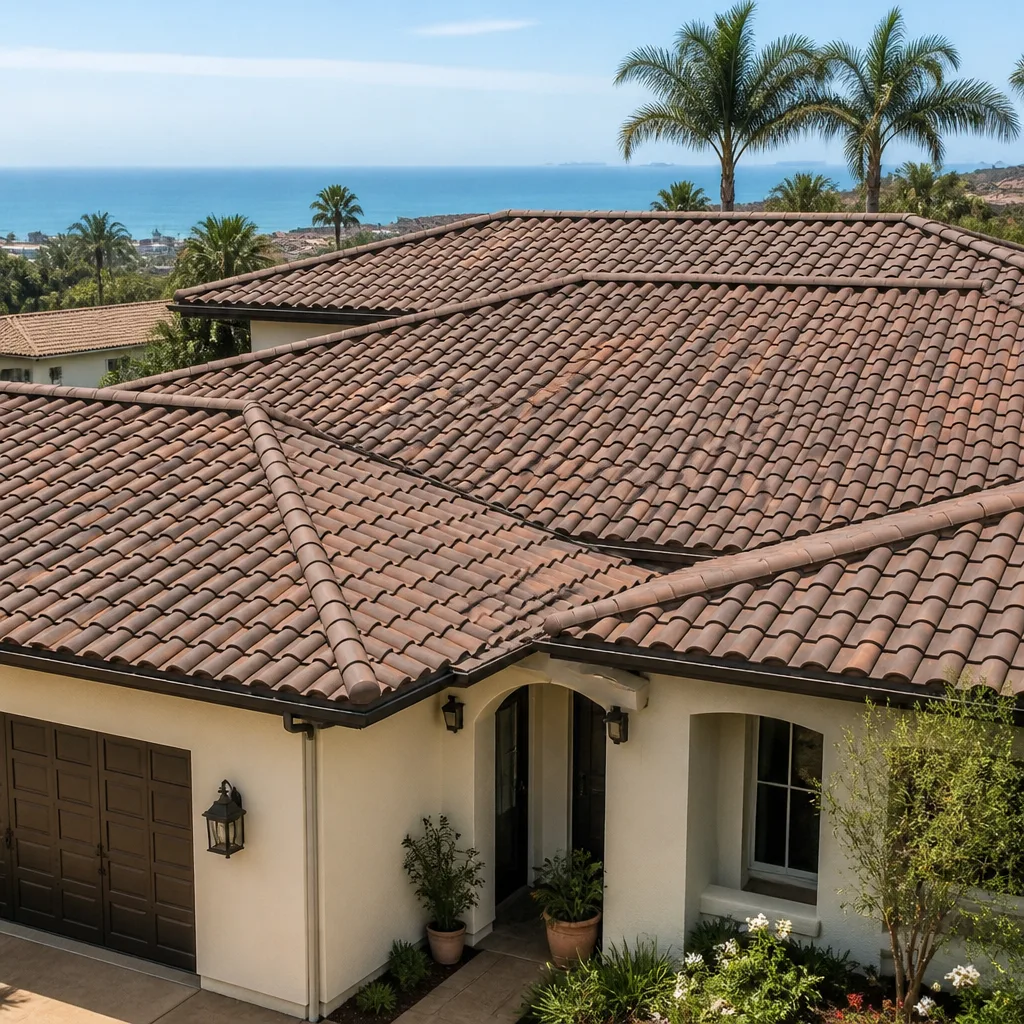 Tile roofing
 GAF
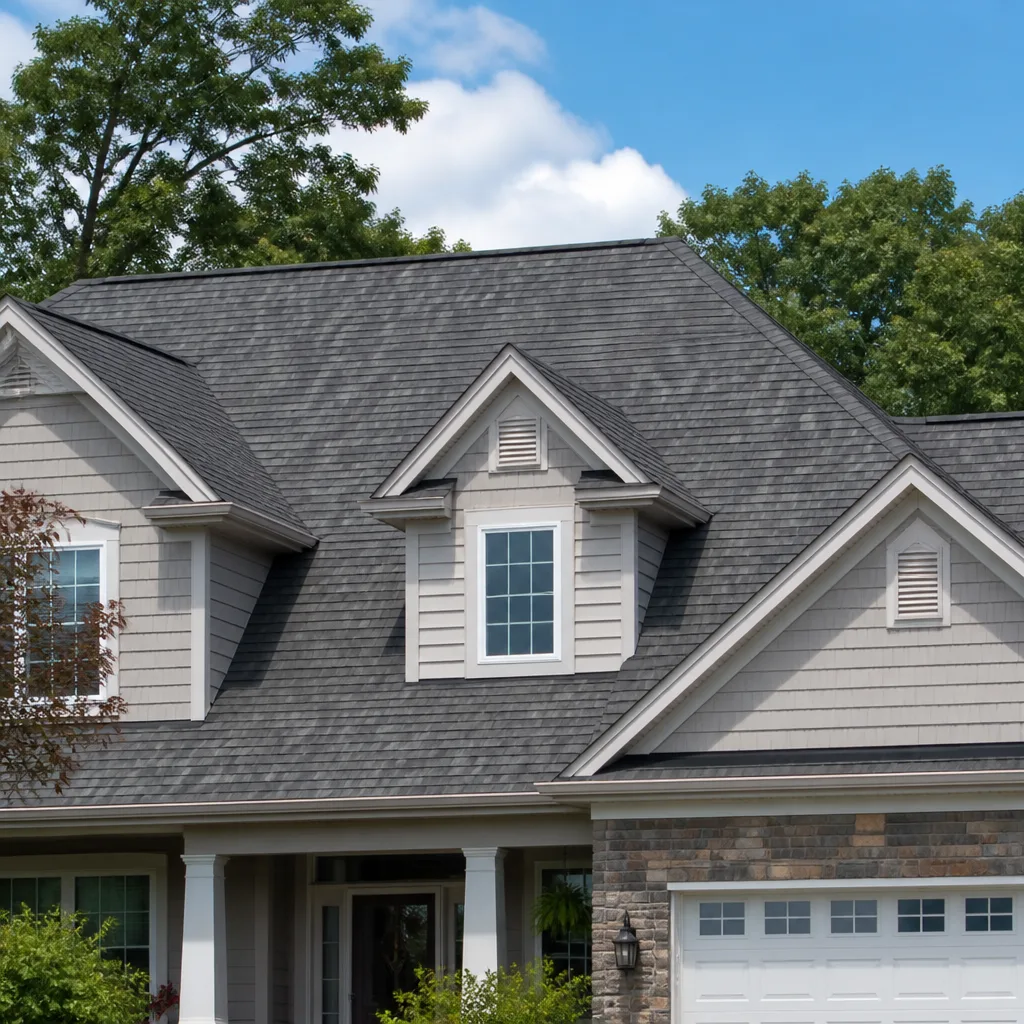 Owens Corning
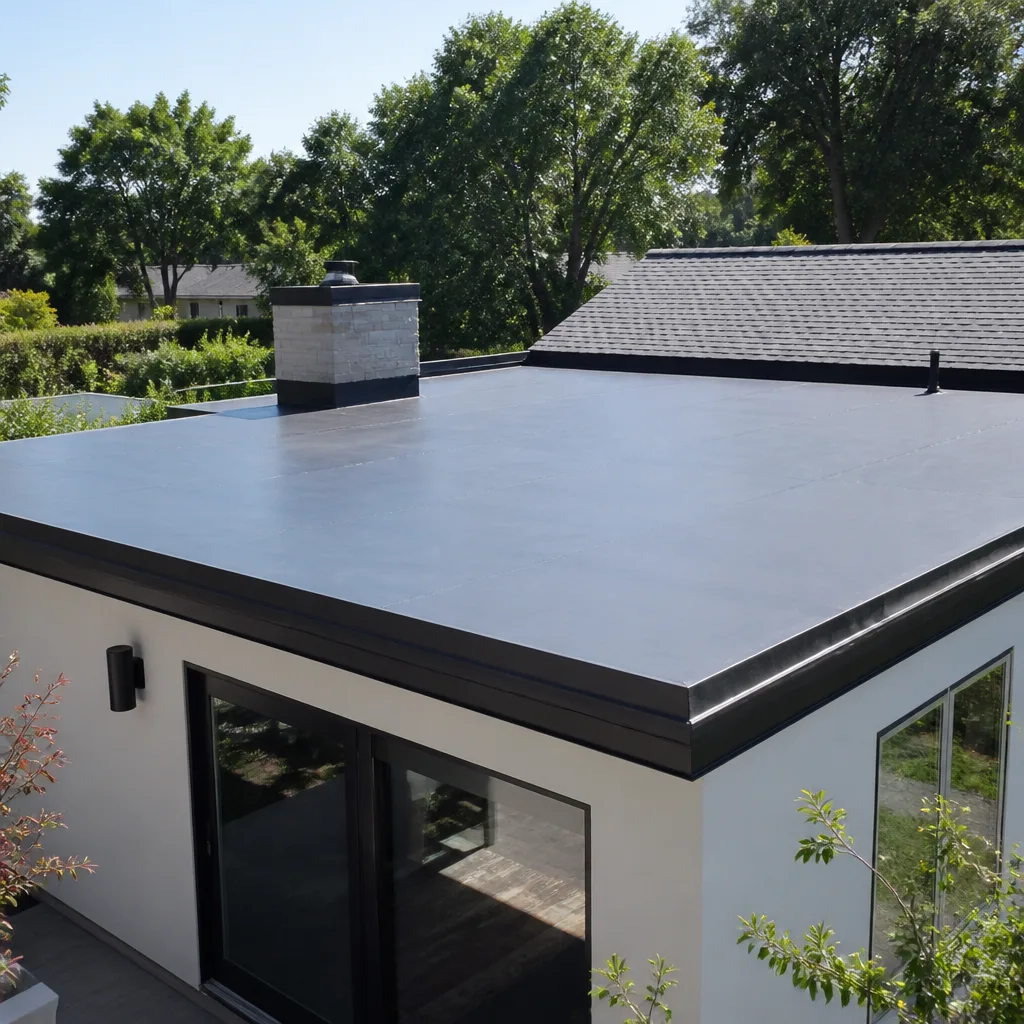 Flat & low-slope
Free roof inspection with deck photos before we talk money - GAF and Owens Corning certified installation
DIY vs Professional Roofing: The San Bernardino Homeowner’s Decision Guide
Most DIY roofing discussions you’ll find online start with the obvious: falling off a roof hurts, and a hospital bill costs more than a roofer. Fair points, but they miss the bigger issue for San Bernardino homeowners. The real boundary between a weekend project and a professional job is regulatory. California lets a homeowner pull their own building permit for a re-roof, which sounds like permission. What the state doesn’t advertise is that a self-permitted roof still requires a licensed inspector to sign off on three separate phases of work: deck inspection, underlayment installation, and final material application. Fail any one of those inspections and you’re tearing work back to the deck, not patching it. This guide walks through that reality, the material science most DIY guides skip, and the hidden liability pockets that can cost more than labor ever did. For more guides & resources on San Bernardino roofing, see our blog.
Styles & brands we work with
Quick Answer
DIY roofing makes sense for small, non-structural repairs like replacing a few damaged shingles or touching up flashing sealant around a vent. It does not make sense for full re-roofs, any work involving underlayment replacement over a living space, or anything that touches the fire-rated assembly of your home. In San Bernardino, the practical line is whether your project triggers Title 24 energy code requirements and mandatory third-party inspection. If it does, professional labor is not an upsell. It’s the cheaper way to comply.
Table of Contents
- What California Law Actually Allows a Homeowner to Do
- Why Title 24 Changes Everything for San Bernardino Roofs
- The Underlayment Rule DIY Guides Miss
- The Three Hidden Liability Pockets
- A Real Cost Comparison: DIY vs Professional Re-Roof
- Where DIY Is Actually Reasonable
- How to Know When a Small Repair Isn’t Small
- Common Mistakes to Avoid
- When to Call a Professional
- Frequently Asked Questions
- The Bottom Line
What California Law Actually Allows a Homeowner to Do
California Business & Professions Code Section 7048 allows a homeowner to act as their own contractor on their own residence without a contractor’s license. That’s true. You can legally reroof the single-family home you live in. But the law does not remove the requirements of the California Building Code, the California Residential Code, or the local authority having jurisdiction in San Bernardino. It only removes the licensing requirement for the person doing the work.
Here’s what a homeowner must do before starting any permitted roof work in San Bernardino:
- File the permit application in person or online. The City of San Bernardino requires a roofing permit for any re-roof, including tear-off and replacement. You’ll need a roof plan or diagram showing the roof’s footprint, pitch, materials, and the location of any penetrations like vents, exhausts, or plumbing stacks.
- Sign the owner-builder declaration. This is the legal document where you certify that you are the owner, that you will perform the work yourself or hire employees under your direct supervision, and that you understand you are responsible for code compliance, worker safety, and any injury that occurs on the job. You also acknowledge the home cannot be sold for 12 months after completion of an owner-builder project without additional disclosure.
- Pay the permit fee. Roofing permits in San Bernardino typically run between $300 and $800 depending on project valuation. If your work changes the roof structure (not just the surface), the fee increases.
- Schedule three inspection checkpoints. This is the part most DIY homeowners don’t plan for. The building inspector must verify the roof deck after tear-off and before underlayment goes down, then verify underlayment installation before shingles go on, then perform the final inspection after the roofing material is installed. Each inspection means stopping work and waiting for the inspector. Miss an inspection window or proceed to the next stage without sign-off, and the inspector can require disassembly of any work they couldn’t see.
- Pass the final inspection and close the permit. An open permit is a lien-adjacent liability. When you try to sell or refinance, an expired or unresolved permit creates title complications that buyers and lenders treat as a negotiation weapon.
What California law does not require a permit or license for: replacing up to 25% of a roof surface with like-for-like materials in a single calendar year, minor flashing repairs, and maintenance that does not alter the roof assembly. The 25% rule is a repair allowance, not a re-roof allowance. In practice, this means a homeowner can patch a leak, swap a handful of damaged shingles, or re-seal a vent collar without triggering the permit process. Once you exceed that threshold, you are doing a re-roof, and the full machinery of code compliance applies whether you’re a licensed contractor or not.
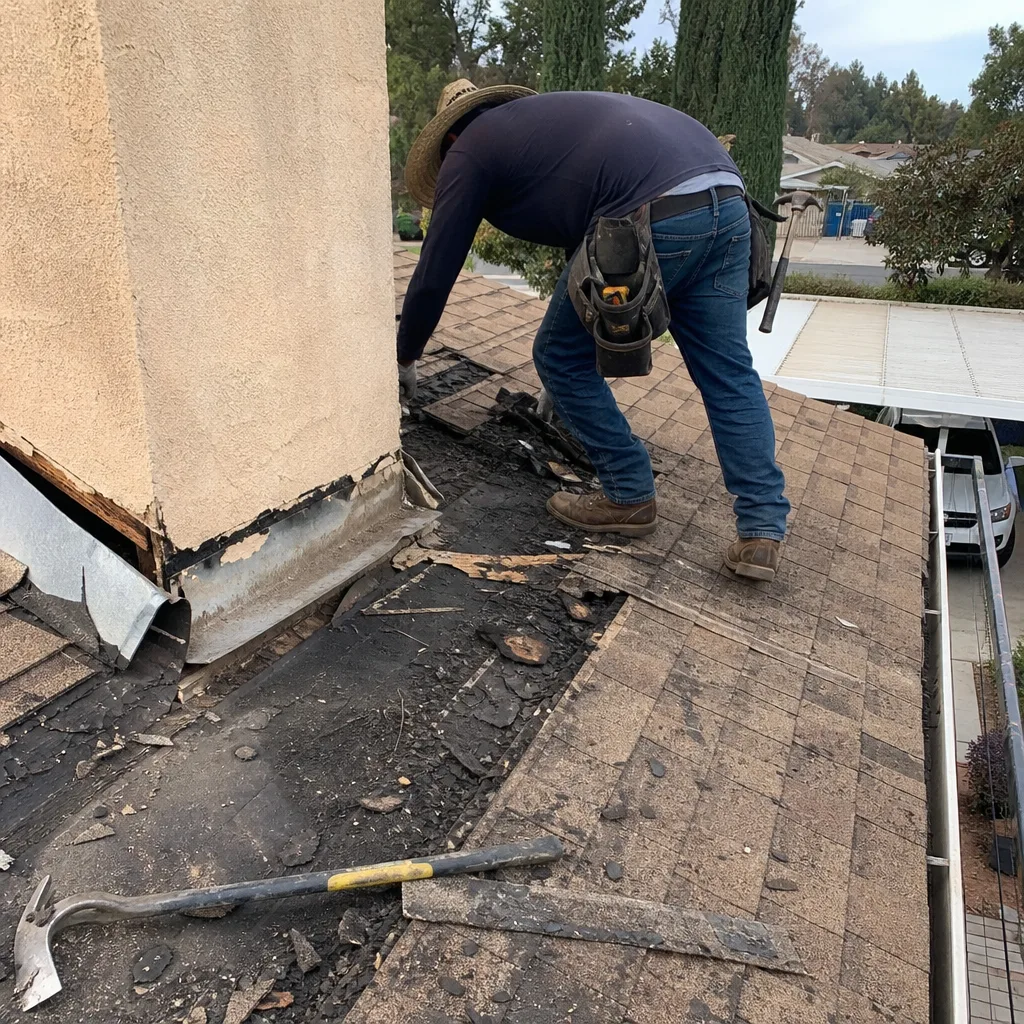
We’ve seen homeowners in San Bernardino neighborhoods like Del Rosa and North Park start with what they thought was a 25% repair, then discover after tear-off that the deck damage extends further than the shingle damage. That’s the moment the project becomes a re-roof, and the permit conversation becomes non-optional. The honest advice from our Ridge Cap Roof Repair home team: if you’re uncertain whether your repair crosses the 25% line, get an inspection before you start pulling shingles. The inspection costs less than a redo.
Why Title 24 Changes Everything for San Bernardino Roofs
San Bernardino sits in California Climate Zone 10, which is the hot-dry inland zone. Title 24, Part 6 governs energy efficiency and includes roofing requirements that most general DIY guides never mention. The most consequential one for a re-roof is the cool roof requirement.
When you replace more than 50% of a roof or install a new roof, Title 24 requires that the roofing material meet specific solar reflectance and thermal emittance values unless you qualify for an exemption. In Climate Zone 10, the standard is a minimum aged solar reflectance of 0.20 and a minimum thermal emittance of 0.75, or an SRI (Solar Reflectance Index) of 16 or higher. Most standard asphalt shingles from major manufacturers have products that meet or exceed these values, but not all of them do. Dark shingles that are non-compliant can fail the energy compliance check.
Why this matters for a DIY project: a homeowner who buys material based on price or color without checking its Title 24 compliance can install a roof that fails final inspection. That’s a full tear-off. The shingles cannot be returned. The labor cannot be recovered. We’ve heard from multiple San Bernardino homeowners who watched a final inspection fail because the product data sheet wasn’t provided, or the installed shingle color was non-compliant in its aged reflectance rating. The inspector does not care whose mistake it was.
There’s also the radiant barrier requirement. In Climate Zone 10, new roofs and re-roofs where the roof deck is exposed must include a radiant barrier or a cool roof material that meets the SRI standard in the field and in the ridge covering. Most professional roofers in San Bernardino handle this by selecting a compliant shingle system and documenting it. DIY homeowners commonly handle it wrong because they don’t know the requirement exists until the inspector asks for the compliance documentation.
Now, compare this to what a full-service roofing company with manufacturer relationships does. The brand roster at Ridge Cap includes GAF and Atlas, both of which have solar-reflective shingle lines that simplify Title 24 compliance in Climate Zone 10. That’s the material-to-climate matching we mean when we say the right material for your roof is determined by the job, not by what’s cheapest to stock. The DIY approach treats asphalt shingles as interchangeable. They aren’t in this climate.
The Underlayment Rule DIY Guides Miss
Here’s a specific technical issue we see on San Bernardino tract homes with roof pitches between 3:12 and 5:12. On those lower slopes, water drains slower and sits longer against the shingle joints. Wind-driven rain can also push water up-slope, under the shingle course, more easily on a shallow pitch than on a steep one.
California Building Code, Chapter 9, addresses this through underlayment requirements. On roof slopes of 4:12 and steeper, a single layer of ASTM D226 Type I or ASTM D4869 Type I underlayment is sufficient. On slopes between 2:12 and 4:12, the code requires a double layer of underlayment: either two layers of Type I felt, or one self-adhering polymer-modified bitumen sheet over the entire roof deck in addition to the standard underlayment. On a 3:12 pitch, the seam overlap requirements also tighten, because water migration at seams is the primary failure mode.
Most DIY roofing videos filmed in other parts of the country show a single layer of synthetic underlayment, snapped down with cap nails and moved past in 20 minutes. That method can pass inspection in a wet climate with steep pitches and no wildfire exposure. It will not pass in parts of San Bernardino where the local topography produces shallow roofs and where the Fire Chief requires specific assembly details.
San Bernardino County contains a significant portion of the San Bernardino Mountains and foothill communities, and many areas are designated as Fire Hazard Severity Zones. Those zones carry additional roof assembly requirements under CBC Chapter 7A: exterior wildfire exposure protection. In the highest severity zones, roofs must be tested to ASTM E108 Class A standards, and the entire assembly, including the ridge cap, must meet the state fire marshal’s material listing. That’s not a homeowner-friendly process. It involves paperwork from the material manufacturer, matching underlayment recommendations from the shingle brand, and sometimes a letter from the product’s fire test documentation. A homeowner can do this work without a license, but they cannot fail any piece of it without consequences that quickly make the contractor’s fee look small.
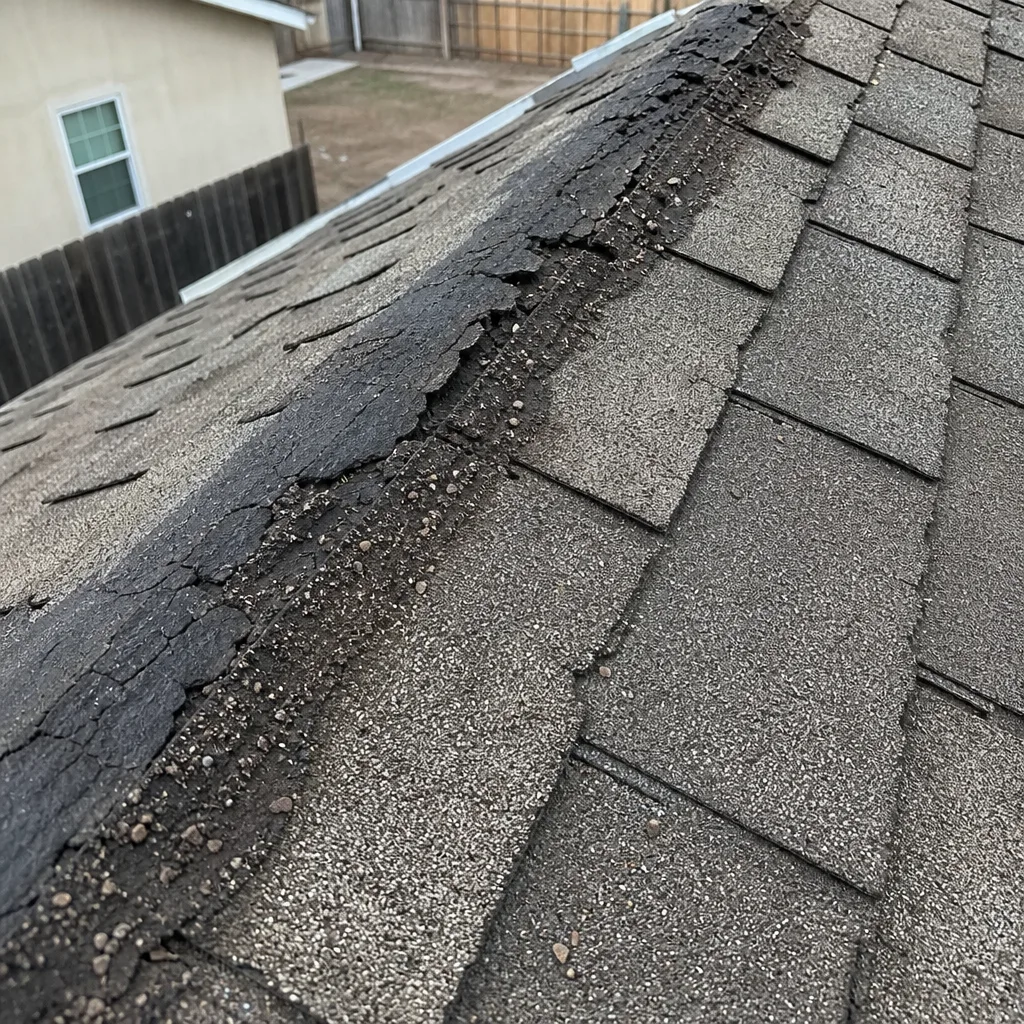
This is where the phrase from the ridge cap down comes from. The ridge cap is the highest, most exposed, and most wind-vulnerable detail on any roof. It’s also the detail inspectors check most closely in high-wind areas. San Bernardino sits at the eastern edge of the San Gabriel Valley wind corridor, and seasonal Santa Ana events produce sustained winds that test ridge caps harder than the rest of the field. Improper ridge cap nailing in a Santa Ana wind event is the most common source of wind-related roof repair calls we receive. Professional roofers see this every year. DIY roofers find out the first November after their project.
The Three Hidden Liability Pockets
The cost of DIY roofing is not the labor you save. It’s the liability you assume. In San Bernardino, three specific liability categories convert DIY savings into long-term exposure. Here’s each one in plain language.
1. Fire-Rated Assembly Liability
When a home sits in a fire hazard severity zone, or when local ordinance adopts the CBC Chapter 7A wildland urban interface requirements, the roof assembly is a tested and listed system. That means the shingle, underlayment, and ridge cap must come from the same manufacturer’s tested assembly, or at minimum be documented as compatible by the shingle manufacturer. A homeowner who mixes brands or substitutes a cheaper underlayment has broken the assembly listing. The code enforcement issue is one cost. The larger one is what happens after a fire: insurance adjusters and subrogation attorneys look specifically for code violations in the roof assembly. A non-listed assembly that burns is a defense against covering the claim.
2. Manufacturer Warranty Eligibility
Asphalt shingle manufacturers like GAF, Tamko, and Atlas differentiate between material warranties and system warranties. A material warranty covers manufacturing defects over a set period. A system warranty covers the entire roof assembly, including underlayment and workmanship, and often includes a labor component for the early years. System warranties require installation by a manufacturer-certified contractor. They are void if the shingles were installed by an unlicensed or non-certified individual. That means a DIY installer gets a material warranty at best, and in many cases, even that is reduced. The shingle itself might be identical to what a professional installs. The warranty protection is not.
3. Insurance Claim Defensibility
California homeowners insurance is expensive, and underwriting has gotten stricter since the 2020 wildfire seasons. If you file a claim for roof damage from wind, hail, or fire after performing DIY roof work, the adjuster will ask for the permit, the inspection records, and the installation documentation. If those don’t exist, or if an inspection was never completed, the claim can be denied as pre-existing condition, improper installation, or failure to maintain. Worse, you may find your policy non-renewed after the claim is processed. Professional installation with a closed permit and documented inspection record is a form of insurance defense. DIY work that was never inspected is a claim risk. This is a conversation we recommend having with your insurance agent before you decide. The answer is often the deciding factor.
One point worth making clearly: none of this means DIY is always the wrong call. It means the decision has three cost dimensions: material cost, labor cost, and liability cost. Most DIY calculators you see in a YouTube comment section only cover the first dimension.
A Real Cost Comparison: DIY vs Professional Re-Roof
Let’s put numbers on a typical San Bernardino ranch-style tract home: roughly 1,800 to 2,200 square feet of roof surface, 3:12 to 5:12 pitch, comp shingle replacement over a re-deck on limited sections. Here’s what each approach actually costs in this market. These are illustrative ranges from local supply houses and permit fee schedules, current through early 2026.
- Roofing permit: $350 to $750, same for DIY and professional.
- Shingles (architectural, Title 24 compliant): $4,200 to $6,800 for 20 to 22 squares, depending on brand. Atlas and Tamko compliant lines sit at the lower end; GAF Timberline line at the higher end of that range. DIY pays the same material price a contractor pays at the supply house counter, though contractors sometimes get volume pricing for multiple jobs per month.
- Underlayment (double layer on slopes under 4:12): $400 to $900, depending on synthetic versus felt and whether a self-adhered layer is required by the slope or fire-zone designation.
- Ridge cap and ventilation components: $250 to $500.
- Tool rental (nail gun, compressor, ladder, safety harness, roof jacks): $180 to $400 for a week.
- Disposal (tear-off debris in a 20-yard roll-off): $450 to $800 in San Bernardino.
- Professional inspection to validate DIY work: $250 to $500 for a comprehensive post-installation inspection, if you can find a roofer willing to inspect someone else’s work and put findings in writing.
- Labor for professional installation: $5,000 to $9,500, which includes the crew’s expertise, warranty paperwork, and an experienced set of hands on the ridge cap details.
Add the two columns. DIY total material and non-labor cost: roughly $6,500 to $10,500 depending on brand choices, tool purchases, and disposal conditions. Professional total project cost: roughly $11,500 to $17,500. The labor savings looks like $5,000 to $7,000. That’s real money.
But the savings disappear if any of these conditions apply: the home is in a fire hazard zone requiring assembly documentation you can’t compile alone, the roof has more than two layers of existing roofing that require full tear-off (a San Bernardino code issue), the deck shows moisture damage that wasn’t visible until tear-off, the inspector fails any stage due to a compliance error, or the warranty matters to you when you sell the home. A failed inspection that requires partial or full redo wipes out the entire labor savings in a day. A non-compliant cool roof color discovered at final inspection does the same. The most expensive outcome is a DIY re-roof that passes inspection but fails in a wind event after the rainy season starts, because the homeowner has no warranty recourse and no contractor to call.
The honest math in San Bernardino: DIY re-roofing saves money only when the roof is simple in geometry, the home is not in a fire zone, the owner is experienced with roofing tools, and the owner is willing to accept zero workmanship warranty. Those conditions describe a small subset of homeowners.
Where DIY Is Actually Reasonable
We don’t tell every caller that DIY is a mistake. It isn’t. The repair-first philosophy at Ridge Cap is about matching the fix to the problem, not maximizing the invoice. Repair when it makes sense. Replace when it doesn’t. Here are the tasks where a careful homeowner in San Bernardino can reasonably handle their own maintenance, drawn from our Roof Repair Maintenance Checklist for San Bernardino Homeowners.
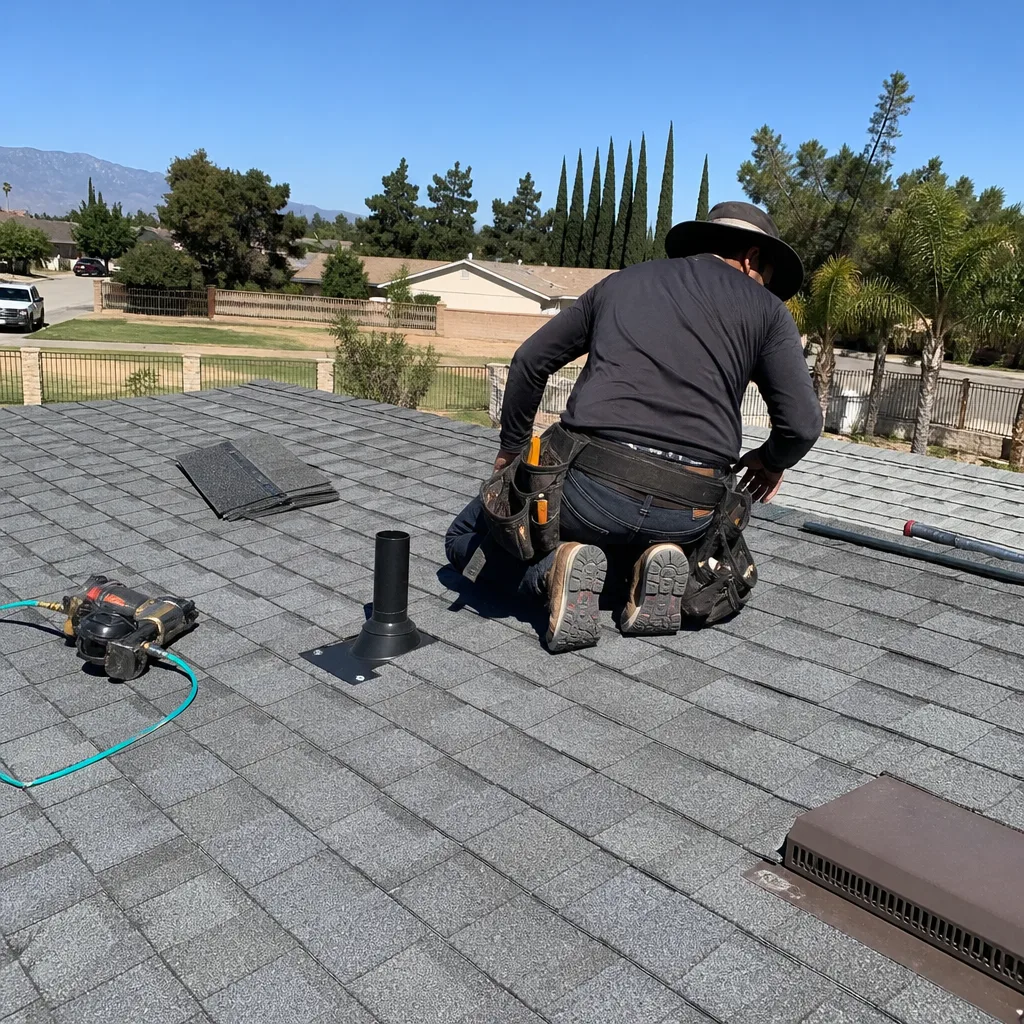
Minor flashing re-seal. The rubber boot around a plumbing vent pipes or the metal flashing around a small attic vent can be re-sealed with a quality polyurethane or silicone roofing sealant. This is a two-hour job with a ladder and a caulk gun. If you can see bare nails or separated sealant, you can address it. The key is using a sealant rated for asphalt shingle contact, not a general-purpose caulk that off-gasses acids and causes shingle granule loss.
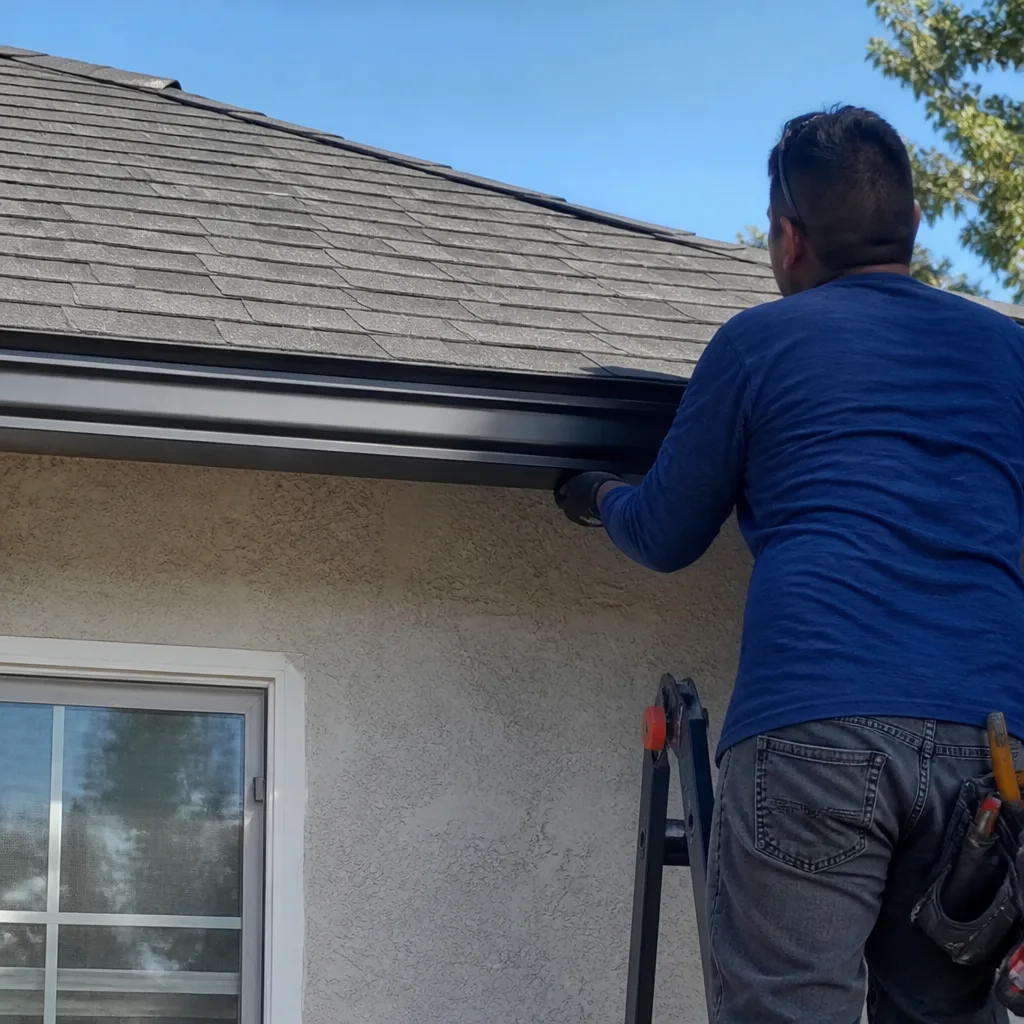
Gutter cleaning and fastener tightening. Gutters are not in Ridge Cap’s service scope, but maintaining them is DIY-friendly work that protects the roof. Clogged gutters in San Bernardino’s monsoon-season downpours back water under the eaves and into the fascia. Clearing them twice a year and checking that gutter spikes are seated is reasonable homeowner maintenance.
Attic insulation top-up. Adding blown-in insulation above the ceiling is an attic job, not a roof job. In Climate Zone 10, the Title 24 recommended attic insulation is R-38 to R-49. Topping up to that level is DIY-appropriate, assuming you don’t block eave vent baffles or cover recessed light fixtures that aren’t rated for insulation contact. It also reduces the heat load that bakes the underside of your shingles and extends roof assembly life.
One-off shingle replacement. A single shingle or two, with the right match and a few roofing nails, can be replaced by a careful homeowner on a low-pitch roof in dry weather. The risk is color-match and seal-strip integrity. Get the same brand and color, ideally from the same production lot, if any remain on site. If the shingles were installed by a prior owner and you don’t know the brand, call a professional for the patch. A mismatched patch looks bad, and the seal strip will not bond properly in San Bernardino’s temperature swings, which shortens the patch’s life to a single season.
How to Know When a Small Repair Isn’t Small
There’s a pattern we see in San Bernardino homes built in the 1980s and 1990s, when tract development ran through the Del Rosa, University, and Hospitality Lane corridors. A homeowner spots a ceiling stain. They trace it to a warped shingle near a valley. They plan a Saturday patch job. Then they pull the shingle and find wet decking, or they check the attic and see water trails running along the rafters from a completely different location than the visible shingle damage. Roof leaks travel. The entry point is almost never directly above the stain.
Here are signs that a small repair has revealed a larger problem:
- Granule accumulation in the gutter or downspout that outpaces normal wear, suggesting the shingle surface is degrading faster than expected.
- Visible deck sag between rafters in the attic, indicating long-term moisture exposure and structural weakening.
- Mold or fungal staining on the underside of the roof deck sheathing, not just surface discoloration.
- Multiple leak points within a five-year window, which usually means the underlying issue is an underlayment or flashing failure, not isolated shingle damage.
- Lifted ridge cap sections after any wind event over 40 mph, which points to improper original nailing or age-degraded seal strips.
If you hit these conditions, the correct next step is a professional Roof Inspection in San Bernardino, not a deeper DIY attempt. The same crew that inspects should be the same crew that repairs or replaces, and that’s the full-spectrum model Ridge Cap runs on. We inspect before we recommend. Findings don’t get lost in translation between separate teams, and the recommendation stays repair-first when the roof has life left. If it doesn’t, the replacement conversation is based on inspection evidence, not a sales script.
Common Mistakes to Avoid
- Mixing shingle brands on a single roof plane. Even if the color looks identical, different brands have different seal strip chemistries and thickness profiles. In San Bernardino’s thermal cycling, mixed-brand repairs lead to uneven bonding and early wind damage.
- Using a non-roofing nailer for re-nailing. A framing nailer drives nails too deep and shatters the seal strip, or too shallow and leaves the head proud. Roofing nailers have depth settings calibrated for the material. This is a tooling error almost every first-time DIY roofer makes.
- Ignoring the second underlayment layer on low slopes. We covered this above, but it bears repeating: on slopes under 4:12, the double-layer rule is code in California, not a preference. Skipping it will fail inspection if the inspector is thorough, and will leak if they aren’t.
- Applying sealant over existing sealant without mechanical cleaning. New sealant doesn’t bond to old, oxidized sealant. The old bead must be scraped to the metal or rubber surface, cleaned, and then re-applied. Homeowners who skip this step get one rainy season before the leak returns.
- Reroofing over two existing layers. San Bernardino follows California Residential Code which limits most roofs to two layers total. If you already have two, a DIY re-roof means full tear-off, and full tear-off is the physically hardest and most disposal-heavy part of the job.
- Walking on granulated shingles in San Bernardino summer heat. Shingle surfaces reach 160 degrees plus in August. Your weight on softened shingles tears the seal strip and scuffs the granule coating in permanent streaks. Professionals schedule early-morning work and know how to stage materials. DIY videos filmed in mild climates don’t show this.
- Skipping the permit to save the fee. This is the most expensive mistake of all. Unpermitted roof work creates title issues on sale, gives insurance companies a claim-denial basis, and in fire zones, opens the homeowner to code enforcement complaints from neighbors. The permit fee is the cheapest insurance you’ll ever buy on a roof project.
When to Call a Professional
Any re-roof that exceeds the 25% repair allowance. Any work in a wildland urban interface fire zone. Any installation where the manufacturer’s system warranty matters to you. Any roof with multiple leak points, deck damage, or ridge cap failure after wind. Any job on a roof with a pitch steeper than 6:12, where ladder and fall protection equipment becomes a life-safety matter. Any home sale or insurance claim situation where documentation of the roof’s condition is required. In any of these cases, the cost of professional labor is justified by the documentation, compliance, and warranty value alone. Ridge Cap Roof Repair offers free estimates in San Bernardino, and the team covers Roof Repair in San Bernardino through Roof Replacement in San Bernardino with the same crew on the roof from inspection to final walkthrough. Call (866) 361-0798 to schedule your estimate.
Frequently Asked Questions
Yes. Any re-roof that exceeds the 25% repair allowance requires a roofing permit from the City of San Bernardino, even when the homeowner does the work under the owner-builder exemption. The permit requires three inspections: deck, underlayment, and final. Call (866) 361-0798 if you want a professional inspection before committing to the permit path.
A professional re-roof on a typical 1,800 to 2,200 square foot San Bernardino ranch home costs between $11,500 and $17,500, depending on material brand, slope, number of layers being removed, and fire-zone requirements. Get a written itemized estimate to see exactly where those dollars go.
You can install them yourself legally under the owner-builder exemption, but you must document their Solar Reflectance Index (SRI) and submit compliance paperwork to the building inspector. If you choose a non-compliant color or fail to provide the product data sheet, final inspection fails and the material comes back off.
Slopes between 2:12 and 4:12 require double underlayment. This includes the 3:12 pitches common on San Bernardino tract developments. Most DIY guides show single-layer underlayment installation that will not pass code on those roofs.
Insurance typically covers sudden, accidental damage, not installation errors. If your DIY roof leaks due to a workmanship error or a missed code requirement, the claim is likely to be denied and the improper installation becomes a non-renewal risk. Homeowners who do DIY work should carry documentation of every stage and get a professional post-installation inspection.
Get an inspection from a repair-first roofer who will tell you plainly whether the roof has life left. Ridge Cap’s model is honest on this point: repair when it makes sense, replace when it doesn’t. We work with seven manufacturers, including Atlas, Tamko, and GAF, so our recommendation is driven by your roof’s condition and San Bernardino’s climate, not by a single brand’s incentive program. Call (866) 361-0798 for a free estimate and clear answer.
The Bottom Line
DIY roofing in San Bernardino is not simply a cost-versus-fall-risk calculation. The actual decision boundary is code compliance, documentation, and liability. Homeowners can legally pull their own permit, but the inspection process and Title 24 requirements create failure points that most DIY guides never mention. The realistic math favors professional installation for any full re-roof, fire-zone project, or job where warranty value matters. Small repairs and certain maintenance tasks are genuinely DIY-appropriate, provided you know when a small repair has exposed something structural. When that happens, the smart move is an inspection before any more material comes off. Seven manufacturers. One crew. From the ridge cap down. We inspect before we recommend.
Written by the team at Ridge Cap Roof Repair, serving San Bernardino since 2018.
See the difference
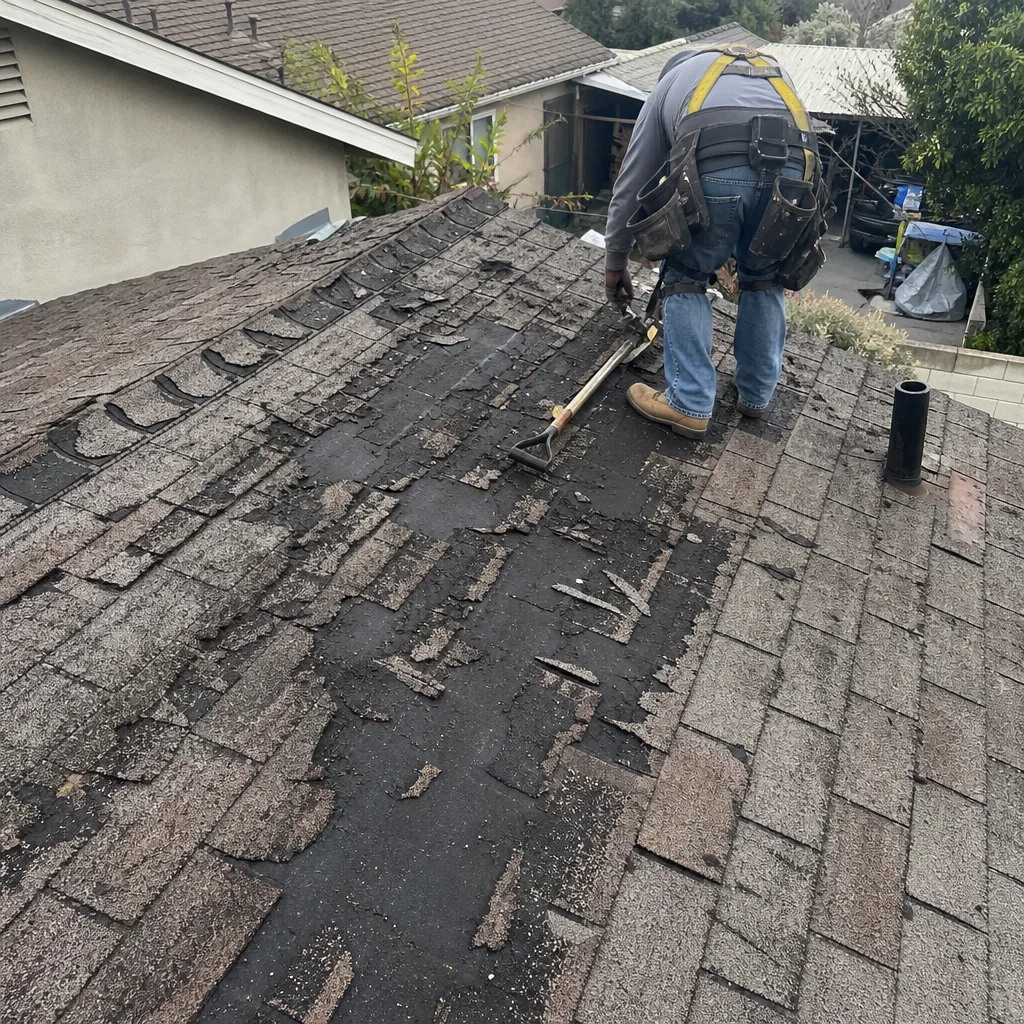 Before
 After
 Before
 After
 Before
 After