Last updated October 30, 2026
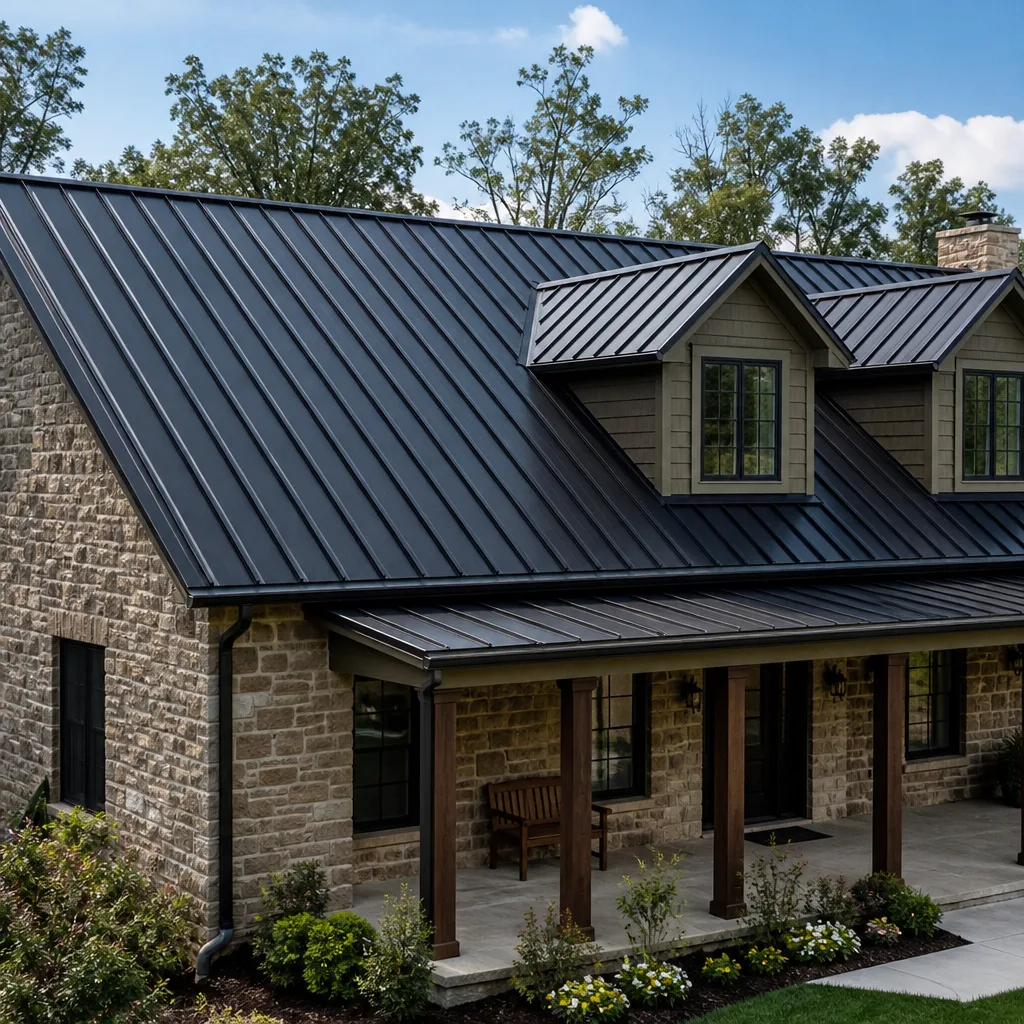 Metal roofing
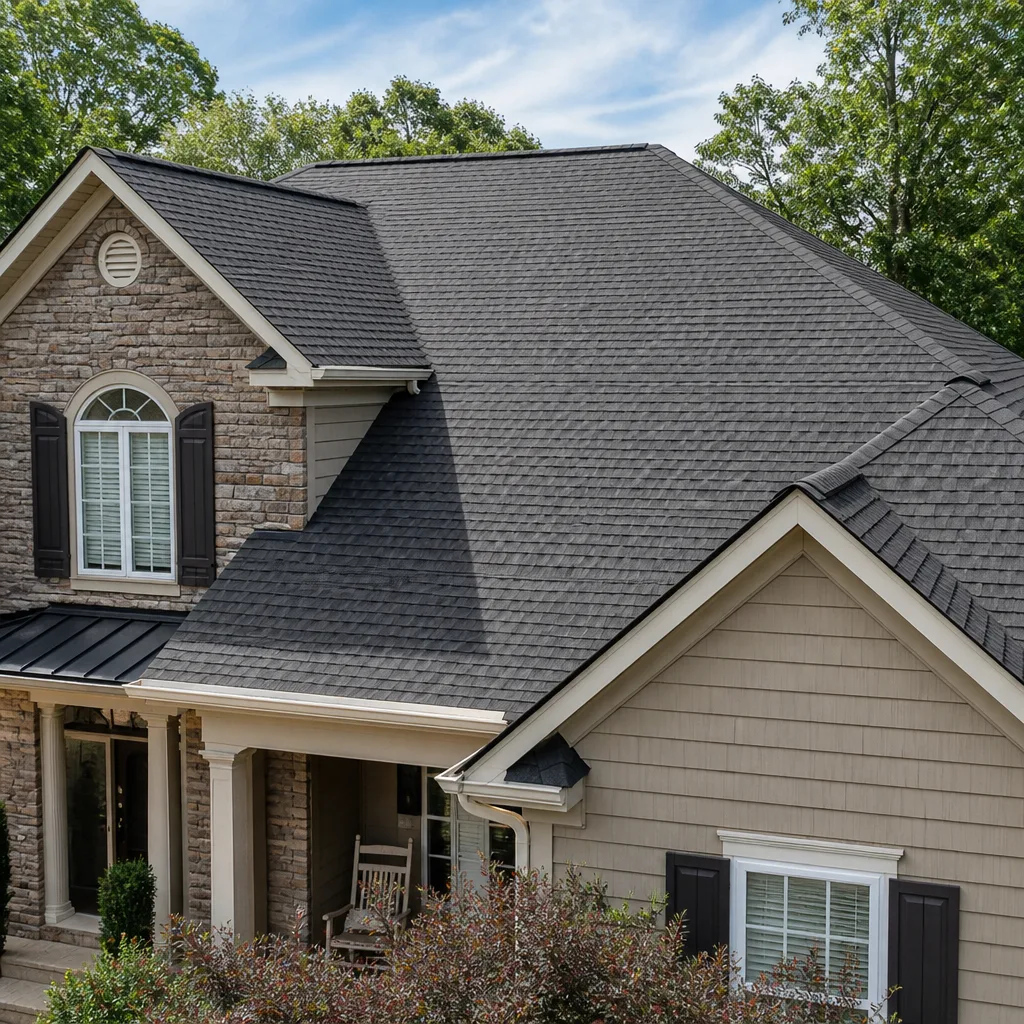 Architectural shingles
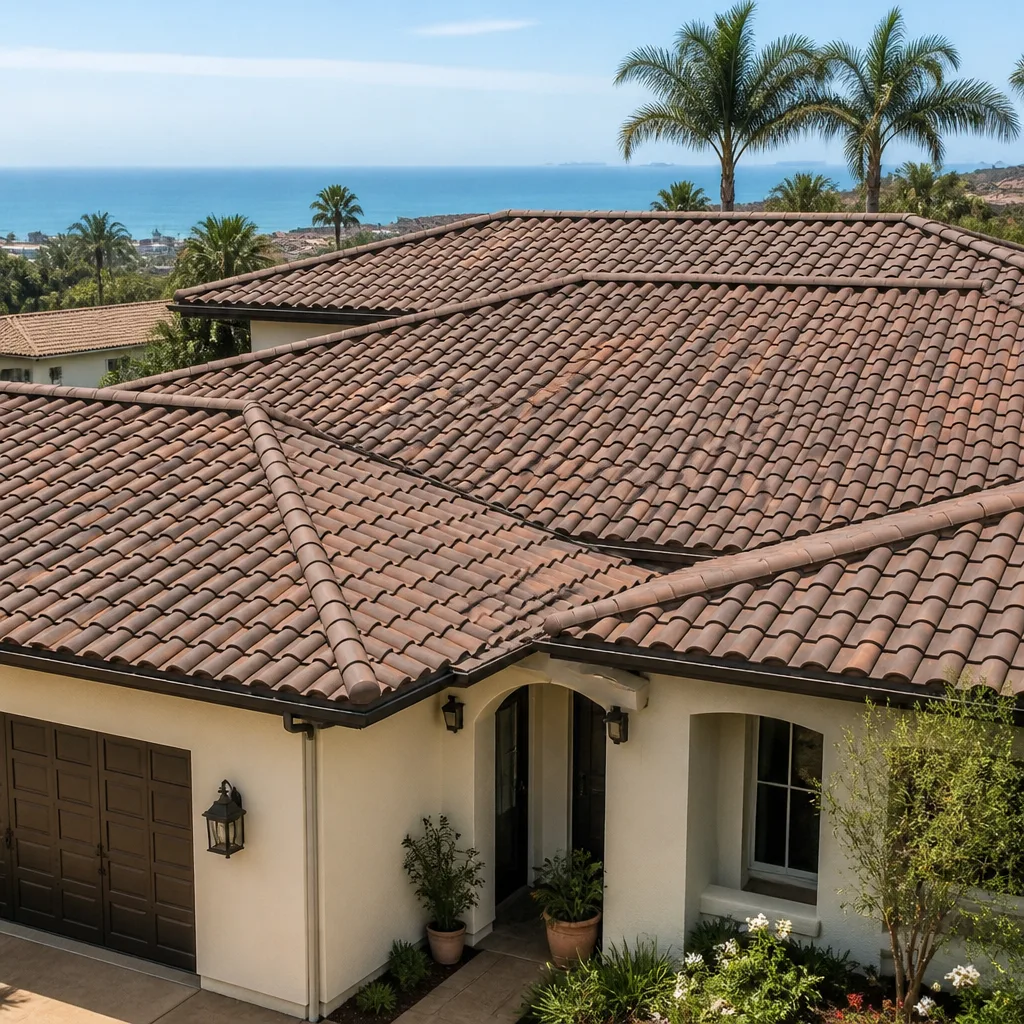 Tile roofing
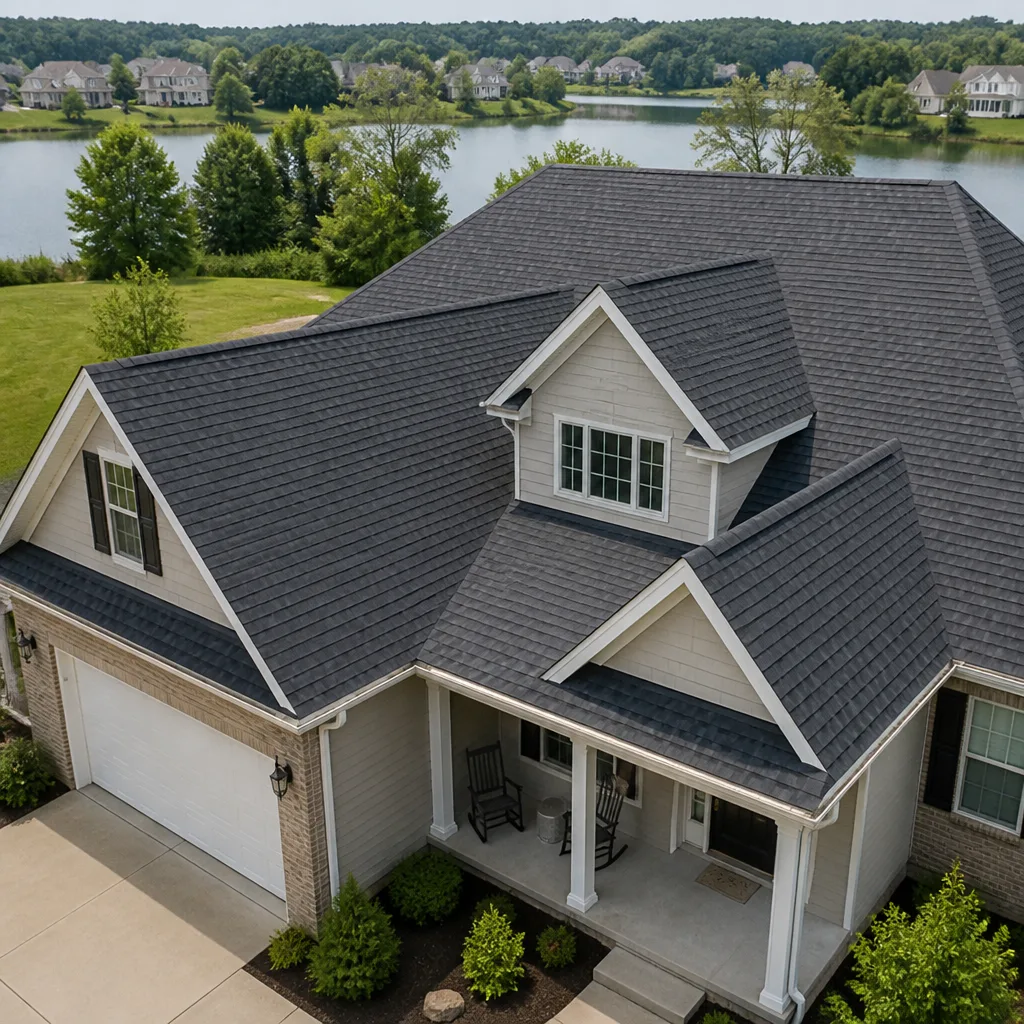 GAF
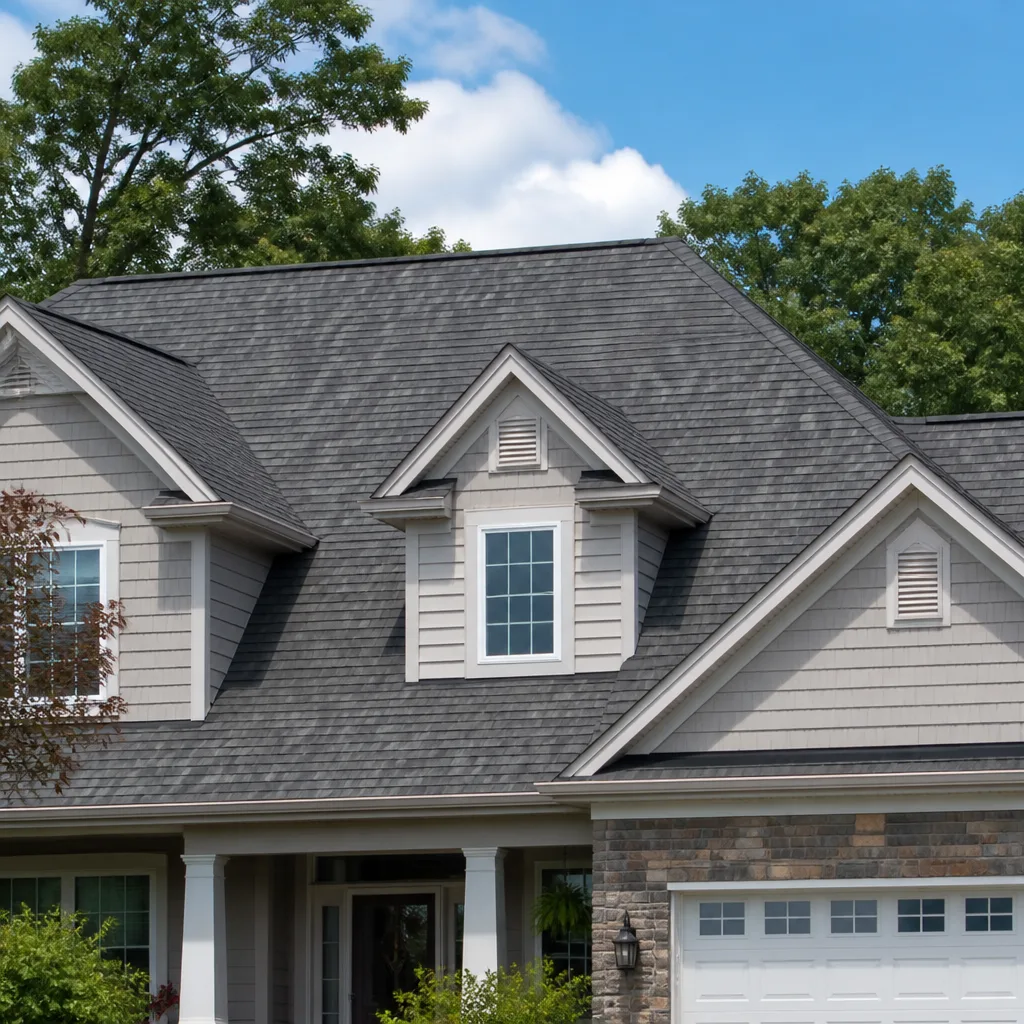 Owens Corning
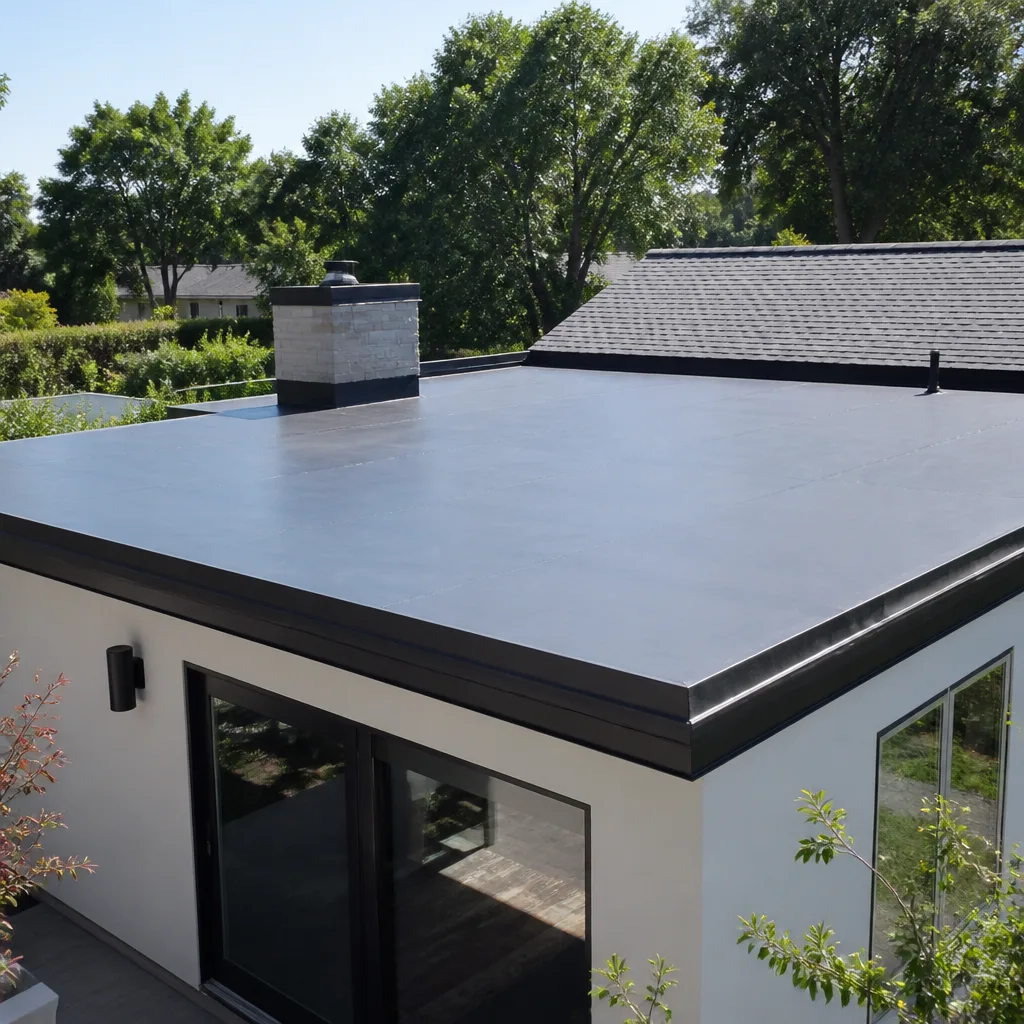 Flat & low-slope
Free roof inspection with deck photos before we talk money - GAF and Owens Corning certified installation
Roofing Cost Breakdown: The San Bernardino Homeowner’s Reference for 2026
The difference between a $9,000 and a $17,000 re-roof quote on the same 2,000 sq ft San Bernardino home is almost never the shingles. It’s deck condition, valley metal, pipe boot count, and whether the contractor is pulling a real permit. Most cost guides publish price ranges without explaining what moves a job from the low end to the high end, so our Roofing Warning Signs: A San Bernardino Homeowner’s Reference Guide helps you spot trouble early. This one breaks down the actual drivers so you can reconstruct a fair price in San Bernardino before the first contractor rings your doorbell.
Styles & brands we work with
Quick Answer
Roofing costs in San Bernardino for 2026 run from $4.50 to $9.00 per square foot for architectural asphalt shingles, $8 to $14 per square foot for concrete tile, and $10 to $18 per square foot for standing seam metal. On a typical 2,000 sq ft home, a full tear-off and re-roof with architectural shingles lands between $9,000 and $18,000 including permit fees. The spread comes down to deck repair, pitch, access, and the specific material you choose.
Table of Contents
- Material Cost Breakdown: What You’ll Actually Pay Per Square in 2026
- San Bernardino Labor Variables That Move Your Bid
- Permits, Inspections, and Title 24: What Compliance Adds
- Deck Repair: The Hidden Line Item That Breaks Budgets
- How to Compare Bids Line by Line
- Asphalt vs. Tile vs. Metal: A Cost and Climate Comparison
- Common Mistakes to Avoid
- When to Call a Professional
- Frequently Asked Questions
- The Bottom Line
Material Cost Breakdown: What You’ll Actually Pay Per Square in 2026
Roofing is priced by the “square,” which is 100 square feet of roof area. A 2,000 sq ft single-story home usually has between 22 and 28 squares of roof surface, depending on pitch and overhangs. Here’s what materials actually cost in the San Bernardino market right now, per square, installed.
Architectural asphalt shingles dominate San Bernardino because they handle the Inland Empire’s temperature swings well and carry 30-year to lifetime manufacturer warranties. Expect to pay $4.50 to $7.00 per square foot installed, with premium lines from GAF pushing toward the top of that range. Three-tab shingles, the older and thinner option, run $3.50 to $5.00 per square foot but are fading from the market because they fail faster under San Bernardino’s UV exposure.
Concrete tile is common in San Bernardino’s older foothill neighborhoods and HOA-governed communities. Material alone runs $3 to $6 per square foot, but installed costs land at $8 to $14 per square foot because tile is heavy, slow to set, and requires a reinforced deck in most cases. Atlas and Boral both produce concrete tile lines that hold up well to the region’s dry heat, but the labor is the real cost driver here, not the tile itself.
Cool-roof asphalt products, which meet California’s Title 24 reflectance requirements, add $0.75 to $1.50 per square foot over standard architectural shingles. In San Bernardino’s summer heat, that premium often pays back through lower cooling bills within five to eight years. Tamko’s cool-roof line and CertainTeed’s reflective shingles are both readily available through local suppliers.
Standing seam metal is the premium option at $10 to $18 per square foot installed. It’s rare on standard San Bernardino tract homes but shows up on custom builds in the Verdemont and North Park areas. The 50-plus-year lifespan and fire resistance make it worth the cost for some homeowners, but it’s a fundamentally different budget conversation than asphalt.
San Bernardino Labor Variables That Move Your Bid
Labor accounts for 55% to 65% of a typical re-roof in San Bernardino. Most initial estimates you’ll receive include basic tear-off and installation labor. What they often omit are the variables that legitimately raise labor costs on specific homes.
Pitch is the first variable. Walkable roofs between 4:12 and 6:12 are standard and priced at base labor rates. Anything above 7:12 requires harnesses, roof jacks, and slower work, which adds $0.50 to $1.50 per square foot. Steep pitches above 9:12, common in some San Bernardino hillside neighborhoods, can add $2 or more per square foot because the crew’s pace drops by a third and safety setup takes real time.
Two-story access is the second variable. A single-story home in the Del Rosa area costs less to roof than a two-story home three miles away simply because of ladder setup, material staging, and tear-off disposal logistics. Expect a 10% to 20% labor premium on two-story homes, and more if the roof has limited ground access or tight side yards.
Tile removal disposal is the third variable, and it’s the one that catches San Bernardino homeowners off guard. Removing concrete tile runs $1.50 to $3.50 per square foot just for labor and disposal. Tile is heavy, dusty, and requires dump fees that asphalt tear-off doesn’t. If you’re replacing a tile roof, that line item alone can add $4,000 to $8,000 to the job before a single new shingle goes down.
We recommend asking every contractor exactly which of these variables they’ve already accounted for in their bid. A low quote that omits pitch surcharges or disposal fees isn’t a better deal. It’s an incomplete bid that will get corrected mid-project.
Permits, Inspections, and Title 24: What Compliance Adds
San Bernardino County requires a building permit for any roof replacement that involves deck repair or changes to the roof’s structural components, and our Roofing Permits, Codes & Inspections in CA: What You Need to Know breaks down the full process. A simple reroof over existing decking may qualify for an over-the-counter permit, but any deck replacement triggers plan review in some cases. Permit fees typically run $250 to $600 depending on the project’s valuation and whether the city of San Bernardino or the county has jurisdiction.
Inspections add $100 to $300 per visit, and most re-roofs require at least two: one after tear-off to verify deck condition and one after installation to verify nailing patterns, flashing, and final details. If the inspector finds issues, additional visits add more cost.
Title 24 compliance is a California-specific consideration that out-of-state cost guides often miss. For roofing, Title 24 applies to the cool-roof requirements we mentioned earlier. In San Bernardino’s climate zone, a reroof must meet minimum solar reflectance and thermal emittance standards unless the project qualifies for an exemption. Documentation fees for Title 24 compliance run $75 to $150, and it’s not optional. A properly pulled permit includes this documentation automatically.
A contractor who offers to skip the permit to save you money is offering to put a non-compliant roof on your house. When you sell, the unpermitted work shows up in disclosure documents. When you file an insurance claim, the missing permit complicates the process. The $300 to $800 a permit adds is cheap compared to what skipping it can cost later.
Deck Repair: The Hidden Line Item That Breaks Budgets
Deck repair is the single biggest reason a $9,000 quote becomes a $16,000 job. The deck is the plywood or OSB sheathing under your roofing material. On a 20-year-old San Bernardino home, it’s common to replace 5 to 15 sheets of decking during a full tear-off. Each sheet runs $65 to $95 installed.
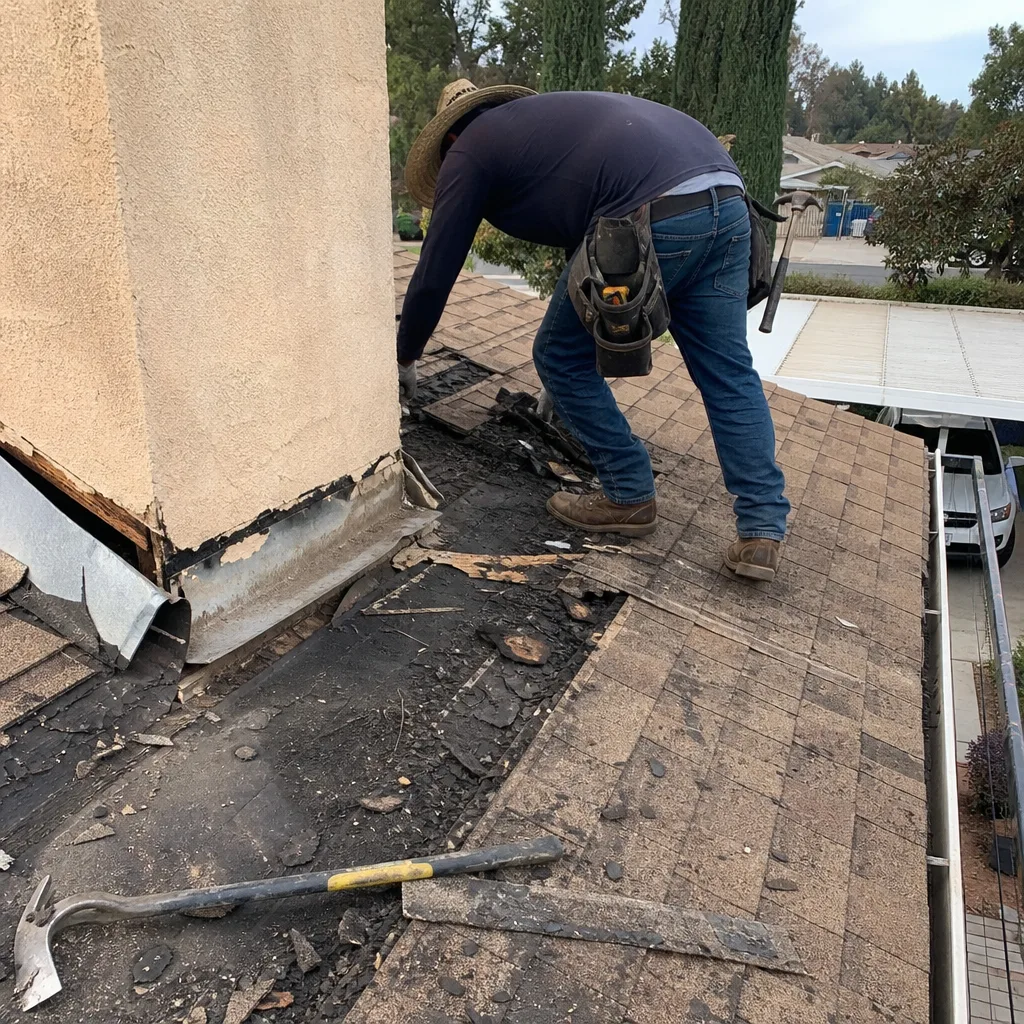
What triggers deck repair? Water intrusion around pipe boots, valleys, and chimneys rots the sheathing from below. San Bernardino’s monsoon-season downpours, which hit hard in late summer, expose weaknesses that dry months hide. Termite damage is also a factor in specific San Bernardino neighborhoods where older homes have had prior infestations.
Code requires that decking provide a solid nailing surface. If a contractor’s hammer test shows soft spots or delamination on more than 20% of the deck, they’re legally obligated to recommend replacement. Most reputable roofers won’t install new shingles over compromised decking because the manufacturer’s warranty becomes void the moment the roof flexes or fails.
Here’s the step-by-step of how deck repair gets identified and priced:
- Tear-off crew removes old shingles and underlayment, exposing the deck.
- The contractor walks the deck, marking soft spots, water stains, and delaminated sections with chalk or spray paint.
- Each damaged sheet is measured. A standard sheet is 4×8 feet, covering 32 square feet.
- The contractor adds a per-sheet line item to a change order, or if included in the original bid, the replacement count is estimated upfront.
- New decking is installed, nailed to code spacing, and the underlayment goes down over a solid surface.
The most honest way to handle deck repair is to ask your contractor to include a per-sheet price in the original bid, so when tear-off reveals 8 sheets instead of 3, the math is already transparent. At Ridge Cap Roof Repair home, we include a deck repair allowance in every re-roof estimate so homeowners aren’t surprised by a number they’ve never seen before.
How to Compare Bids Line by Line
Two bids for the same San Bernardino roof can differ by $5,000 or more. The difference is almost never profit margin. It’s what the contractor chose to include or omit. Here’s how to read a roofing bid line by line so you’re comparing the same job, not two different jobs.
First, check the material specification. A bid that says “architectural shingles” without naming the manufacturer and product line is giving you room to substitute a lower-grade shingle. A bid that specifies “GAF Timberline HDZ” or “CertainTeed Landmark” locks the product in. The price difference between a premium architectural shingle and a builder-grade version is $40 to $70 per square. Over 25 squares, that’s $1,000 to $1,750.
Second, verify the underlayment. A 30-pound felt underlayment is cheap and meets minimum code. A synthetic underlayment like a peel-and-stick high-temperature product costs $0.15 to $0.35 more per square foot but performs dramatically better in San Bernardino’s heat. If one bid seems lower, check what’s under the shingles.
Third, count the flashing and accessory line items:
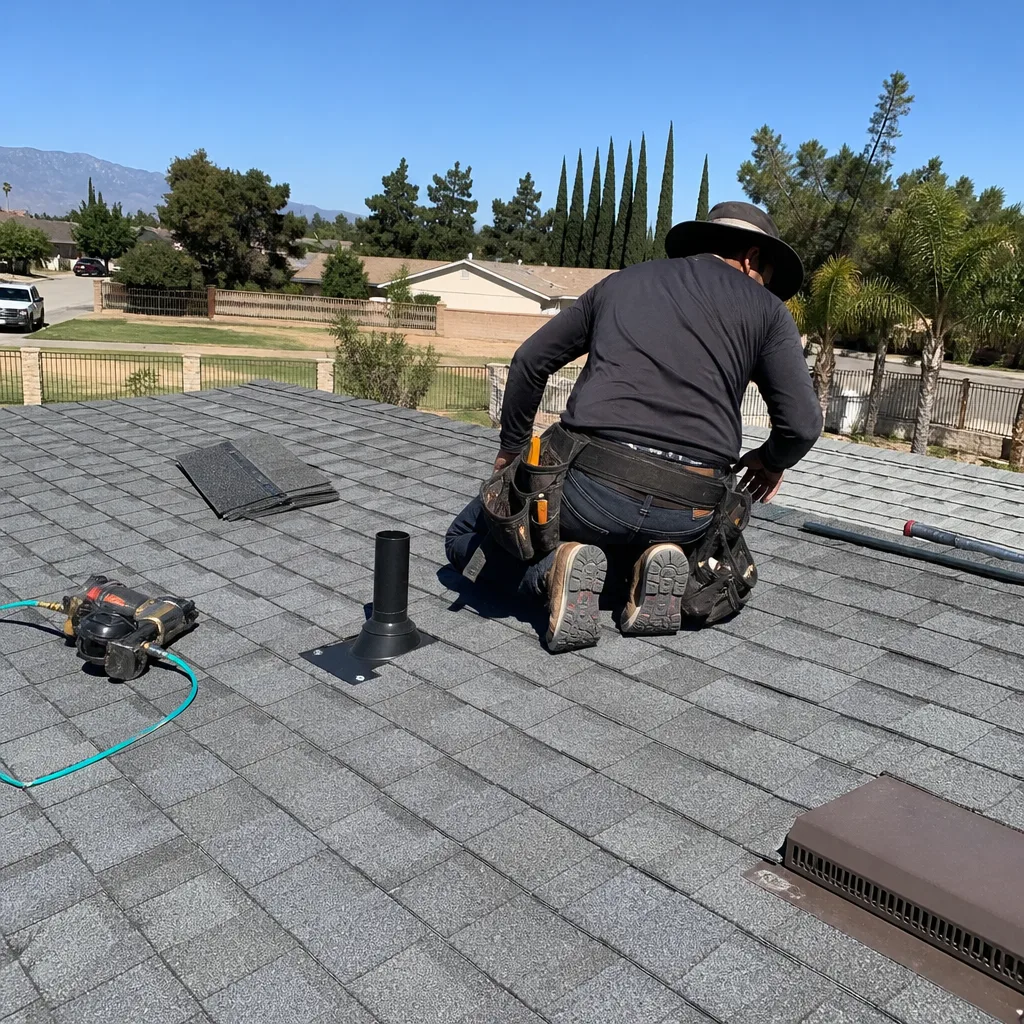
- Pipe boots: $75 to $150 each installed. A typical home has 3 to 6.
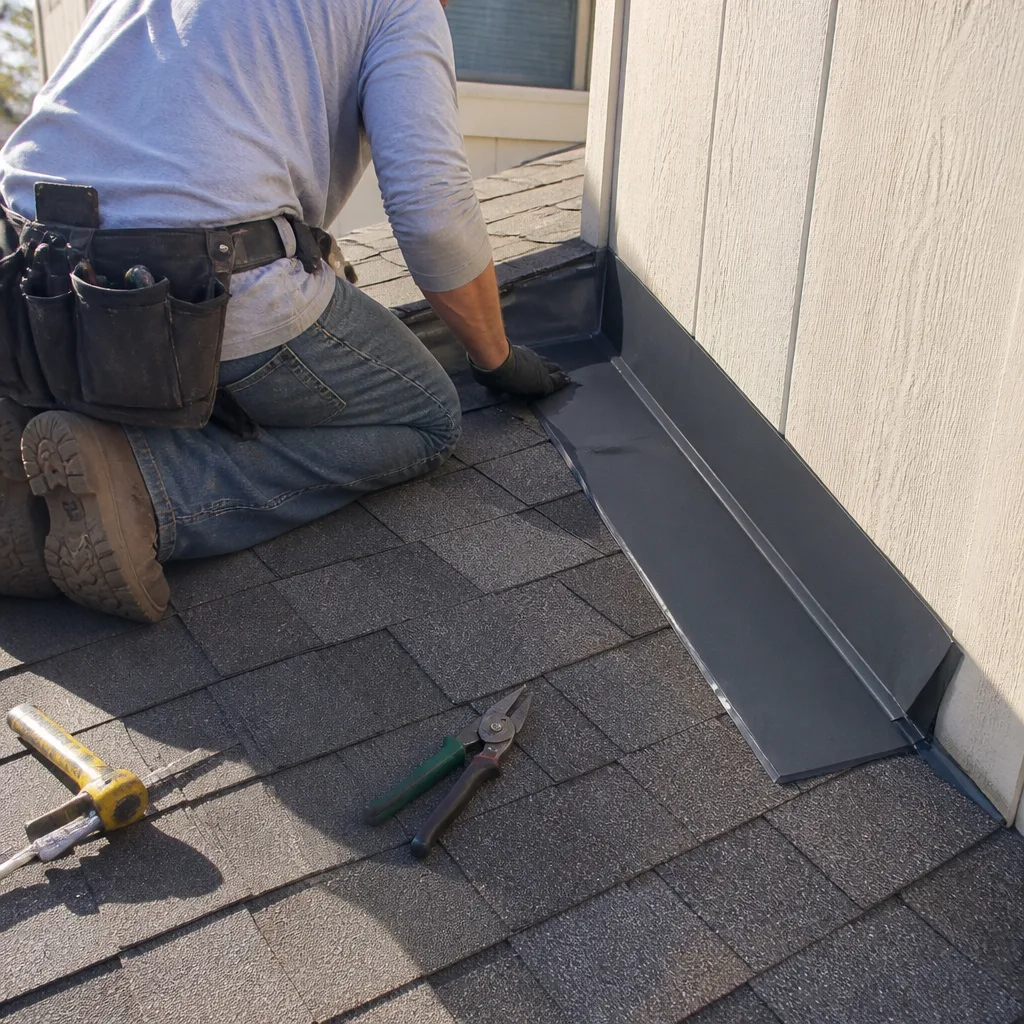
- Valley metal: $8 to $12 per linear foot. Homes with intersecting roof planes have 20 to 60 feet of valley.
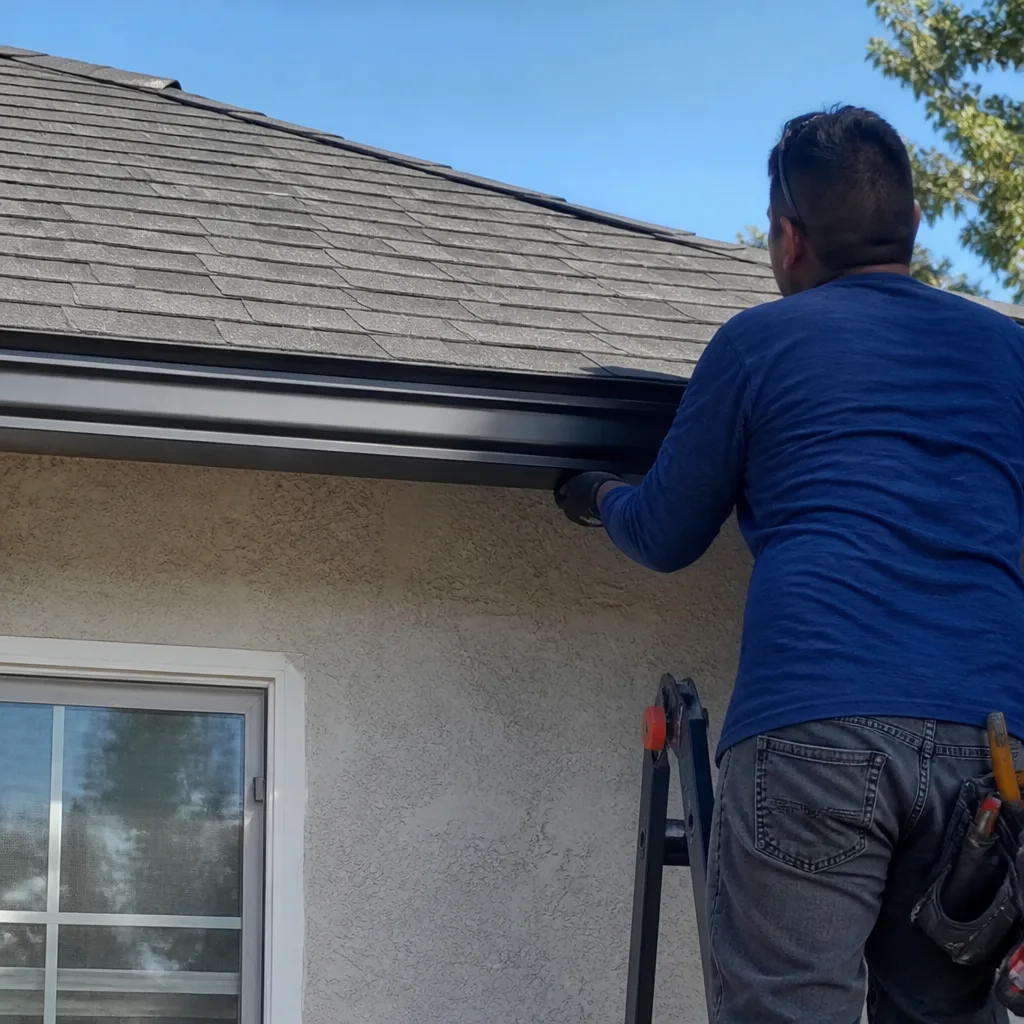
- Drip edge: $2 to $4 per linear foot. Required by code on all eaves and rakes.
- Ridge vent or box vents: $300 to $800 depending on attic ventilation needs.
- Chimney flashing: $400 to $900 for a standard re-flash, more if custom metal work is needed.
A low bid that omits drip edge or valley metal isn’t following code. When those items appear midway through the job, the “cheap” bid becomes the expensive one. We’ve reconstructed bids in San Bernardino where the final price came in $3,000 above a competitive bid the homeowner had rejected as “too high.”
At Roof Repair in San Bernardino and replacement projects, our estimates include a written, line-by-line scope with named materials and a per-sheet deck allowance. That’s the standard every homeowner should demand, regardless of who does the work.
Asphalt vs. Tile vs. Metal: A Cost and Climate Comparison
San Bernardino’s climate is harder on roofs than most homeowners realize. Summer temperatures routinely exceed 100 degrees for weeks at a time, UV radiation is intense, and the occasional monsoon storm delivers the year’s rain in a handful of hours. Each roofing material handles those conditions differently, and the differences show up in lifespan, maintenance, and long-term cost.
Architectural Asphalt Shingles
Architectural shingles are the default choice in San Bernardino for good reason. They cost $4.50 to $7.00 per square foot installed, handle thermal expansion well, and come in cool-roof configurations that comply with Title 24. Expect 25 to 35 years of service with proper installation and ventilation. The weakness is UV degradation over time: San Bernardino’s sun ages asphalt faster than coastal climates do. Premium lines from manufacturers like Tamko and Atlas use modified asphalt that resists this better than budget products.
Concrete Tile
Tile roofs are beautiful and durable, but they’re heavy. A concrete tile roof weighs 900 to 1,100 pounds per square, roughly three times what asphalt weighs. Homes built originally with tile usually have the structural framing for it. Homes built with asphalt often don’t, and switching to tile means structural engineering and reinforcement that adds $4 to $8 per square foot before tile installation even begins. For San Bernardino homes in fire-prone foothill areas, though, tile’s Class A fire rating is a genuine safety advantage.
Standing Seam Metal
Metal roofing is the premium option in San Bernardino for a reason: it reflects heat, resists UV, and lasts 50-plus years. The $10 to $18 per square foot price is steep, but the energy savings in San Bernardino’s climate are real. Aluminum and steel both perform well here, though steel requires a quality coating system to prevent corrosion in the rare humid periods. If you’re planning to stay in the home for 20-plus years, the math on metal starts to work. If you’re selling within 5 years, you won’t recoup the premium.
Our approach at Ridge Cap Roof Repair is simple: we inspect before we recommend. The condition of your deck, the pitch of your roof, and your budget drive the material conversation. Seven manufacturers and one crew means we can match material to climate and budget without pushing a single product line. For buyers who want a specific brand, our experience spans GAF, CertainTeed, Owens Corning, IKO, Atlas, Tamko, and Boral. For everyone else, the roof’s needs come first.
Common Mistakes to Avoid
- Accepting a bid without a named material. “Architectural shingles” is a category, not a product. A bid that doesn’t name the manufacturer and product line lets the contractor substitute a cheaper shingle. Always require the specific product name in writing.
- Ignoring the permit line item. San Bernardino County requires permits for structural roof work. A bid without permit fees means the contractor plans to skip it, and the consequences land on you at resale and claim time.
- Comparing prices without comparing scopes. A bid that omits drip edge, valley metal, or underlayment upgrades isn’t cheaper. It’s incomplete. The missing items will appear as change orders once the old roof is off.
- Overlooking deck repair allowances. Most 20-year-old San Bernardino homes need some decking replaced. If your bid doesn’t include a per-sheet price, you’re about to negotiate a surprise mid-project.
- Choosing tile without checking structural capacity. Tile is heavy. If your home wasn’t engineered for it, the reinforcement cost can exceed the tile cost. Verify before you fall in love with the look.
- Skipping the attic inspection during the estimate. Improper ventilation cooks shingles from below in San Bernardino’s heat. Any thorough inspection includes checking intake and exhaust ventilation. If a contractor quotes from the ground without going into the attic, get another bid.
- Filing an insurance claim before an independent inspection. Insurance adjusters respond to documented damage. An independent Roof Inspection in San Bernardino before filing gives you a factual record that an adjuster can’t easily dismiss.
When to Call a Professional
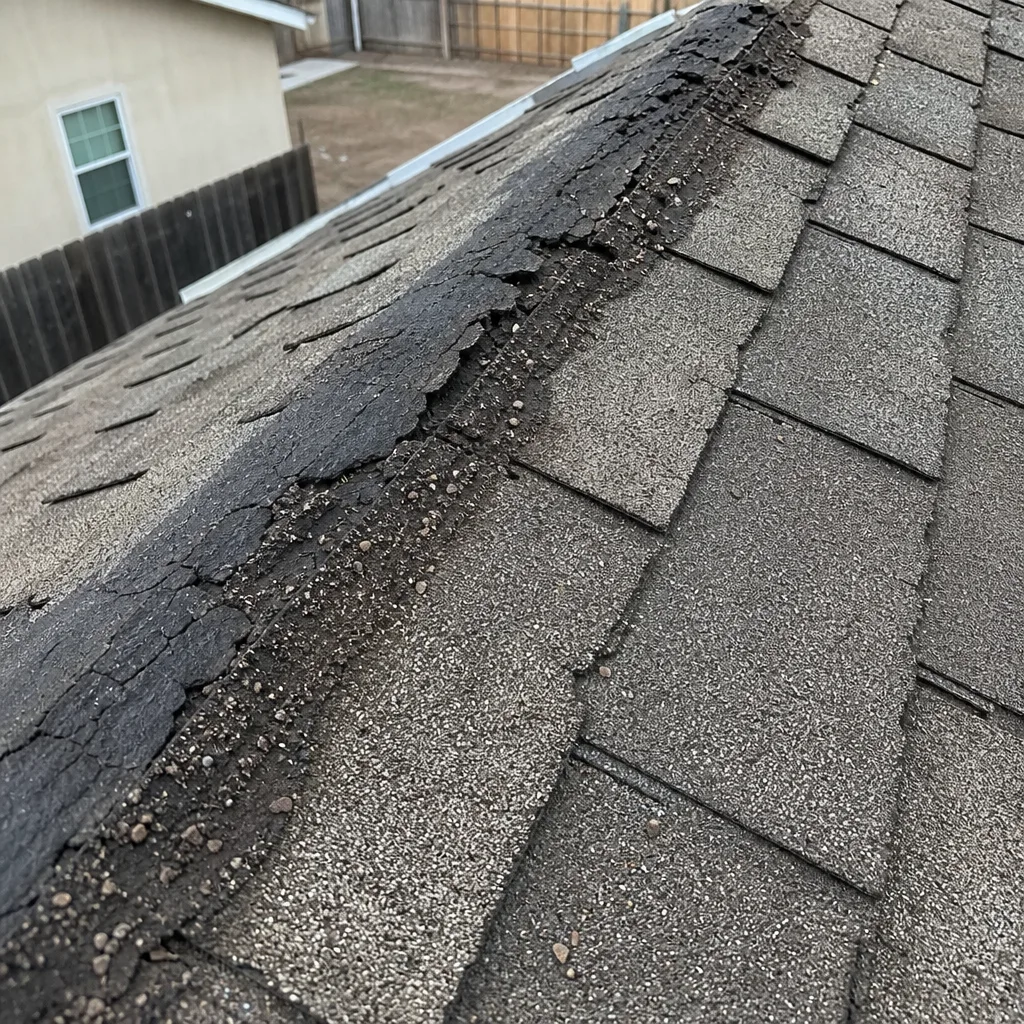
You should call a roofer before you see a leak. San Bernardino’s dry climate means roof damage can exist for months without obvious symptoms, then surface catastrophically during the first monsoon storm. If your asphalt shingles are over 18 years old, you’ve noticed granules in the gutters, or you can see curling or lifting shingles from the ground, schedule an inspection. The same goes for tile roofs with cracked or slipped tiles, and metal roofs with loose fasteners or rust streaks. Walking a roof yourself is dangerous, and a professional inspection includes the attic, the flashings, and the ventilation system you can’t evaluate from the lawn. Ridge Cap Roof Repair offers free estimates in San Bernardino – call (866) 361-0798 to schedule yours. From the ridge cap down, we check what other crews overlook.
Frequently Asked Questions
A new architectural asphalt roof on a typical San Bernardino home costs $9,000 to $18,000 complete, including tear-off, materials, labor, and permits. A concrete tile roof runs $16,000 to $28,000 for the same home. Standing seam metal falls between $20,000 and $36,000. These ranges assume a 2,000 sq ft home with standard pitch and minimal deck repair. Call (866) 361-0798 for a line-by-line estimate specific to your roof.
The variation comes from scope, not profit margin. Some contractors include permit fees, deck repair allowances, drip edge, valley metal, and named materials. Others omit these items and present a lower number. When you compare line by line, the bids usually land within 10% of each other. The honest way to compare is to ask for the same named material, the same scope, and a per-sheet deck price from every bidder.
Deck repair adds $65 to $95 per sheet replaced, and a 20-year-old San Bernardino home typically needs 5 to 15 sheets. That’s $325 to $1,425 on average, but homes with long-term water intrusion or termite history can need substantially more. Always ask for a per-sheet price in the original bid so the cost is transparent when tear-off reveals the deck’s true condition.
Yes, a permit is required for any roof replacement involving structural work, which includes deck repair and most tear-offs. A simple reroof over existing decking may qualify for an over-the-counter permit, but the majority of full replacements require one. The permit and inspection process adds $350 to $900 but protects you from code violations, insurance claim denials, and resale complications.
Most asphalt reroofs in San Bernardino are complete in 1 to 3 days of on-site work, plus 1 to 2 weeks for permit processing and inspection scheduling. Tile roofs take 5 to 8 days. The timeline stretches if deck repair is extensive or if the project requires structural reinforcement. A detailed bid should state the expected duration and the number of inspections included.
Cool-roof architectural asphalt is the best balance of cost, performance, and Title 24 compliance for most San Bernardino homes. It reflects heat, handles thermal expansion, and carries strong manufacturer warranties. Concrete tile offers superior fire resistance for foothill areas. Standing seam metal offers the longest lifespan and best energy performance if budget allows. The right material depends on your home’s structure, your roof’s pitch, and your budget, which is why the inspection should come before the product conversation. For more guides & resources on choosing and maintaining your roof, see our blog.
The Bottom Line
Roofing costs in San Bernardino are driven by five things: material choice, roof pitch, deck condition, access, and whether the contractor is pulling a real permit. Understanding those variables turns a confusing price range into a reconstructable number. When you receive a bid, verify the named material, confirm the permit is included, ask for a per-sheet deck price, and check that drip edge, valley metal, and ventilation are specified. A complete bid costs more than an incomplete one on paper, but it costs less in reality. Roof Replacement in San Bernardino done right protects the home for decades. Done wrong, it costs twice. Repair when it makes sense. Replace when it doesn’t. We inspect before we recommend, and we stand by the work from the ridge cap down.
Written by the team at Ridge Cap Roof Repair, serving San Bernardino since 2018.
See the difference
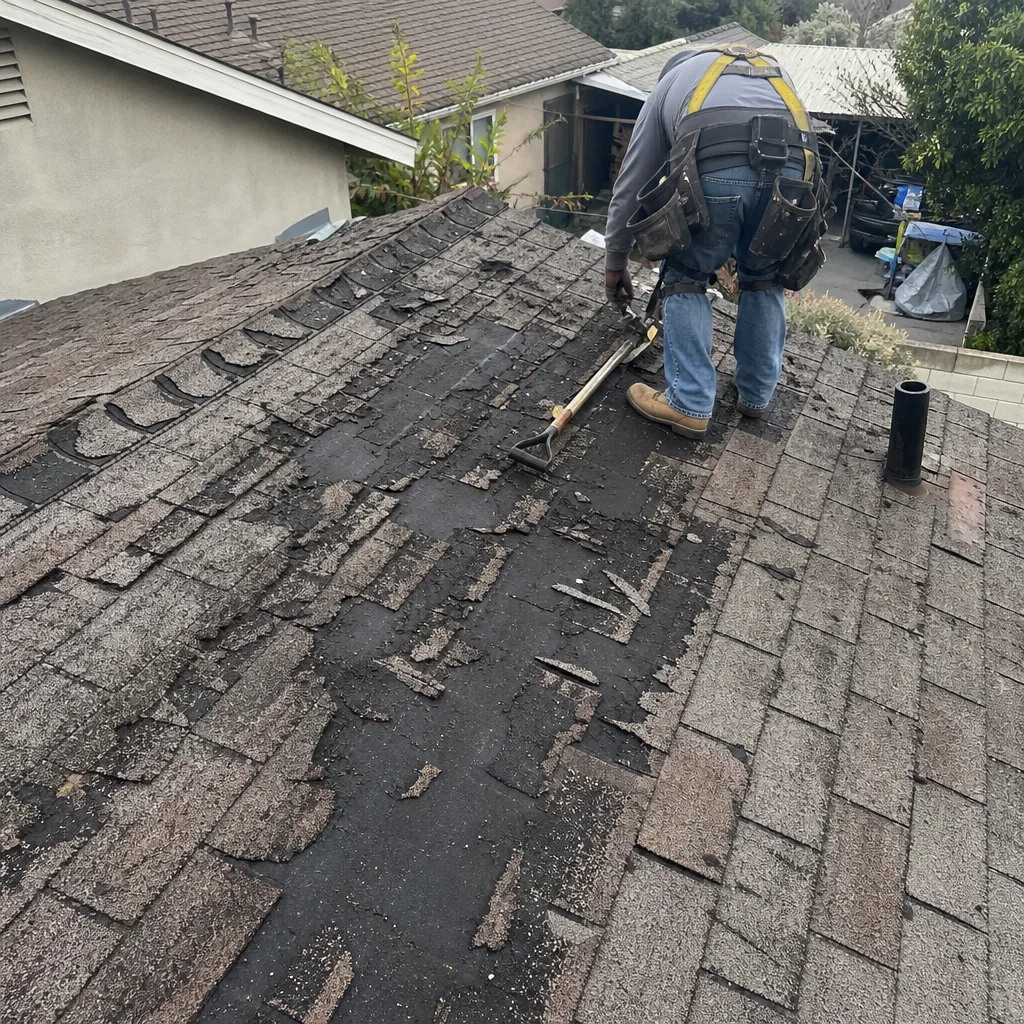 Before
 After
 Before
 After
 Before
 After