Last updated October 30, 2026
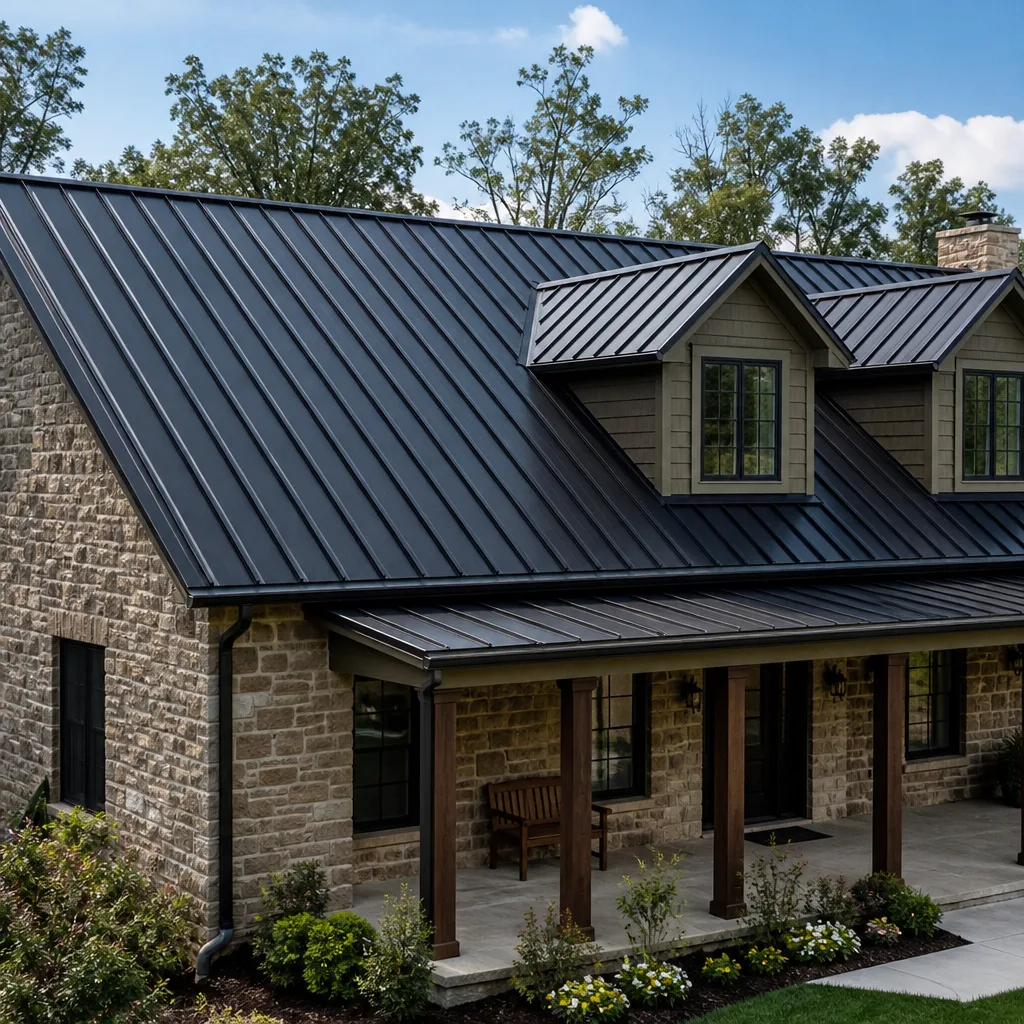 Metal roofing
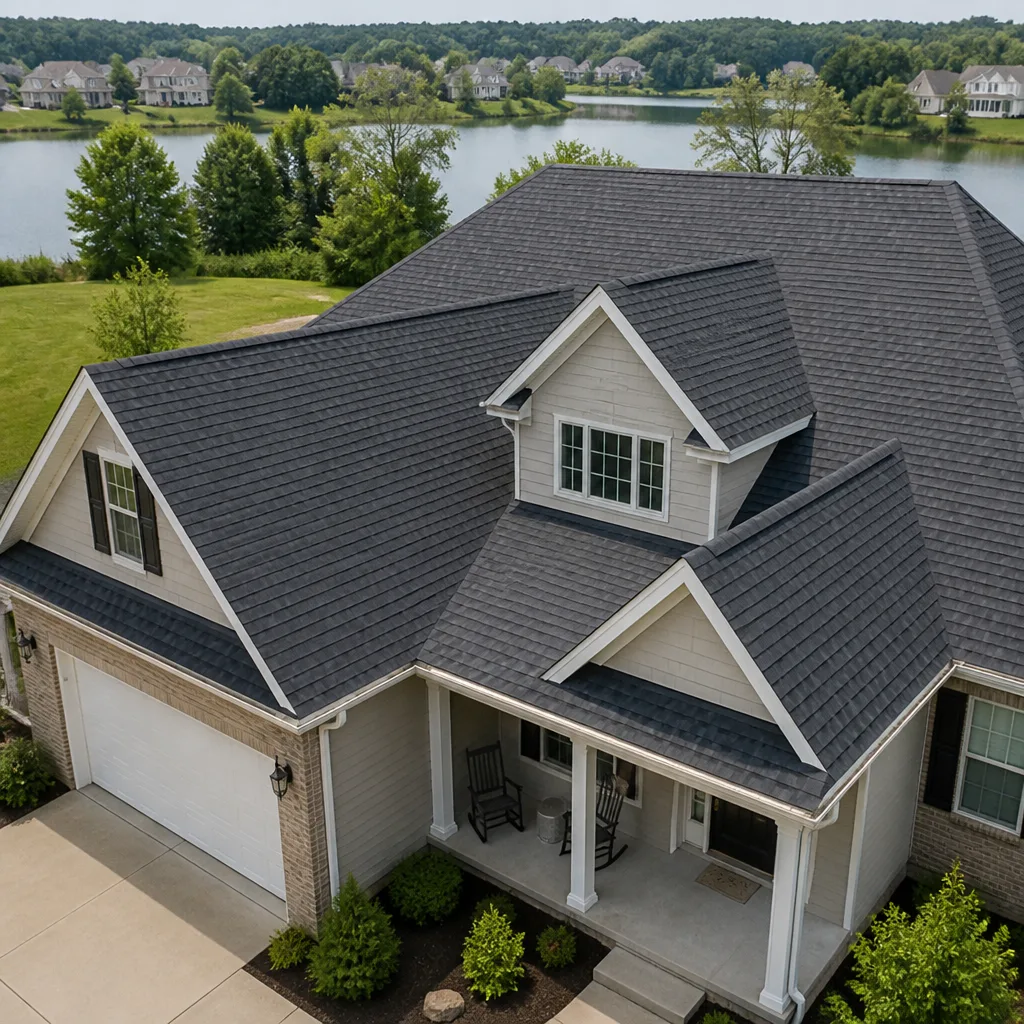
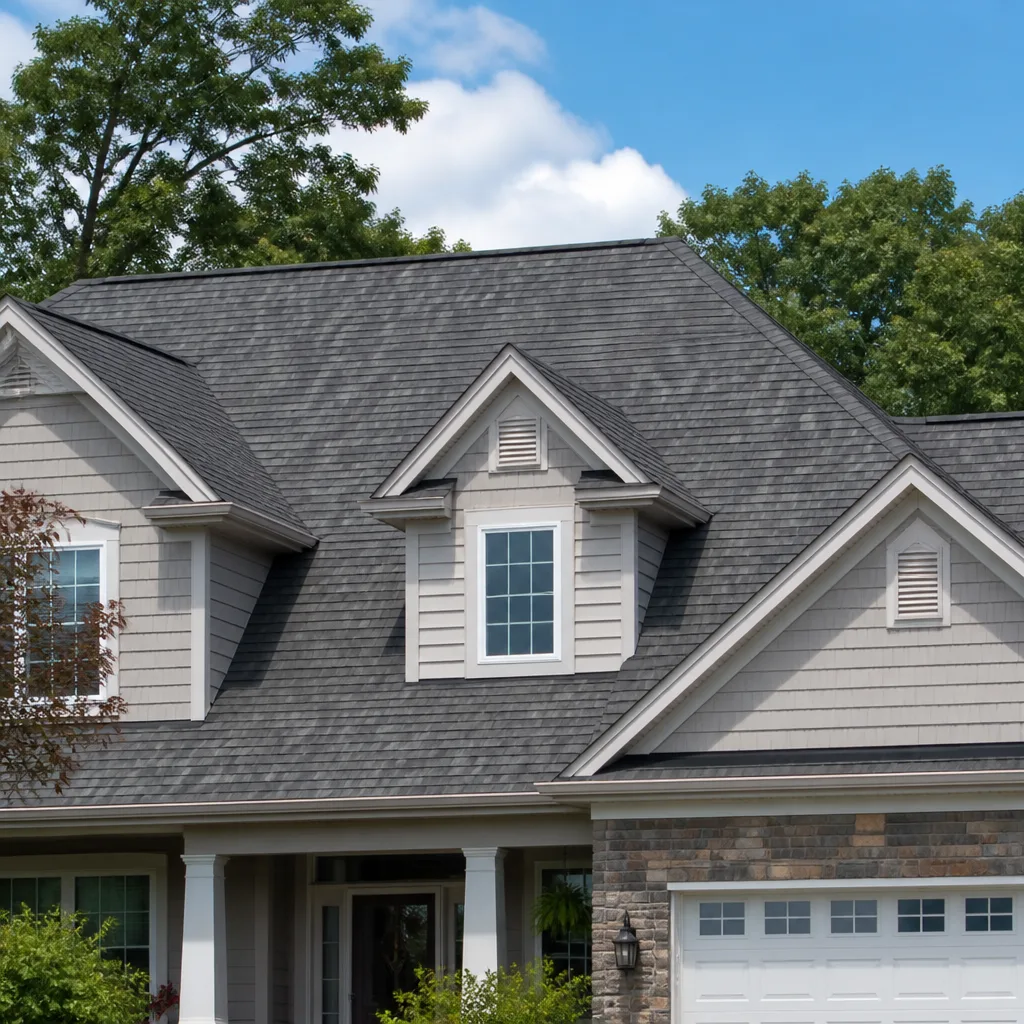
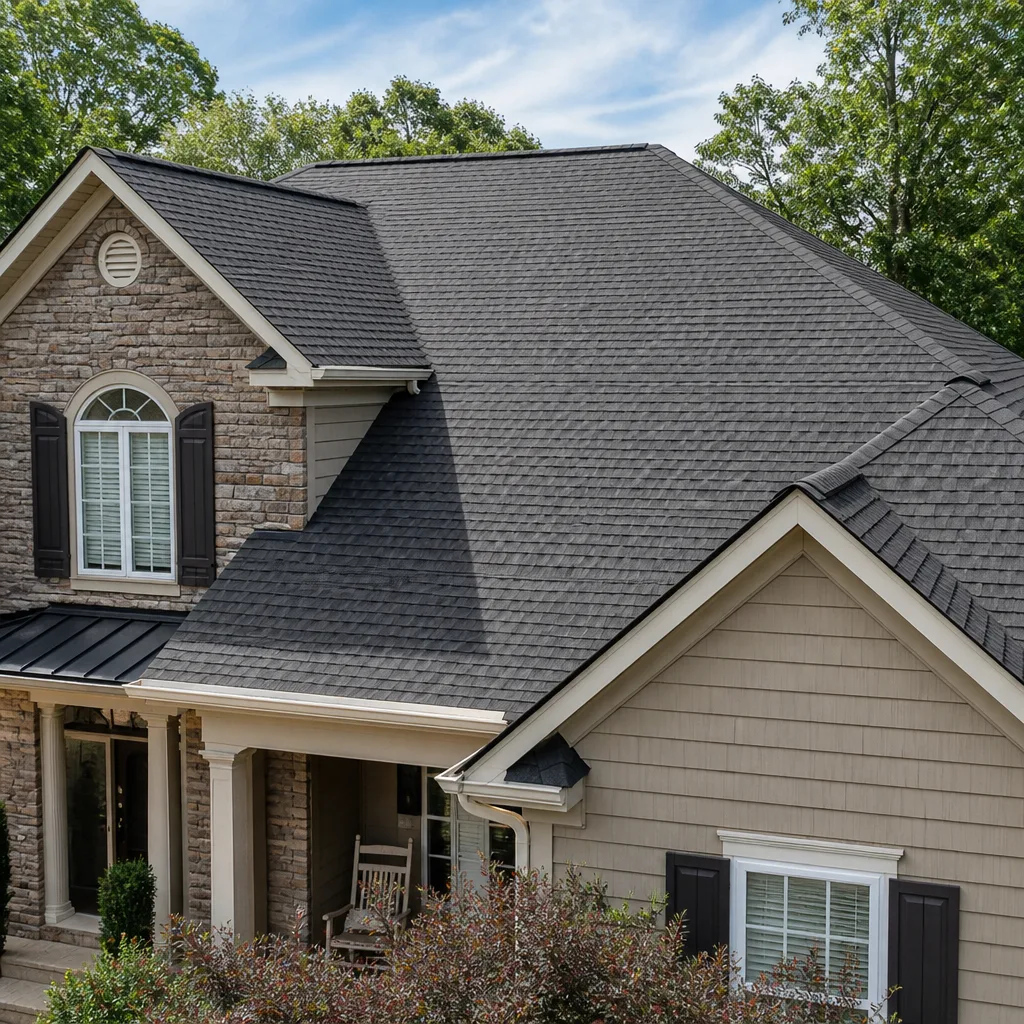 Architectural shingles
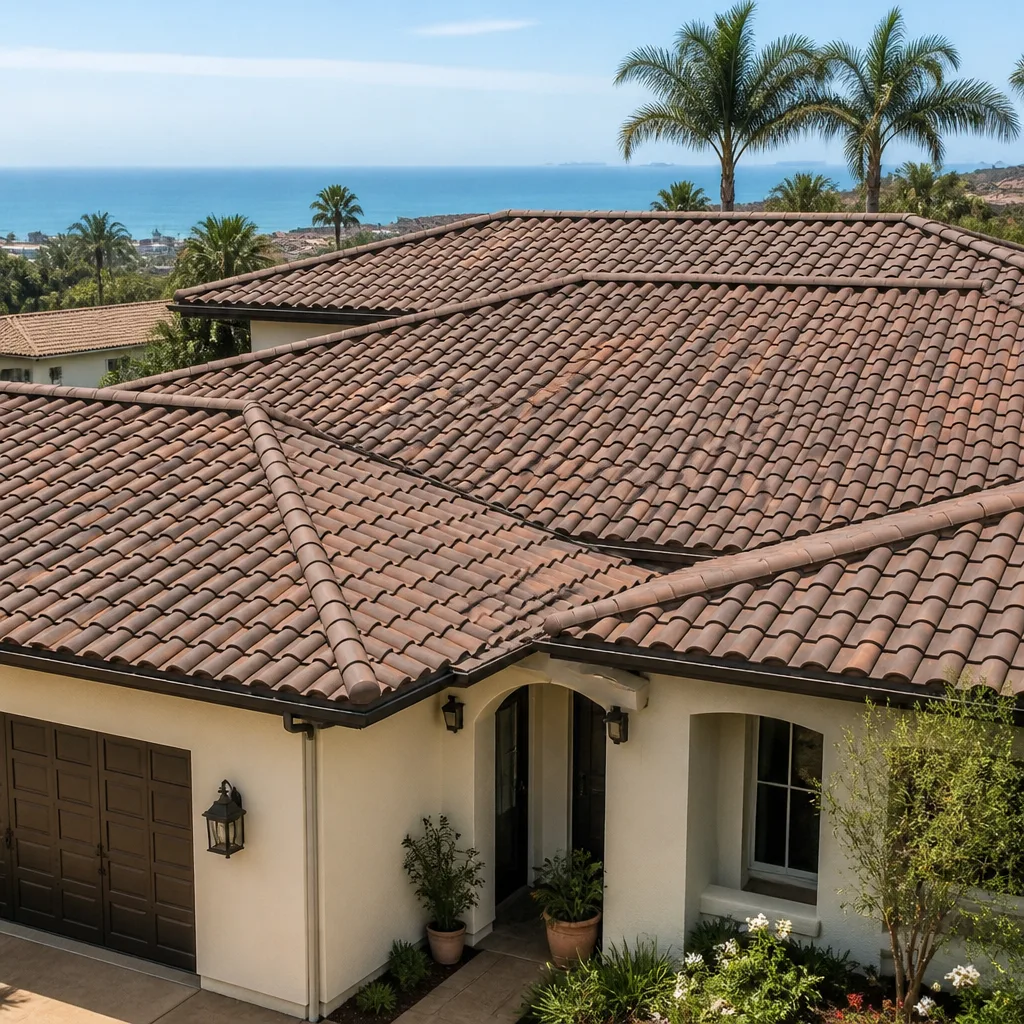 Tile roofing
 GAF
 Owens Corning
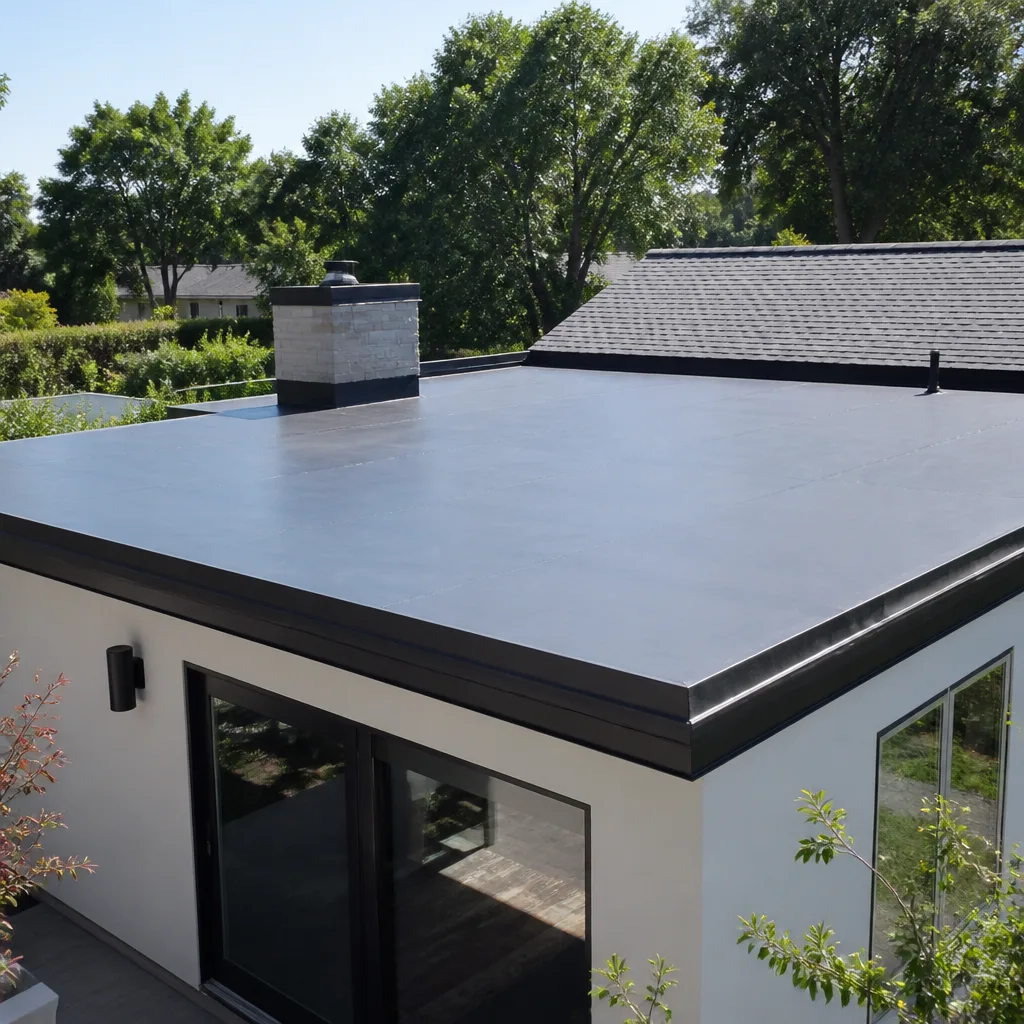 Flat & low-slope
Free roof inspection with deck photos before we talk money - GAF and Owens Corning certified installation
The Complete Guide to Roofing in San Bernardino
San Bernardino logs more than 280 days of sun each year, and that sunshine is doing more damage to your roof than any rainstorm ever will. Most generic roofing advice still treats Southern California as a mild, coastal climate, when the reality here in the Inland Empire is a punishing cycle of ultraviolet exposure, daily temperature swings that can exceed 40 degrees, and seasonal Santa Ana winds that pull at every seam and fastener. This Complete Roof Repair Guide for San Bernardino Homeowners is written for those who want to understand what their roof is actually up against, how local building codes shape material choices, and why the difference between a repair and a replacement should never be decided by someone trying to sell you the bigger job. You’ll learn the specific failure patterns we see in this climate, which materials hold up, and what a legitimate inspection should cover before any estimate is written.
Styles & brands we work with
Quick Answer
Roofing in San Bernardino is defined by three forces that generic guides ignore: intense UV radiation that breaks down asphalt and sealants years faster than manufacturer timelines, daily thermal cycling that loosens fasteners and opens seams, and Santa Ana winds that exploit every weak point in flashing and edge details. A roof here should be evaluated against cool-roof requirements in California’s Title 24 energy code, wind-uplift standards like UL 2218 and ASTM D3161, and wildland-urban interface fire ratings if you live in the foothills. The right starting point for any home over 15 years old is a full-lifecycle inspection, not a repair quote.
Table of Contents
- The San Bernardino Climate: What Your Roof Is Actually Up Against
- Thermal Cycling and Why Your Decking and Fasteners Fail Differently Here
- Title 24 Cool Roof Rules and How They Narrow Your Material Choices
- Santa Ana Winds: The UL 2218 and ASTM D3161 Ratings That Actually Matter
- Wildland-Urban Interface Zones and Code-Mandated Fire Ratings
- The Full-Lifecycle Inspection: The Only Honest Starting Point for Older Homes
- Material Matching: How Seven Manufacturers Change the Conversation
- Common Mistakes to Avoid
- When to Call a Professional
- Frequently Asked Questions
- The Bottom Line
The San Bernardino Climate: What Your Roof Is Actually Up Against
San Bernardino sits in a thermal bowl. The city’s inland position means it absorbs heat all day and radiates it back at night, but the mountains trap enough warm air to prevent the marine layer from moderating temperatures the way it does in Los Angeles or Orange County. Summer attic temperatures routinely reach 140 to 160 degrees Fahrenheit, and that heat is cooking your roof from both sides: the sun beats down on the surface while trapped attic air radiates upward against the decking. The result is a roof assembly that lives in a temperature range most manufacturers never intended their products to experience continuously.
Rain is comparatively rare, but when it comes, it often arrives in short, intense bursts. That pattern matters because it means a roof that is not shedding water quickly enough under a downpour will find every small gap in the flashing or underlayment within minutes. A roof that would pass inspection in Seattle can fail in San Bernardino because the volume of water in a twenty-minute storm is more than the drainage details were designed to handle. Combine that with the fact that dry weather hides those gaps for months, and you get a failure pattern where the leak appears long after the actual damage began.
The third factor is dust. The Inland Empire carries a fine particulate load in the air, and that dust settles into every crevice, gutter line, and valley. Over time it becomes a paste that traps moisture against the roof surface, accelerates granular loss on asphalt shingles, and fills weep holes that are supposed to let water escape. Drying cycles bake that dust into a crust that can be surprisingly resistant to natural washing. We’ve pulled handfuls of compacted sediment out of roof valleys in San Bernardino that would rival what you’d find in a desert wash.
None of this is meant to make the climate sound impossible. It is meant to explain why material selection, fastening patterns, and inspection timing all need to be different here than they would be for a coastal California roof. When a homeowner asks us why a 30-year shingle lasted 18 years, the answer is almost always the same: the climate beat it up in ways the warranty math never accounted for. Understanding that dynamic is the first step toward making a smart roofing decision.
Thermal Cycling and Why Your Decking and Fasteners Fail Differently Here
Thermal cycling is the technical term for what happens when a roof expands during the heat of the day and contracts at night. Every material has a coefficient of thermal expansion, and not all materials expand at the same rate. In San Bernardino, where summer days routinely top 100 degrees and nights can drop into the 60s, that daily shift is severe enough to create measurable movement in the roof assembly. The issue is not that the movement exists; it is that every cycle applies stress to the fasteners, the decking joints, and the seams between materials that were installed to be stationary.
What we see in the field is consistent. Fasteners that were driven correctly and snug at installation will, over a decade of daily thermal cycling, begin to back out or loosen by a fraction of a turn. That fraction is enough to let water work its way under the shingle or under the metal flashing. Decking panels, especially OSB, will flex at the edges where they meet, and that flexing will telegraph through to the shingle layer above, creating ridges and eventually cracks. The damage is cumulative and slow, which is why a roof that looks acceptable from the ground can be structurally compromised in ways that only show up during an inspection.
Coastal California homes see temperature swings measured in single digits between day and night. The marine layer moderates everything. A roof in Long Beach or Santa Monica will go through far fewer thermal cycles of the same intensity in a summer than a roof in San Bernardino will go through in a month. That difference is one of the biggest reasons why manufacturer warranties, which are written for national averages, underperform in the Inland Empire. The chemistry of the shingle is not the problem. The physics of the environment is.
So what does this mean for a homeowner? It means that when you are evaluating a roof, the condition of the fasteners and the decking matters as much as the condition of the visible shingle layer. It means that re-nailing a roof that has begun to shed fasteners is sometimes a legitimate repair strategy, but only if the decking is still structurally sound. It means that the inspection you get should include attic access, not just a walk on the roof surface. And it means that when a contractor tells you the roof is fine because the shingles look good from the street, you should find another contractor—our guide to hiring a roofing contractor in San Bernardino explains what to look for. We inspect before we recommend, because in this climate the roof you can see is only half the story.
Title 24 Cool Roof Rules and How They Narrow Your Material Choices
California’s Title 24 energy code has shaped roofing in San Bernardino more than any other regulation in the last two decades. The code requires that most residential re-roofs in the city use cool-roof rated materials that meet minimum solar reflectance and thermal emittance values. The intent is to reduce the urban heat island effect and lower cooling loads on homes during the summer, and the practical effect is that not every shingle or tile you see on a manufacturer’s website is compliant for a full replacement project here.
The specifics matter. Cool roof ratings are measured by two numbers: solar reflectance, which measures how much sunlight the surface bounces back into the atmosphere, and thermal emittance, which measures how efficiently the surface radiates absorbed heat. A material that reflects a lot of solar energy but holds the heat it does absorb is less effective than one that does both. In practice, this means that certain darker asphalt shingles and some traditional clay tiles that absorb significant heat will not pass the prescriptive requirements unless the project uses other compliance measures, which add cost and complexity.
So before a San Bernardino homeowner picks a roof color or material, the Title 24 compliance path should already be on the table. Lighter-colored asphalt shingles with reflective granules generally meet the requirements. Many concrete and clay tile products are manufactured with cool-roof ratings. Metal roofing systems with a reflective coating are among the highest-performing options in the code’s calculation. The point is not that the choices are limited, but that the decision is more structured than most homeowners realize. A contractor who does not mention Title 24 in the first conversation is either assuming you already know or is not thinking through the job correctly.
Working from a material roster that includes Boral and IKO, among others, means the conversation starts with what will actually pass code, match the home’s architecture, and serve the homeowner’s long-term budget. The right material for your roof is not the one that is easiest to stock. It is the one that meets the energy code, handles the climate, and carries a warranty structure that makes sense for the life of the home. Title 24 narrows the field in a useful way: it removes the products that would have failed the energy test anyway.
Santa Ana Winds: The UL 2218 and ASTM D3161 Ratings That Actually Matter
Santa Ana events in San Bernardino are not an occasional nuisance; they are a predictable seasonal condition that occurs when high pressure builds over the Great Basin and pushes air down through the Cajon Pass and the San Gorgonio Pass. Those winds hit the city from the northeast, accelerate as they funnel through the passes, and can sustain speeds of 40 to 60 miles per hour with gusts significantly higher. The roof system that handles a Santa Ana event well is one that has been installed with wind uplift resistance as a design criterion, not an afterthought.
The two ratings that deserve attention are UL 2218 and ASTM D3161. UL 2218 is the impact resistance standard, originally developed for hail but equally relevant for wind-driven debris that Santa Ana events pick up from the surrounding foothills. A material that carries a UL 2218 Class 4 rating has demonstrated that it can withstand impacts from a 2-inch steel ball dropped from 20 feet without cracking or compromising the roof surface. That rating matters when the wind is throwing branches, gravel, and other projectiles at your roof at speed.
ASTM D3161 is the wind uplift standard for asphalt shingles, and it measures how well the shingle system resists being lifted off the deck when wind pressures are applied across the surface. The test results in a classification for wind resistance, typically 60, 90, or 110 miles per hour, that corresponds to the conditions the installation can withstand. For San Bernardino homes in wind-exposed locations, particularly those near the foothills or along the major wind corridors, a shingle system rated at 110 MPH is often the prudent choice. The difference between a roof that holds and one that loses shingles during a Santa Ana event comes down to these ratings and, critically, the fastening pattern used during installation.
Manufacturers like Atlas and Tamko produce shingle lines that carry both UL 2218 Class 4 impact ratings and high wind uplift classifications. The product itself is only half the equation: the installation method, including the number and placement of fasteners, the use of starter strips, and the sealing of the ridge cap, determines whether the rating translates into real-world performance. From the ridge cap down, the details are what keep the roof on the house when the wind comes through the pass.
Wildland-Urban Interface Zones and Code-Mandated Fire Ratings
San Bernardino’s geography places many of its residential neighborhoods in what state fire authorities classify as wildland-urban interface zones, the transition areas where developed land meets open, fire-prone terrain. The foothills, the areas near the national forest boundaries, and neighborhoods like Arrowhead Springs, Verdemont, and the northern stretches of the city all fall under fire hazard severity classifications that carry specific roofing material requirements. Those requirements are not suggestions from an insurance brochure; they are codified in California Building Code Chapter 7A for homes in designated fire hazard zones.
The code requires that roofing materials installed in these zones carry a Class A fire rating, the highest rating available under ASTM E108. Class A materials have demonstrated that they can withstand severe fire exposure from burning brands without igniting, and they include most composition asphalt shingle systems with fiberglass reinforcement, concrete and clay tile, and properly detailed metal roofing. The rating matters because the roof is the single largest surface where wind-borne embers can land and ignite during a wildfire event, and a roof that will not catch fire gives the structure a meaningfully better chance of surviving.
What homeowners often discover when they dig into the insurance side is that their carrier is quietly rating the property based on the roof’s fire classification and the home’s proximity to hazard zones. A roof that does not match the current code for the zone can result in higher premiums, a non-renewal notice, or a requirement to re-roof before a sale closes. That last point matters in a market like San Bernardino, where a significant number of re-roofs are driven by real estate transactions. The buyer wants the roof done before the keys change hands, and the lender wants documentation that the new roof meets the fire code for the address.
For a homeowner in a wildland-urban interface zone, the material conversation is not just about cost per square foot or color preference. It is about whether the product carries the right fire rating for the parcel’s hazard classification, whether the installation details at the eaves and the ridge cap are consistent with Chapter 7A requirements, and whether the work will be documented in a way that satisfies both the building department and the insurance underwriter. These are not optional details. They are the details that determine whether the roof protects the home when it matters most.
The Full-Lifecycle Inspection: The Only Honest Starting Point for Older Homes
Every roof has a lifecycle. It starts with installation, moves through a long middle period of incremental wear, and eventually reaches a point where the cost of maintaining the roof exceeds the cost of replacing it. Where a roof sits in that lifecycle is a factual question that an inspection should answer, and it is the question that determines whether repair or replacement is the right call. For any San Bernardino home over 15 years old, the only honest starting point is a full-lifecycle inspection, not a repair estimate written from a quick look at the damage.
The problem with starting from a repair estimate is that it assumes the answer before the roof has been examined. A contractor who arrives to look at a leak and leaves with a price to patch the area has not assessed the condition of the decking, the fasteners, the underlayment, or the flashing details around the rest of the roof. The patch may hold for a season, but if the roof is in the final third of its lifecycle, the homeowner will be paying for more patches within a few years, and the cumulative cost will exceed what a properly timed replacement would have been. Repair when it makes sense. Replace when it doesn’t. The only way to know which is which is to inspect first.
A legitimate full-lifecycle inspection in this climate should cover at least these items:
- Attic inspection from the inside: looking for signs of decking delamination, fastener back-out, and moisture staining that is invisible from the roof surface.
- Surface granular loss and shingle condition: evaluating whether the mineral surface is degrading from UV exposure and thermal cycling, and whether the shingles are becoming brittle or cracked.
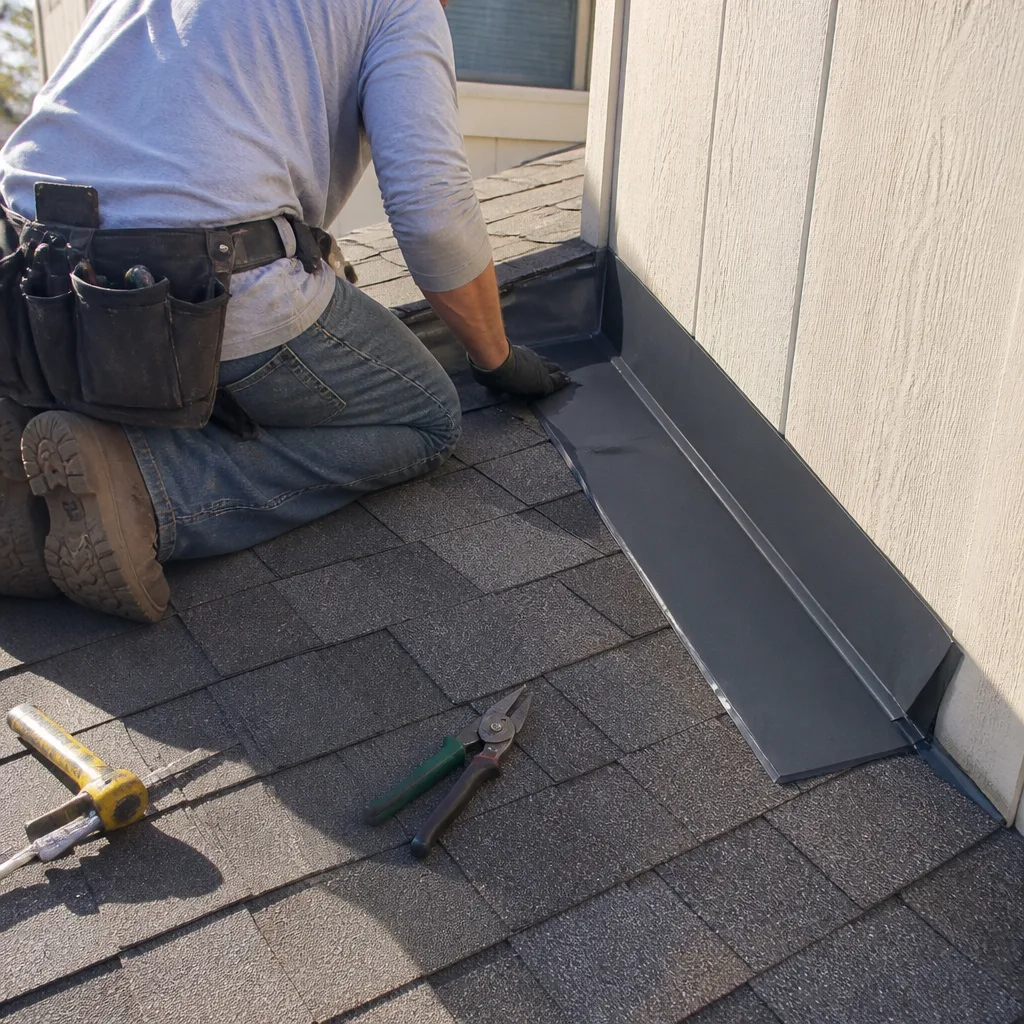
- Flashing inspection at every transition: chimneys, skylights, walls, valleys, and the ridge cap, where the vast majority of wind-driven water intrusion begins.
- Fastener and nail pattern verification: checking whether the original installation pattern matches current wind uplift standards for the location, not just the code minimum at the time of installation.
- Title 24 and fire code compliance assessment: determining what the current code requires for this specific address and whether the existing roof meets it.
- Lifecycle classification: a clear, written assessment of where the roof sits in its expected service life, with a documented basis for the conclusion.
That last item is the one most contractors never deliver. A homeowner should leave an inspection with a clear understanding of the roof’s age, condition, remaining life estimate, and the specific factors driving the recommendation. When the same crew performs the inspection and the work, findings are never lost in translation between separate teams. That continuity is what allows us to stand behind the recommendation, whether it is a repair that buys years of additional life or a replacement that resets the clock.
Material Matching: How Seven Manufacturers Change the Conversation
Most roofing contractors in San Bernardino build their business around one or two manufacturers. There is nothing wrong with that model, but it limits the conversation before it begins. If a crew only installs one shingle brand, then every home that crew works on will get that brand, regardless of whether it is the best fit for the roof geometry, the climate exposure, the fire zone requirements, or the homeowner’s budget. The material decision is made before the inspection happens.
A broader roster changes the conversation in a meaningful way. When a contractor has installation and service experience across multiple manufacturer ecosystems, including Boral, IKO, Atlas, and Tamko, the recommendation is driven by the job’s needs rather than a single product line. A steep-slope roof in a wind corridor will point toward one set of options. A low-slope roof requiring a cool-roof rating will point toward another. A homeowner planning to sell within five years has a different warranty and cost-profile calculation than a homeowner planning to stay for twenty. The right material for your roof is not a slogan; it is the output of a decision process that weighs all of those factors.
We work across seven manufacturers for a simple reason: no single brand makes the best product for every application. Certain architectural shingle lines from Atlas carry exceptional wind ratings. IKO’s Nordic line performs well in high-heat environments. Boral’s concrete and clay tile products offer fire ratings and longevity that asphalt cannot match, at a price point that reflects it. Tamko’s offerings include options that hit a useful middle ground on cost and performance. The names matter less than the matching logic, but the range matters because it means the conversation starts with the home and the climate, not with whatever is in the warehouse.
That said, the material is only as good as the installation. A Class 4 impact-rated shingle nailed in the wrong pattern or a tile roof with a poorly detailed ridge cap will fail regardless of what the product brochure promises. The ridge cap is the highest, most exposed, hardest-wearing detail on any roof, and it is where shortcuts show up first. From the ridge cap down, the installation details are what turn a good product into a roof that performs in this climate. When a homeowner asks us which brand we recommend, the honest answer is that we recommend the one that fits the job, installed with the details done right. Seven manufacturers. One crew.
Common Mistakes to Avoid
- Delaying an inspection because there is no visible leak. By the time a leak shows up on the ceiling, the water has already passed through the decking. In San Bernardino’s dry climate, moisture intrusion can sit undetected for months before the staining reaches the interior. An inspection catches those issues before the damage compounds.
- Choosing a roof color without checking Title 24 compliance. Dark, non-reflective materials that look good in a brochure may not meet the prescriptive cool-roof requirements for a full replacement in the city. The color conversation should happen after the compliance conversation.
- Overlooking the attic during the evaluation. A roof that looks fine from the surface can have decking that is failing from thermal cycling underneath. Any inspection that does not include attic access is an incomplete inspection.
- Accepting a repair estimate without a lifecycle assessment. Patching a roof that is in the final stage of its service life is a short-term expense that often costs more than a properly timed replacement over the same window. The right fix starts with knowing where the roof sits in its lifecycle.
- Ignoring the fire rating for the parcel. Homes in San Bernardino’s wildland-urban interface zones are subject to Chapter 7A requirements that many homeowners never check until their insurer or a home sale brings it to their attention. The fire rating is a code issue, an insurance issue, and a resale issue all at once.
- Skipping wind uplift verification on the fastening pattern. A product with an excellent ASTM D3161 rating only performs that way if the installer follows the fastening pattern the manufacturer specifies for that wind classification. The rating belongs to the system, not the shingle alone.
- Treating all contractors’ inspections as equal. An inspection that does not produce a written lifecycle assessment, a code compliance check, and a documented condition report is not an inspection; it is a sales call with a ladder. Roof Inspection in San Bernardino should always include the full scope.
When to Call a Professional
A homeowner can handle basic observations: noticing missing shingles after a wind event, spotting a water stain on the ceiling, or seeing granules building up in the gutters. But the response to any of those observations should be a professional evaluation, not a do-it-yourself repair—see our DIY vs Professional Roofing guide for San Bernardino homeowners for why. Walking a roof surface is dangerous work, and the pattern of damage in this climate is often invisible from the ground or even from the roof surface itself. A professional inspection includes attic access, fastener verification, and an assessment of the decking condition that no amount of ladder time from a homeowner can replicate.
If you are seeing water stains, shingle granules, or daylight through the attic boards, call a roofer who will inspect before recommending. If you are buying or selling a home in San Bernardino, a pre-transaction inspection can prevent a deal from collapsing over a roof issue discovered at the last minute. Ridge Cap Roof Repair offers free estimates in San Bernardino – call (866) 361-0798 to schedule an inspection, and we will tell you what the roof actually needs. For repair work, see Roof Repair in San Bernardino. For full roof replacement, Roof Replacement in San Bernardino covers the process from tear-off to final inspection.
Frequently Asked Questions
In our experience, an asphalt shingle roof in San Bernardino lasts between 15 and 20 years on average, well short of the 25 to 30 year manufacturer warranty, because UV degradation and thermal cycling accelerate wear in this climate. Tile and metal roofs can last significantly longer when installed correctly, often 40 years or more, but they carry a higher upfront cost. The right answer for your home depends on the material, the installation quality, and the specific exposure of the parcel. Call (866) 361-0798 for an inspection that will give you a realistic remaining-life estimate.
Cool-roof rated materials with high solar reflectance perform best in San Bernardino’s summer heat, and the best choices are typically reflective metal, light-colored concrete or clay tile, and asphalt shingles with cool-roof granules that meet Title 24 requirements. The material that is best for your home also depends on the roof slope, the weight capacity of the structure, and the fire zone classification for the address. An inspection should answer the question for your specific home, not offer a generic material ranking.
Yes, most residential re-roofs in San Bernardino are required to meet California Title 24 cool-roof standards, which set minimum solar reflectance and thermal emittance values for new roofing materials. Lighter-colored asphalt shingles, many tile products, and coated metal roofing generally comply. If you are planning a full roof replacement, the contractor should address Title 24 compliance in the first conversation, not as an afterthought once the material is already ordered.
For homes in wind-exposed areas of San Bernardino, including the Cajon Pass corridor and the foothills, a shingle system with an ASTM D3161 wind classification of 110 MPH is the prudent choice, and a UL 2218 Class 4 impact rating provides additional protection from wind-driven debris. The installation fastening pattern must match the manufacturer’s specification for that rating, or the rating does not apply. Wind resistance is a system property, not a product property.
The honest answer depends on where the roof sits in its lifecycle, which is exactly what a full-lifecycle inspection determines. A roof in its early or middle years with localized damage is often a good repair candidate. A roof in its final years with multiple failing systems will cost more to patch repeatedly than to replace once. Repair when it makes sense. Replace when it doesn’t. We inspect before we recommend, and the recommendation is always based on documented condition, not on what is easier to sell. Call (866) 361-0798 to schedule the inspection that answers the question correctly for your roof.
If your home is in a wildland-urban interface zone, California Building Code Chapter 7A requires a Class A fire-rated roof covering, and your insurance carrier may require documentation that the existing roof meets that standard. Homes in the San Bernardino foothills and areas near the national forest boundary are most commonly affected. If you are unsure about your parcel’s classification, a roof inspection should include a fire code compliance check as part of the scope.
The Bottom Line
San Bernardino roofing is a different discipline than coastal California roofing, and the homeowners who get the longest life from their roofs are the ones who understand that difference. UV exposure, thermal cycling, Santa Ana winds, and wildland-urban interface fire codes are not footnotes; they are the design constraints that should drive every material and installation decision. The right process starts with a full-lifecycle inspection that documents the roof’s actual condition, checks Title 24 and fire code compliance, and produces a clear recommendation to repair or replace based on facts rather than sales pressure. Ridge Cap Roof Repair home is built on that process: seven manufacturers, one crew, and a repair-first philosophy that only recommends replacement when the roof’s condition truly calls for it. From the ridge cap down, the details are what make the difference, and in this climate, the details are everything.
Written by the team at Ridge Cap Roof Repair, serving San Bernardino since 2018.
See the difference
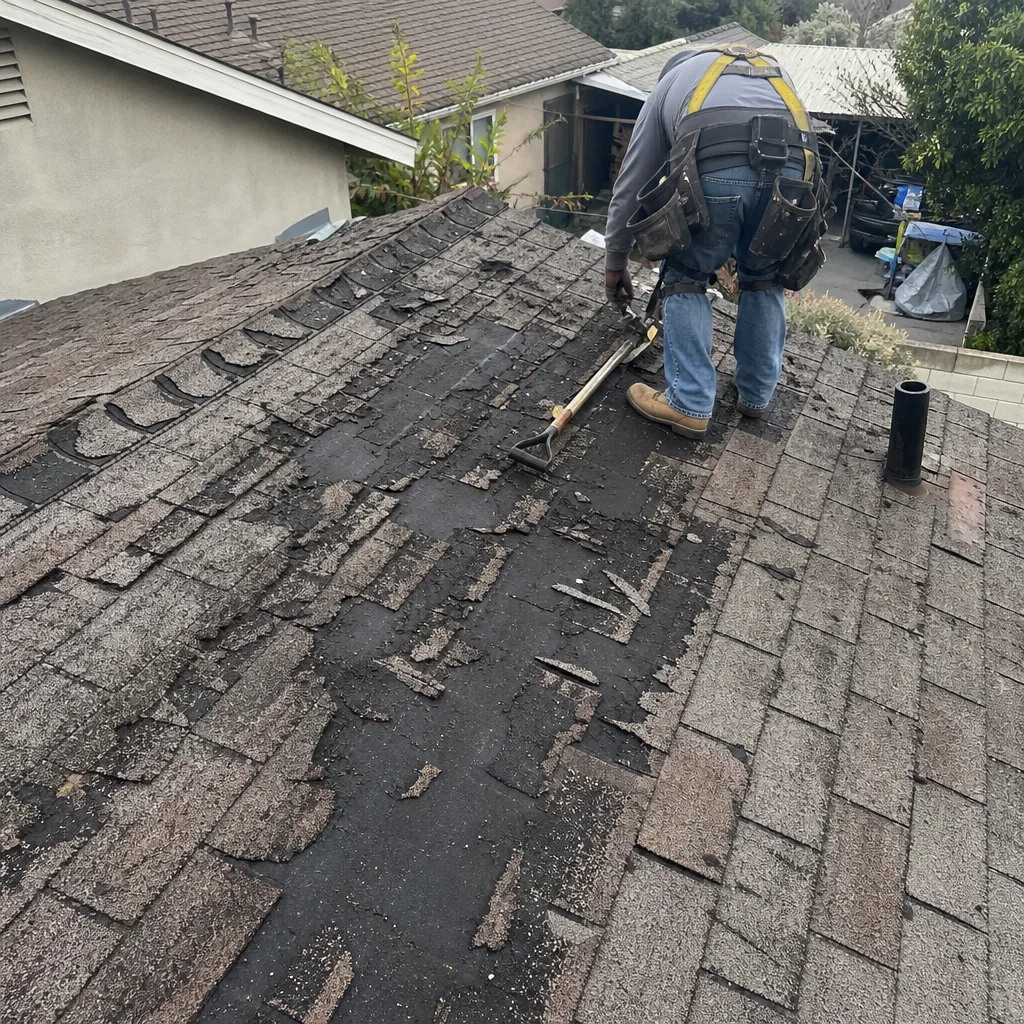 Before
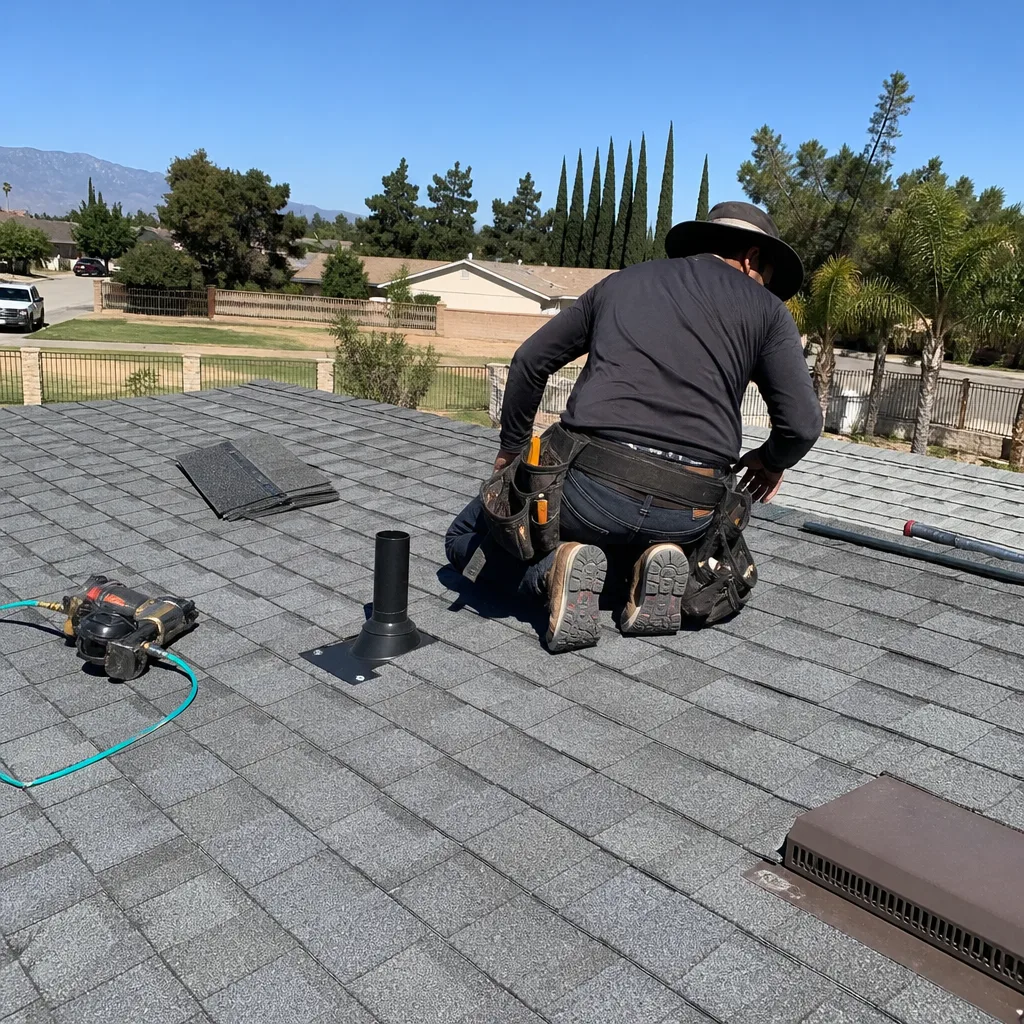 After
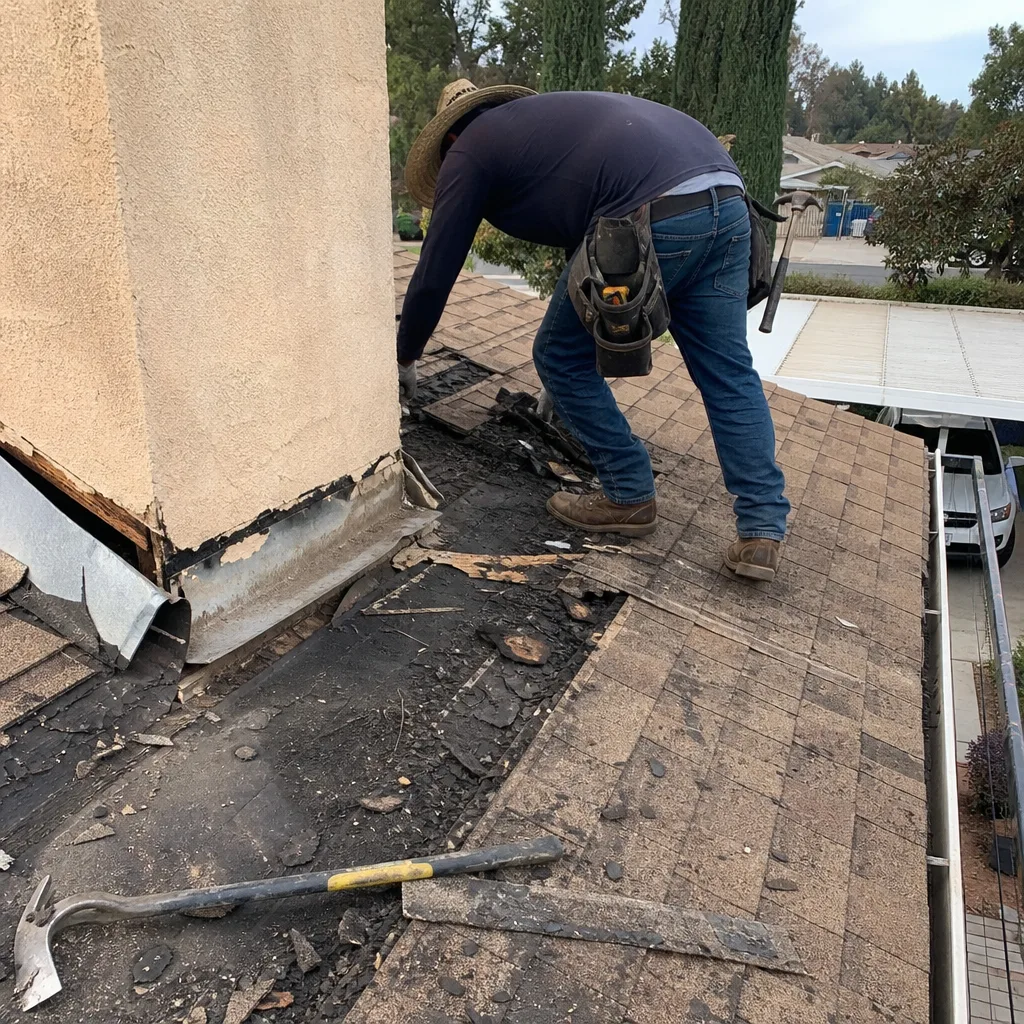 Before
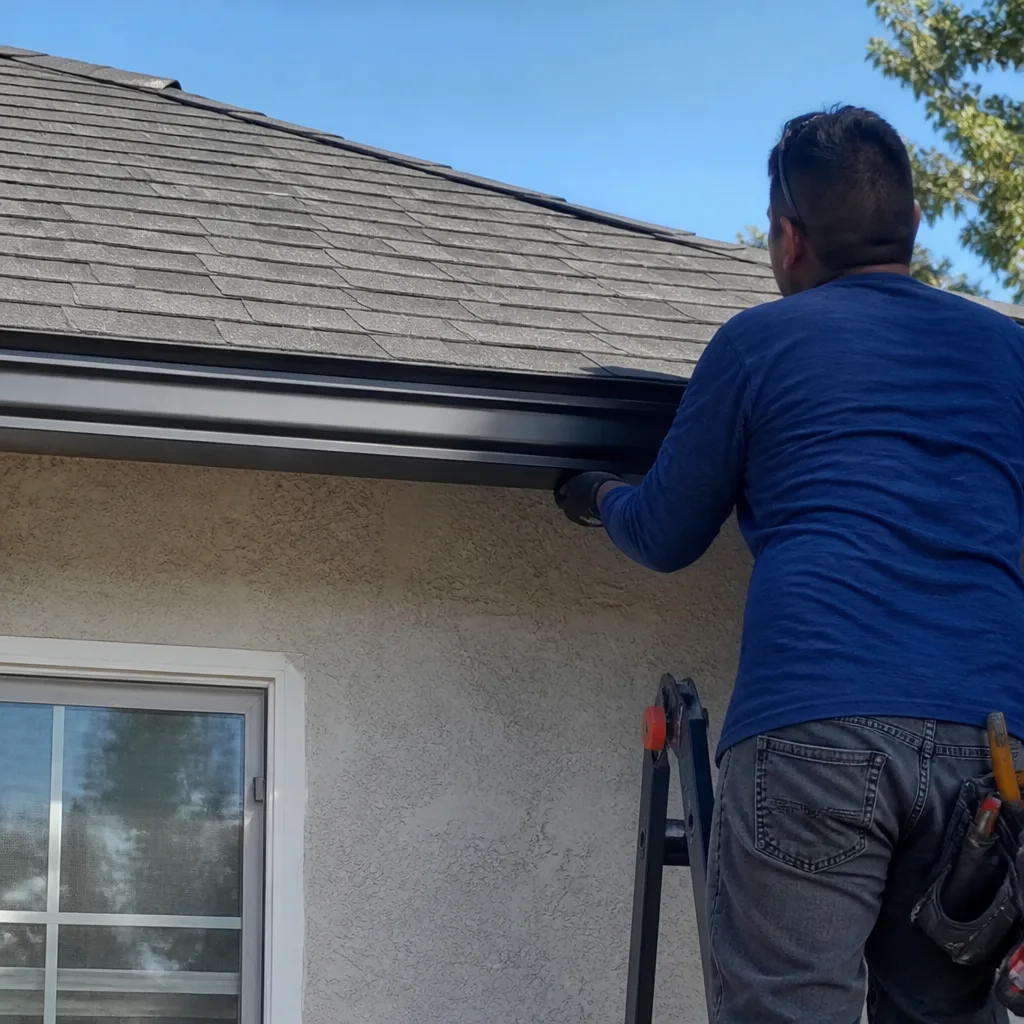 After
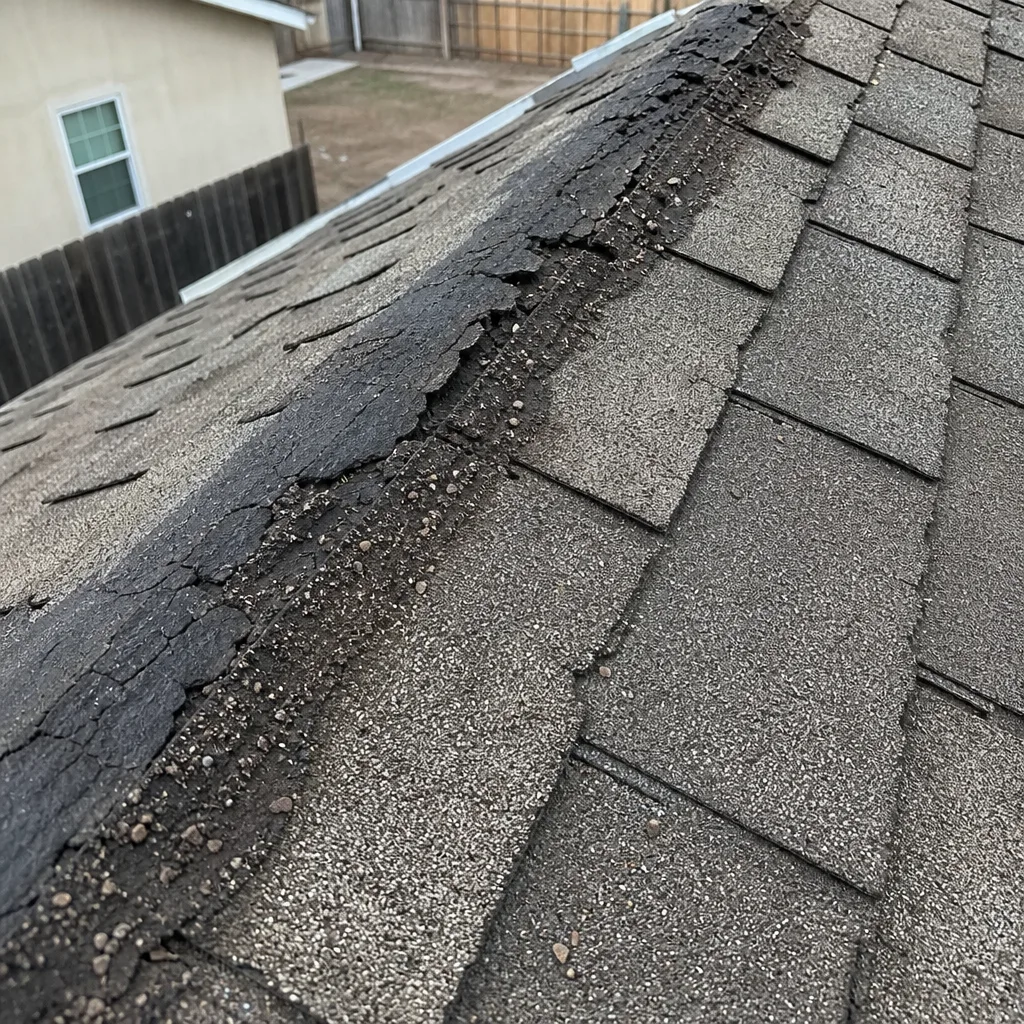 Before
 After