Last updated October 30, 2026
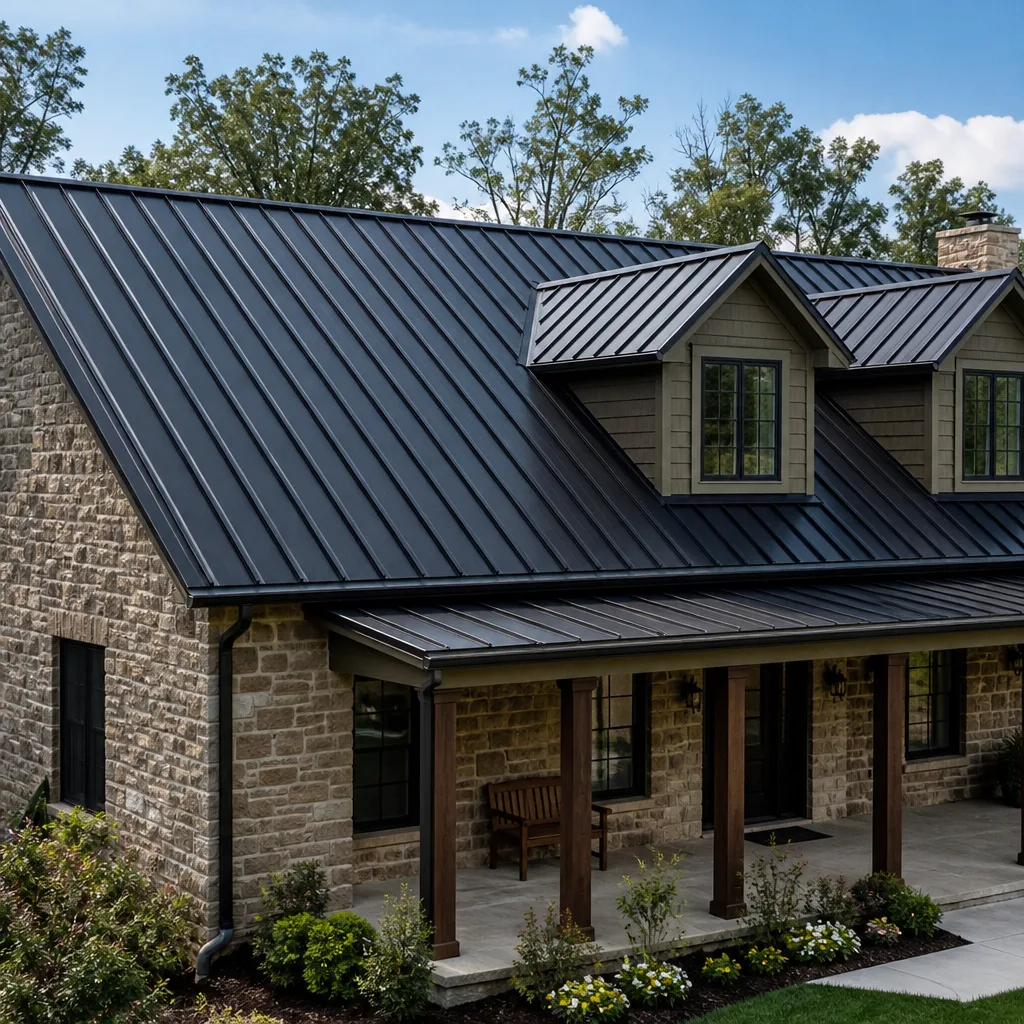 Metal roofing
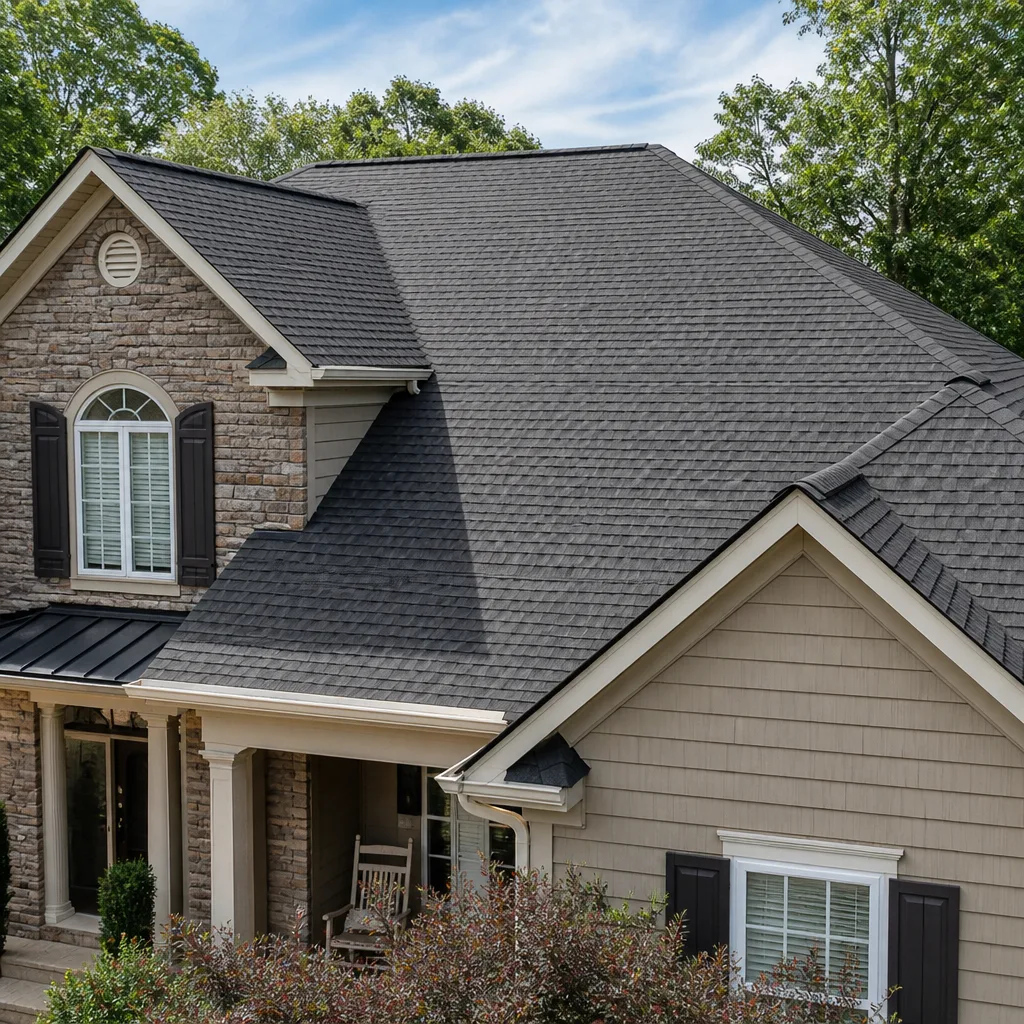 Architectural shingles
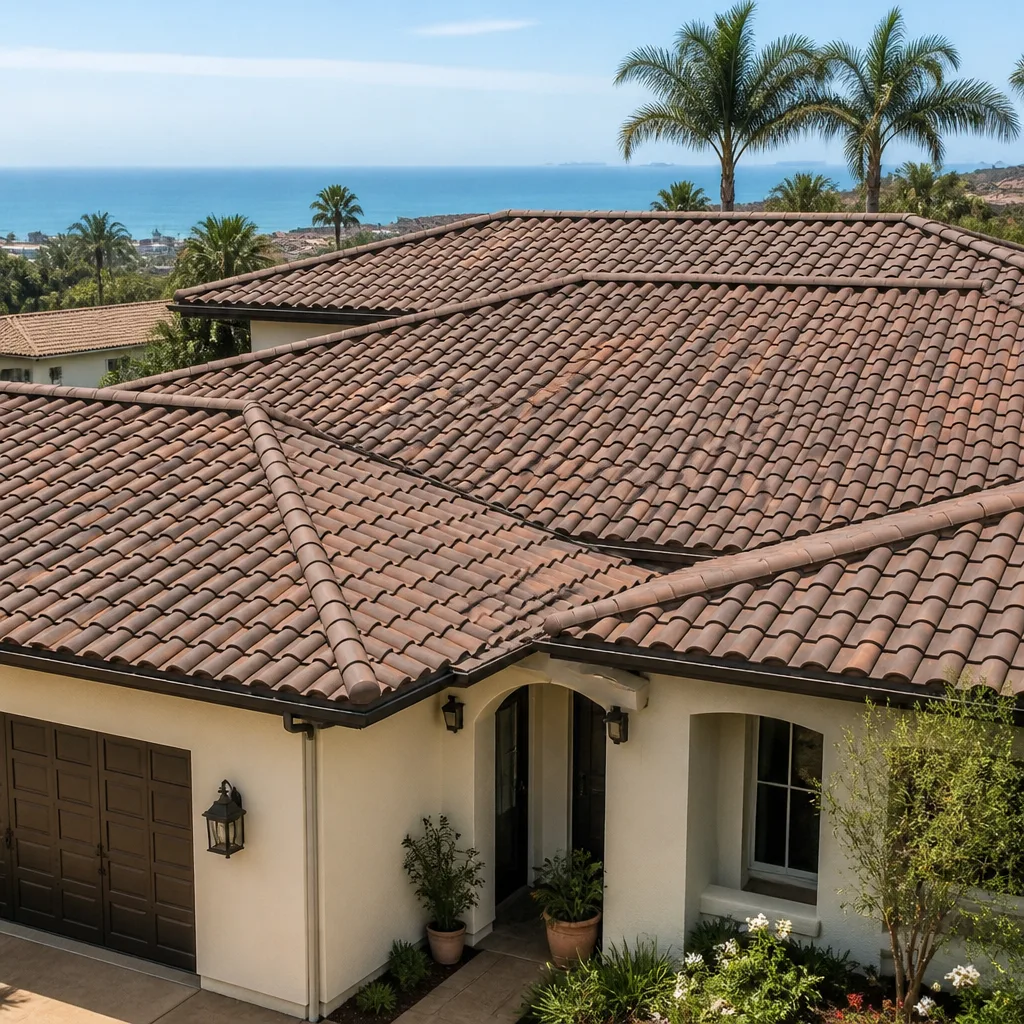 Tile roofing
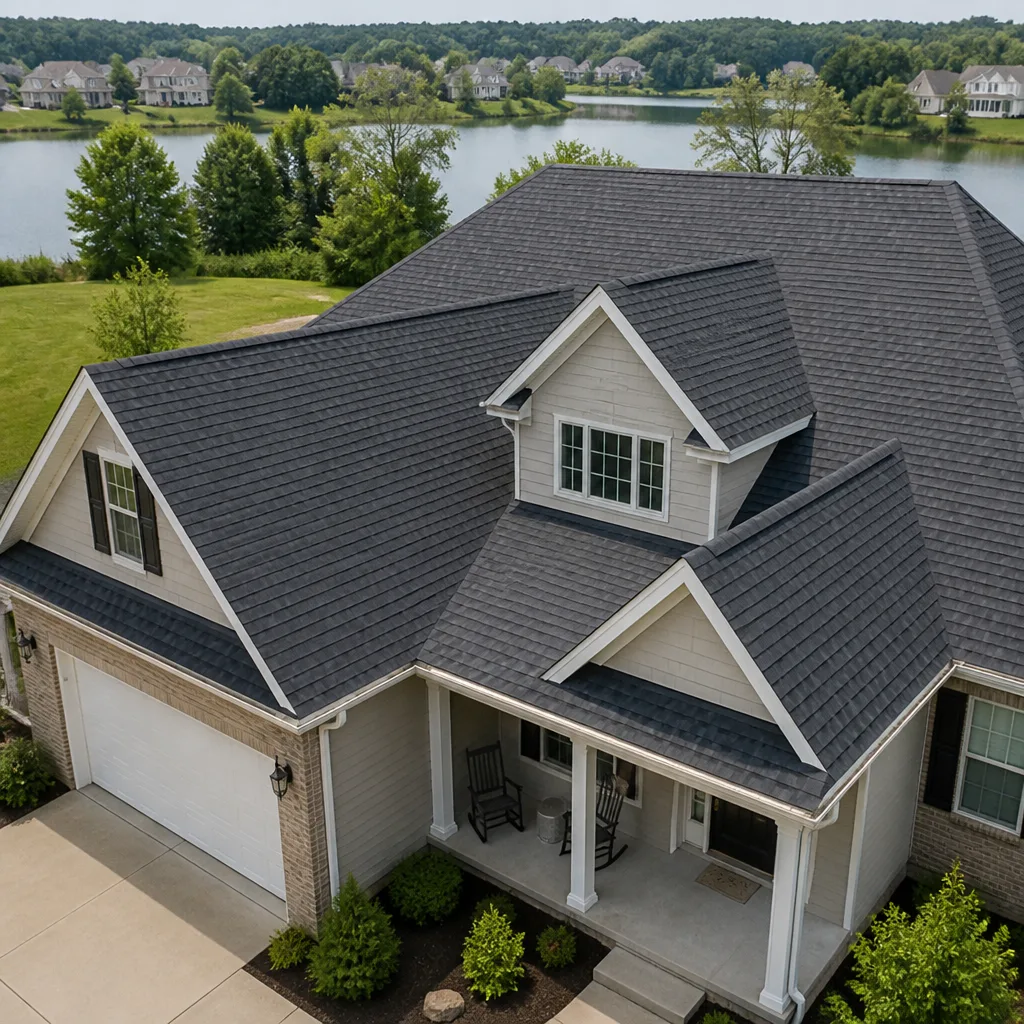 GAF
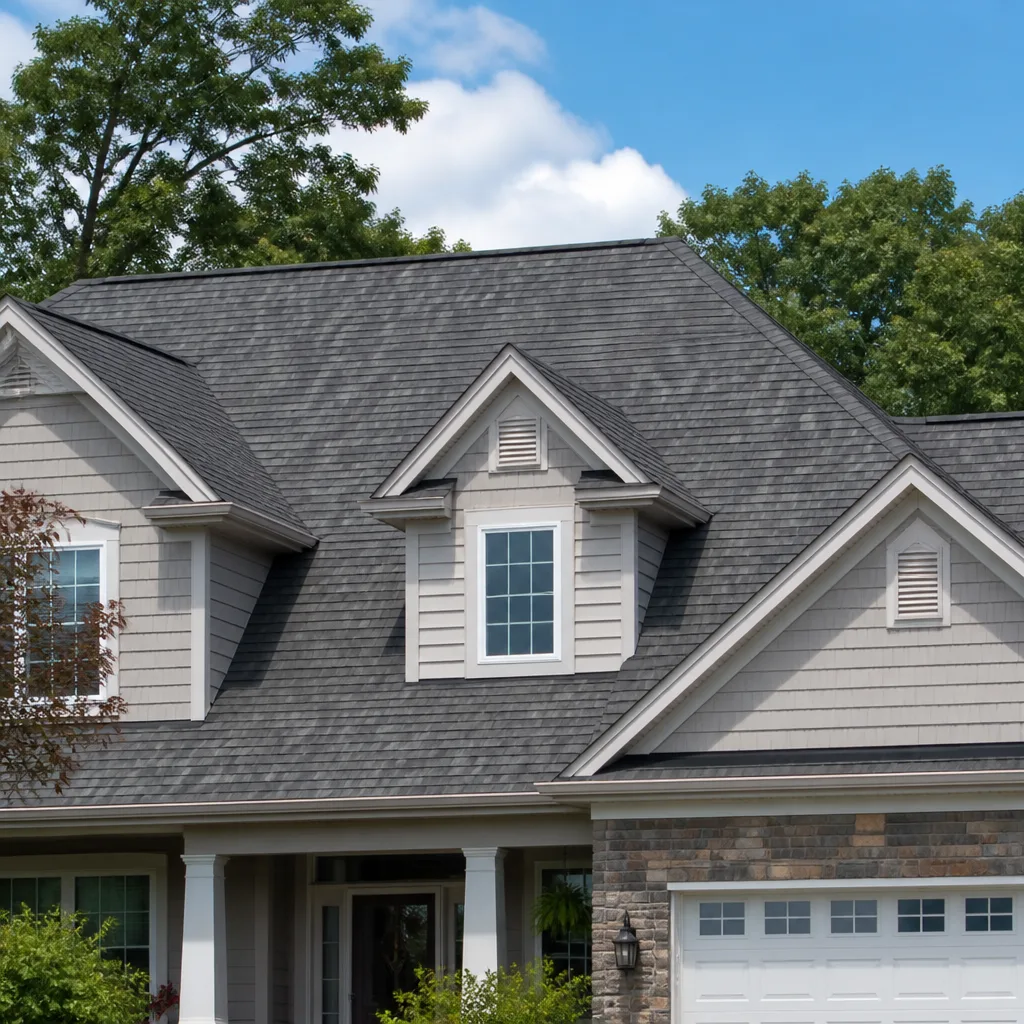 Owens Corning
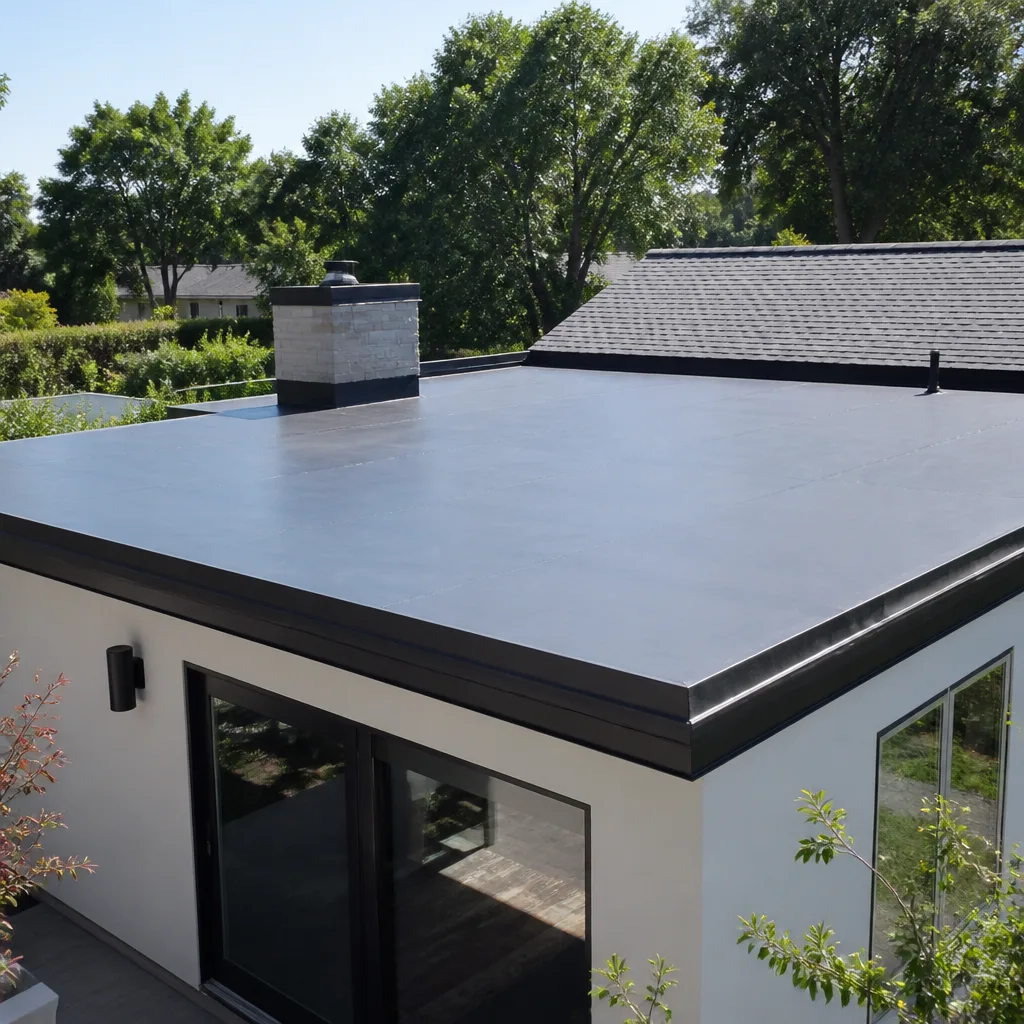 Flat & low-slope
Free roof inspection with deck photos before we talk money - GAF and Owens Corning certified installation
Roofing Permits, Codes & Inspections in CA: What You Need to Know
Here’s a number most San Bernardino homeowners never hear until it’s too late: an unpermitted re-roof is one of the first things an insurance adjuster checks after a fire or wind claim. If the work wasn’t permitted and inspected, the carrier can deny the claim outright, even if the roof itself never caused the damage. That single fact changes the economics of every roofing decision in California. This guide maps the actual permit path in San Bernardino County, from the state codes that set the baseline to the local fire-zone rules that override them. For more context, see our Roofing Warning Signs: A San Bernardino Homeowner’s Reference Guide. You’ll learn what triggers a permit, what inspectors actually check, what Title 24 cool roof compliance means on a practical level, and how HOA requirements interact with code requirements when the two collide.
Styles & brands we work with
Quick Answer
Most roof replacements and any structural roof repair in California require a building permit from the local jurisdiction, in this case the City of San Bernardino or San Bernardino County depending on your address. Simple repairs under specific thresholds may be exempt, but any re-roof in a Fire Hazard Severity Zone must use Class A-rated materials and pass a specific inspection sequence. The permit process typically takes 1 to 3 weeks for approval, and you’ll need your contractor to pull it, schedule inspections, and close it out before the work is considered legal.
Table of Contents
- When a Roofing Permit Is Required in California
- San Bernardino County Fire Zones and Class A Roofing Requirements
- Title 24 Cool Roof Compliance: What Actually Matters
- The San Bernardino County Inspection Sequence
- HOA Approval vs. Code Compliance: The Parallel Process
- Permit Costs and Timeline in San Bernardino
- Common Mistakes to Avoid
- When to Call a Professional
- Frequently Asked Questions
When a Roofing Permit Is Required in California
California Building Code section 105.1 is the starting point: any building or structure erected, constructed, enlarged, altered, repaired, moved, improved, removed, converted, or demolished requires a permit unless specifically exempted. Roofing work falls squarely under “altered” and “repaired” in most cases, but the state grants local jurisdictions the authority to define exemptions. That’s where it gets confusing, because what passes as a repair in one California city requires a full permit in the next.
The practical thresholds in San Bernardino and most of the Inland Empire are:
- Full re-roof (tear-off and replacement): Always requires a permit. No exceptions.
- Re-roof overlay (second layer over existing shingles): Requires a permit and is often restricted. California allows a maximum of two layers of asphalt shingles on a roof. If you already have two layers, a tear-off is mandatory.
- Repairs under 100 square feet: Generally exempt from permit requirements in San Bernardino County if the repair does not involve structural components like decking or framing.
- Repairs over 100 square feet: Requires a permit, particularly if decking or underlayment is being replaced.
- Structural repairs (truss or rafter replacement): Always requires a permit and usually a structural engineer’s review.
The critical detail most homeowners miss is that the repair threshold is often interpreted cumulatively. Three separate 40-square-foot repairs made over six months can trigger a permit requirement when an inspector sees the total scope. We’ve had San Bernardino homeowners show us patchwork across a whole slope and then express surprise that the city views it as an unpermitted re-roof. The safe rule: if the repair involves removing underlayment or replacing decking, expect a permit.
For a deeper look at repair-specific thresholds and what our team typically encounters, see the Roof Repair in San Bernardino page. And if you’re planning to replace rather than repair, the Roof Replacement in San Bernardino page walks through the full scope decision process.
San Bernardino County Fire Zones and Class A Roofing Requirements
This is where most statewide guides fall short. California’s 2022 Fire Hazard Severity Zone maps, updated by CAL FIRE and adopted locally, define three zones: Moderate, High, and Very High. Large portions of San Bernardino County, especially in the foothills and mountain communities, fall into High or Very High zones. If your property is in one of these zones, your roofing material choices are constrained by Chapter 7A of the California Building Code, which mandates Class A-rated roof assemblies.
Here’s how to check your zone:
- Visit the San Bernardino County Land Use Services website and navigate to the Fire Hazard Severity Zone map viewer.
- Enter your address or parcel number. The map will display your zone designation as Moderate, High, or Very High.
- If you’re in the City of San Bernardino, the city uses the same CAL FIRE maps but has its own adoption ordinance. Check the city’s building department page for a link to the same viewer.
- Print or screenshot your zone result. Your roofer should ask for this before recommending materials.
What does Class A actually mean? It’s a fire-resistance rating assigned to the entire roof assembly, not just the shingle. The assembly includes the deck, underlayment, and covering. Class A assemblies can withstand severe fire exposure without igniting. Most asphalt shingles from major manufacturers carry Class A fire ratings when installed with the manufacturer’s specified underlayment, but not all do. Concrete tile, clay tile, and certain standing seam metal roofs also test as Class A.
In our experience working across San Bernardino neighborhoods from Verdemont to Arrowhead, roughly forty percent of residences sit in High or Very High zones. That means the material conversation starts not with color or cost but with the fire zone map. Brands like Owens Corning and Atlas have specific Class A-rated product lines engineered for wildfire region installs, but the rating depends on the full approved assembly. A shingle that tests Class A over one underlayment may not carry that rating over a different underlayment.
Here’s a practical table of common roofing materials and their typical fire classifications for San Bernardino County zones:
| Material | Typical Fire Rating | Allowed in High/Very High Zones? |
|---|---|---|
| Asphalt shingles (Class A assemblies) | Class A | Yes, with approved underlayment |
| Concrete tile | Class A | Yes |
| Clay tile | Class A | Yes |
| Standing seam metal | Class A | Yes |
| Wood shake or shingle | Class C or unrated | No in High/Very High; restricted elsewhere |
| Single-ply membrane (low slope) | Varies by assembly | Check manufacturer listing |
The enforcement mechanism in San Bernardino County is the inspection itself. The roof deck inspection, described below, verifies that the underlayment matches the Class A assembly listed for the covering. If an inspector sees non-rated felt under a product that requires a specific synthetic underlayment, the inspection fails and the crew redoes that section.
Title 24 Cool Roof Compliance: What Actually Matters
Title 24, Part 6 of the California Energy Code, sets minimum energy performance standards for residential buildings. For roofing, this means cool roof requirements: materials must meet minimum aged solar reflectance and thermal emittance values. The exact numbers depend on your climate zone and roof slope.
San Bernardino is in California Climate Zone 10. For low-slope roofs (2:12 or less), the cool roof requirement is an aged solar reflectance of 0.63 and thermal emittance of 0.75, or a Solar Reflectance Index (SRI) of 75. For steep-slope roofs (greater than 2:12), the requirement is an aged solar reflectance of 0.20 and thermal emittance of 0.75, or an SRI of 16.
Here’s what that means on the ground:
- Aged values, not initial values. Products are tested after three years of weathering. The CRRC (Cool Roof Rating Council) database lists both initial and aged values. Builders and inspectors use aged values for compliance.
- Product labeling. Compliant products carry a CRRC product ID. You can search the CRRC directory by manufacturer and product name. Most major shingle lines from Owens Corning, IKO, and Tamko have CRRC-rated cool color options that meet steep-slope requirements without forcing you into white or pale colors.
- The “cool colors” misconception. Many homeowners assume a cool roof must be white. That’s true for low-slope, where reflectance requirements are higher. For steep-slope asphalt shingles, the aged reflectance threshold is much lower, so darker cool-color shingles often pass. A dark charcoal shingle with reflective granules can meet SRI 16.
- Exemptions exist. A re-roof over existing sheathing that is not part of a larger addition or alteration may qualify for reduced cool roof requirements in some interpretations, but San Bernardino County has been strict about applying Title 24 to full re-roofs. Don’t assume an exemption; verify with the building department or your roofer.
The inspection implication: your roofer must list the CRRC product ID on the permit application or provide a compliance certificate. If the roofer can’t, the permit won’t clear final inspection. We’ve seen jobs held up at final only because nobody documented the shingle’s CRRC rating at the start of the process.
Before recommending any material, we inspect the existing roof and verify the compliance path. That’s the right order for any San Bernardino roof, especially in fire zones. Our process is outlined on the Roof Inspection in San Bernardino page. The inspection informs the spec, and the spec drives the permit, not the other way around.
The San Bernardino County Inspection Sequence
Once the permit is issued, the work progresses through a fixed inspection sequence. The City of San Bernardino and San Bernardino County both follow the same three-stage model for residential re-roofs. Here’s the exact order, along with the failures we see most often at each stage.
- Deck inspection (after tear-off, before underlayment). The inspector checks the bare deck for rot, delamination, gaps over 1/4 inch, and proper nailing of any replaced sheathing. The most common failure: a roofer replaces a sheet of OSB but doesn’t clip the panel edges per manufacturer requirements, or the inspector catches multiple sheets with edge swelling that should have been flagged during tear-off.
- Underlayment inspection (after underlayment, before covering). The inspector verifies the underlayment type matches the Class A assembly listed on the permit, checks the overlap (minimum 2 inches side lap, 4 inches end lap for most synthetics), and confirms fastening. The most common failure: using the wrong underlayment for the listed fire assembly, especially in High and Very High Fire Hazard zones.
- Final inspection (after covering, flashings, and clean-up). The inspector walks the finished roof, checks the covering installation, verifies flashings at penetrations and valleys, and confirms the cool roof documentation is on file. The most common failure: missing the final inspection before the contractor gets paid, leaving the permit open on the property, which clouds a future title search.
Each stage requires a separate scheduling call to the building department. Inspections are typically scheduled one to two days out in San Bernardino. A missed inspection can add three to five days to the project timeline, especially during the summer peak when inspection slots fill up.
You, as the homeowner, don’t need to be present for the inspection. The contractor is responsible for being there and for resolving any correction notices. But you should receive a copy of the signed inspection card or the electronic approval for each stage. If your roofer can’t produce that paperwork, that’s a red flag, regardless of how clean the finished roof looks.
HOA Approval vs. Code Compliance: The Parallel Process
Many San Bernardino neighborhoods, particularly master-planned communities, have HOAs with architectural review committees. The HOA approval process runs parallel to the building permit process, and the two occasionally conflict.
The board’s architectural guidelines establish aesthetic standards: colors, material types, and sometimes manufacturer lists. The building permit establishes legal standards: fire rating, structural loading, and energy compliance. Neither automatically defers to the other.
Here’s how the process works in practice:
- You submit your HOA application with the proposed materials and colors. Include the manufacturer name, product line, color name, and CRRC product ID if applicable.
- Your roofer pulls the building permit with San Bernardino County or the City of San Bernardino, listing the same materials for inspection purposes.
- If the HOA rejects a material that the building code requires, or approves a material that doesn’t meet code, the code wins. State and local law supersede private covenants. But the resolution process can take weeks, since you’ll need the HOA’s written approval of the code-compliant alternative.
The conflict we see most often in San Bernardino: an HOA that restricts roof colors to dark earth tones, while the homeowner is already in Title 24 territory. Dark non-reflective shingles may fail the cool roof requirement. The solution is usually a CRRC-rated cool color shingle from a manufacturer that makes dark reflective granules. Brands like IKO and Tamko produce these in earthy tones specifically for the California market. The HOA gets its palette, the code gets its reflectance numbers, and the homeowner doesn’t end up in limbo.
Permit Costs and Timeline in San Bernardino
Roofing permit fees in San Bernardino County generally run between $150 and $500 for residential re-roofs, depending on the project valuation and whether plan review is required. The City of San Bernardino operates under its own fee schedule, which lands in a similar range for standard re-roofs. Structural repairs, especially anything involving trusses, may require a structural engineer’s stamp, which adds $500 to $2,000 to the soft costs.
Plan review time varies by jurisdiction and season. Simple re-roof permits in San Bernardino County often clear in one to two weeks. The City of San Bernardino can take two to three weeks during peak season. Fire zone properties add review time, since the plans person must verify the Class A assembly documentation.
The contractor pulls the permit, not the homeowner. If a roofer asks you to pull your own permit, walk away. That’s a liability shift, and it’s how unlicensed operators avoid scrutiny.
Our material recommendations are driven by the actual roof condition, climate demands, and budget, not by a single product line. We work with seven manufacturers, including Owens Corning, IKO, Atlas, and Tamko, so the permit application lists the product that makes sense for your roof, not the one that’s easiest for us to source. That material-neutral approach matters in a city like San Bernardino, where fire zone requirements and Title 24 thresholds vary block by block.
Common Mistakes to Avoid
- Skipping the permit on a “simple” re-roof. A tear-off and replacement is never a repair. If a roofer suggests skipping the permit to save time or money, that contractor is leaving you with an uninsurable roof and a title defect when you sell.
- Assuming any shingle meets Title 24. Not all colors or lines in a manufacturer’s catalog are CRRC-rated. The specific color you choose must appear in the CRRC directory with aged values that meet Climate Zone 10 thresholds.
- Choosing materials before checking the fire zone. In San Bernardino County, you may be restricted to Class A assemblies. Pick the color first, and you may fall in love with a product that can’t legally go on your roof.
- Letting the roofer skip the underlayment inspection. This stage verifies the fire assembly. Skipping it means the fire rating is unverified, even if the shingle itself carries a Class A label.
- Paying the final invoice before the final inspection. Once a contractor is paid in full, their incentive to close out the permit drops to zero. A permit left open for months is a problem, not an inconvenience.
- Treating HOA approval as a substitute for a permit. HOA sign-off means the board likes the color. It has no legal standing with the building department.
- Believing a repair is “small” enough to avoid a permit because the roofer said so. The roofer doesn’t enforce the code. The building department does. When in doubt, call them and ask whether your specific scope needs a permit.
When to Call a Professional
If you’re looking at a re-roof, structural repair, or any work on a property in a High or Very High Fire Hazard Severity Zone, the permit process is non-negotiable, and the complexity of the paperwork scales with the risk level of the property. The same applies if you’re preparing to sell and need the roof permitted and closed out, or if you’ve inherited a home with an open permit. In those situations, the roofer’s knowledge of San Bernardino County’s specific sequence and documentation requirements saves you weeks of delay.
Ridge Cap Roof Repair home is the starting point for understanding how we approach the full-lifecycle roofing process. From the ridge cap down, we inspect before we recommend, and we handle inspection, repair, and replacement under one team. Ridge Cap Roof Repair offers free estimates in San Bernardino, call (866) 361-0798.
Frequently Asked Questions
A full shingle replacement always requires a permit in San Bernardino and San Bernardino County. The only work that typically doesn’t require a permit is a repair under roughly 100 square feet that doesn’t touch structural components. Call (866) 361-0798 if you’re unsure whether your specific scope needs a permit.
Roofing permit fees in San Bernardino County typically run $150 to $500 for a standard residential re-roof, not including any engineering review if structural work is involved. The exact amount depends on the declared project valuation and which jurisdiction processes your application.
Yes, as long as the architectural shingle is part of a Class A-rated roof assembly and the underlayment matches the manufacturer’s specified listing. In our experience, Owens Corning and Atlas both produce architectural shingle assemblies that pass Class A fire testing for California wildfire zones. Verify the specific assembly, not just the shingle, before committing.
Plan review for a simple re-roof permit in San Bernardino County typically clears in one to two weeks. The City of San Bernardino averages two to three weeks during peak season. Fire zone properties add additional review time because the plans examiner must verify the Class A assembly documentation.
The buyer’s lender or title company flags the unpermitted work during escrow, and you may be forced to either get the work retroactively permitted and inspected, or reduce the sale price. In the worst case, the sale collapses. Retroactive permitting in San Bernardino County usually requires a tear-off to expose the deck and underlayment for inspection.
Title 24 cool roof requirements apply to re-roofs in California when the roof is being replaced, not just to new construction. Exceptions exist in some interpretations, but San Bernardino County has applied Title 24 to full re-roofs consistently. Your roofer should document the CRRC product ID on the permit application.
The Bottom Line
A roofing permit in San Bernardino isn’t red tape; it’s the documented proof that your roof meets fire safety and energy standards, and that proof is what your insurance company and future buyer will expect. Skipping the permit saves a week and a few hundred dollars, but it creates a liability that follows the property for years. The path is predictable: check your fire zone, verify Title 24 compliance on the specific product before you buy it, pull the permit through a licensed contractor, pass the three-stage inspection sequence, and close the permit before final payment. Whether you decide on a repair or a full replacement, the right fix is the one that’s legally documented and inspected. Explore more guides & resources to protect your investment. We inspect before we recommend, from the ridge cap down.
Written by the team at Ridge Cap Roof Repair, serving San Bernardino since 2018.
See the difference
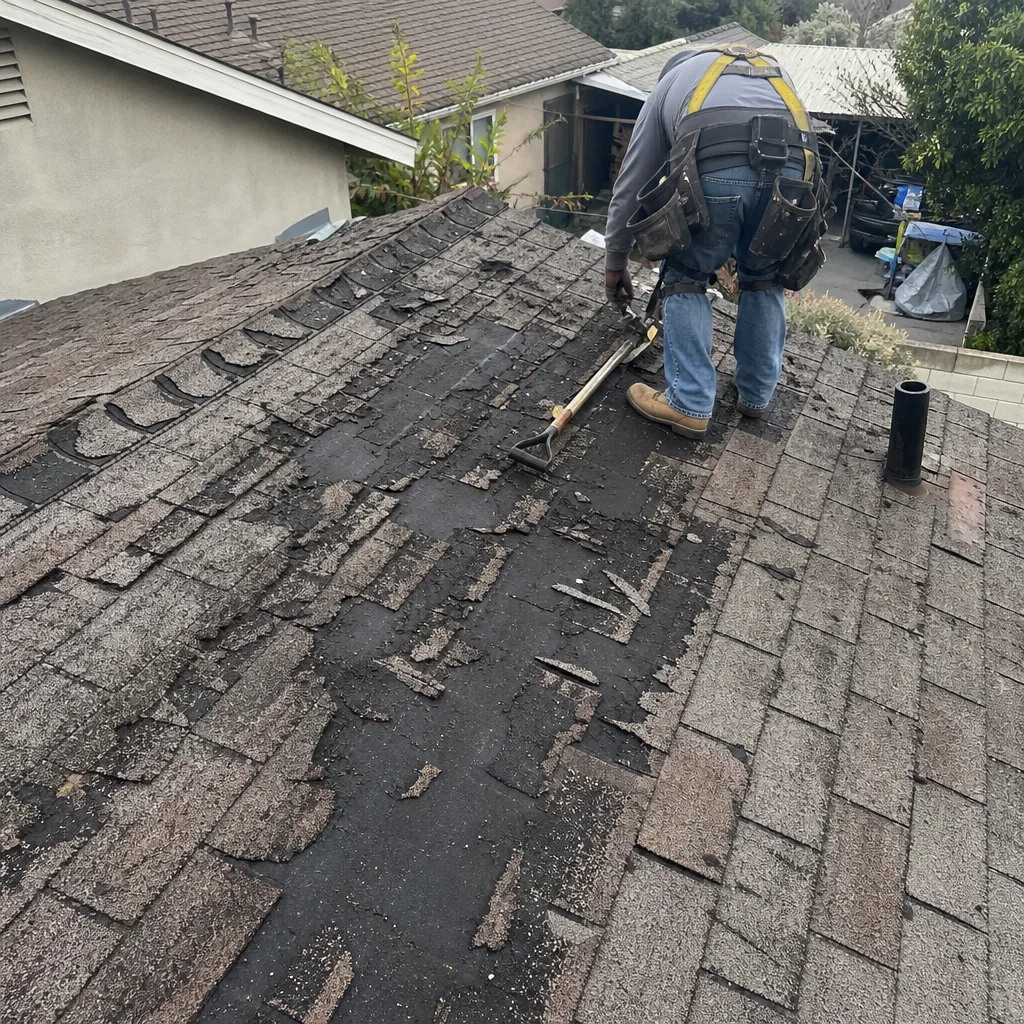 Before
 After
 Before
 After
 Before
 After