Last updated October 30, 2026
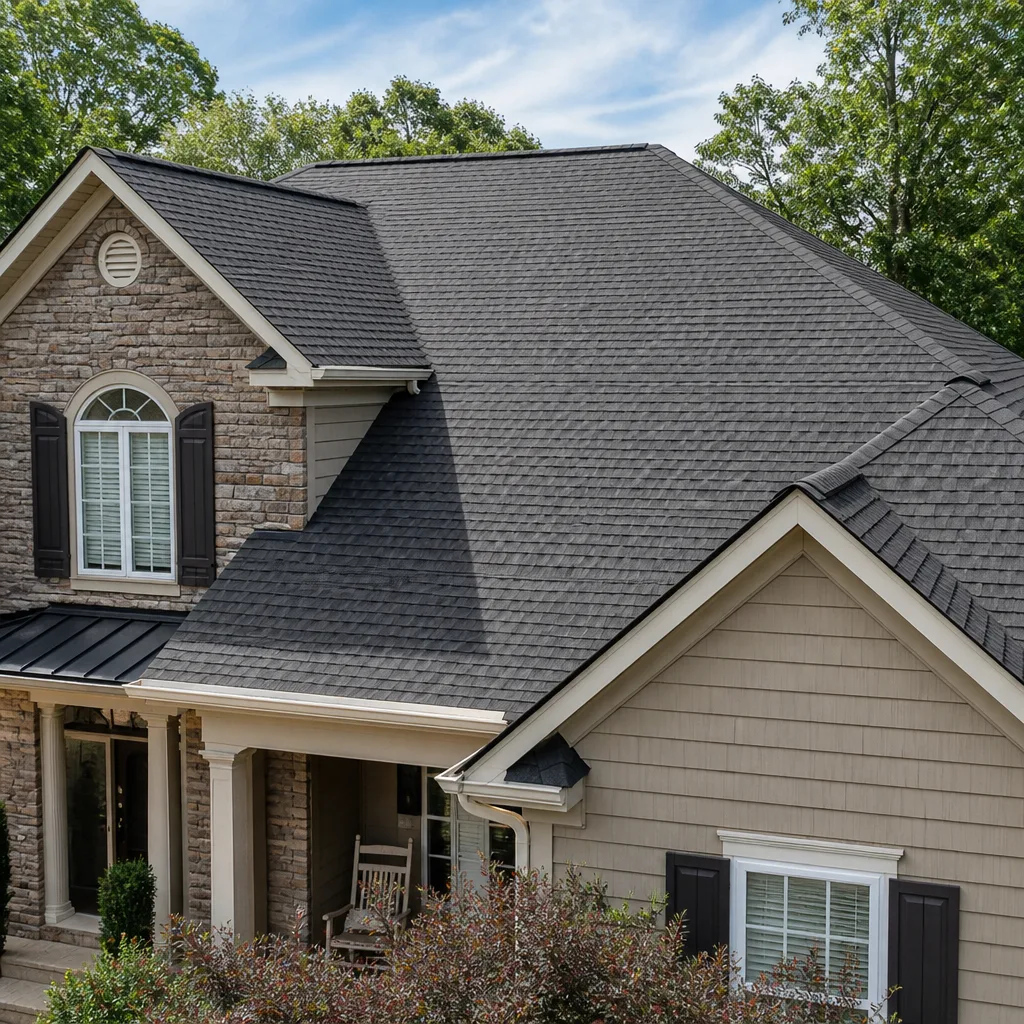 Architectural shingles
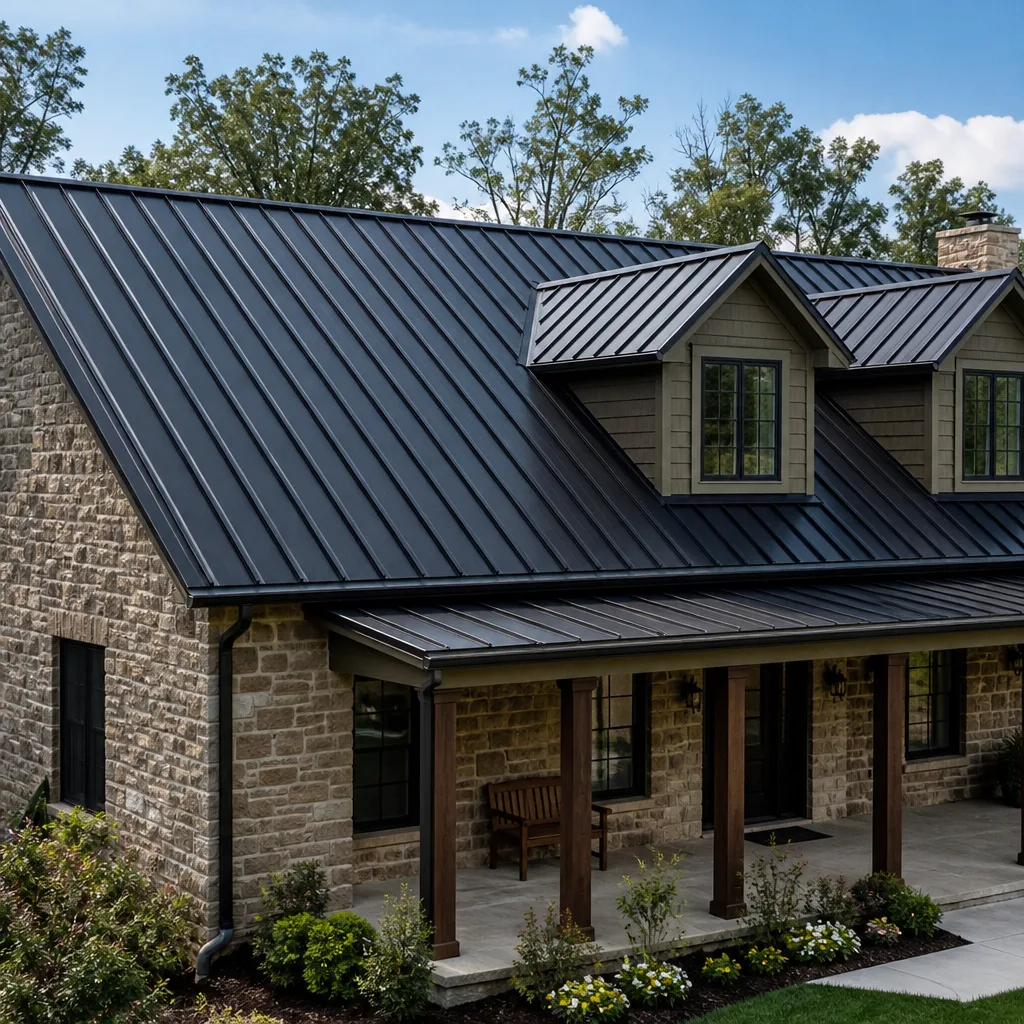 Metal roofing
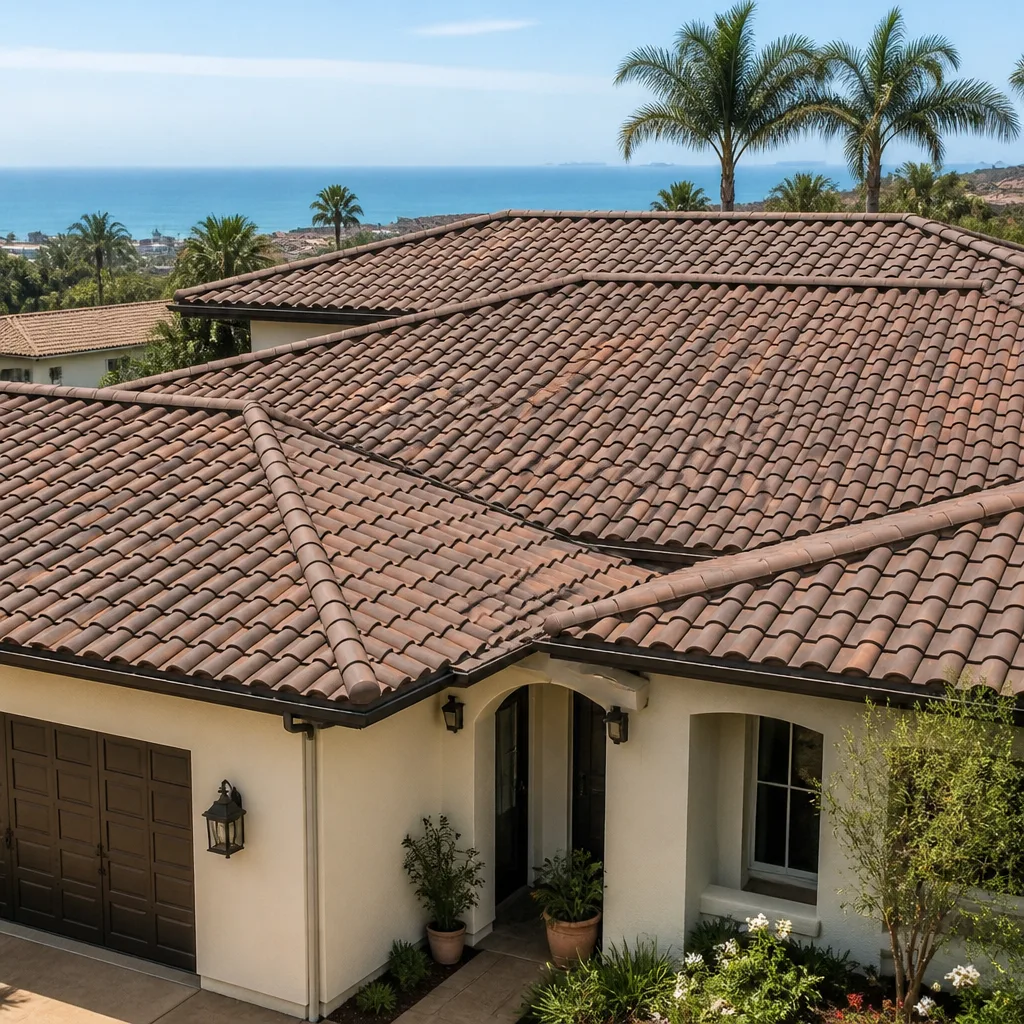 Tile roofing
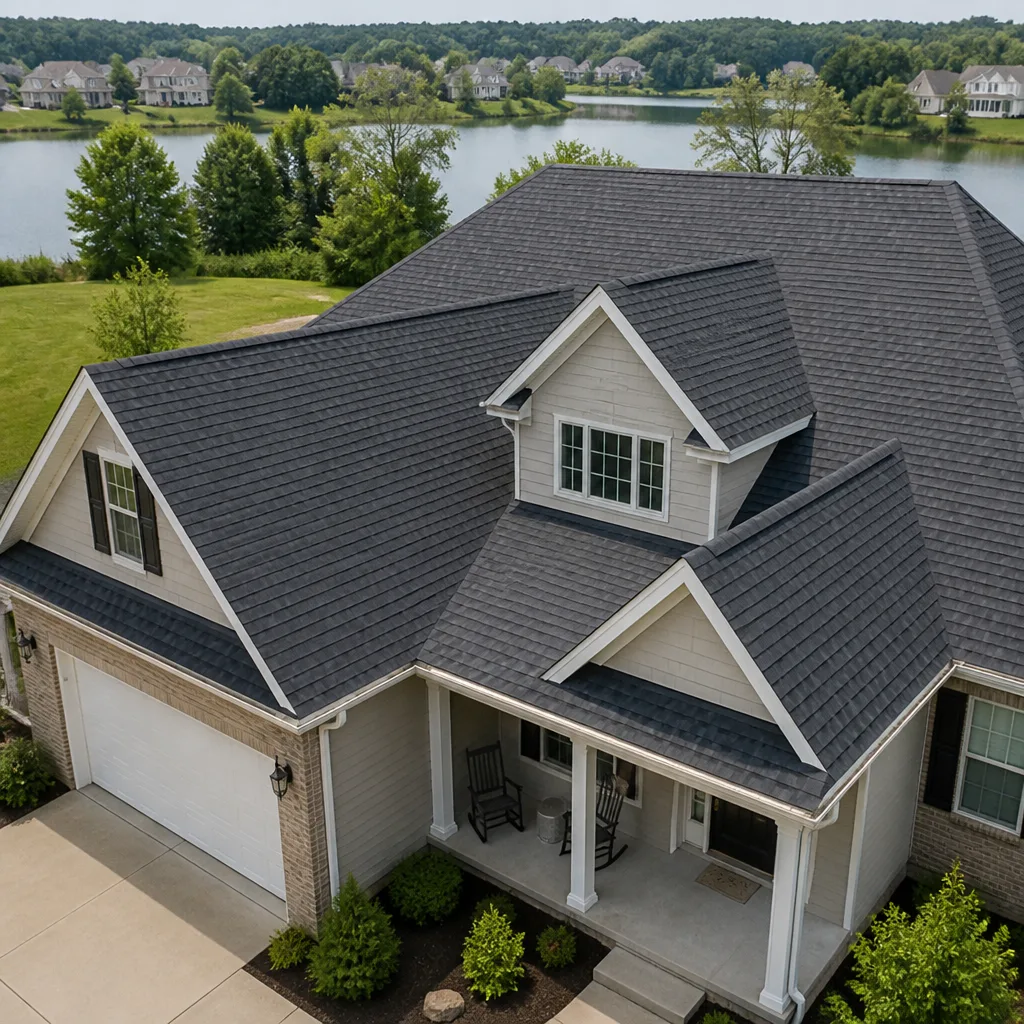 GAF
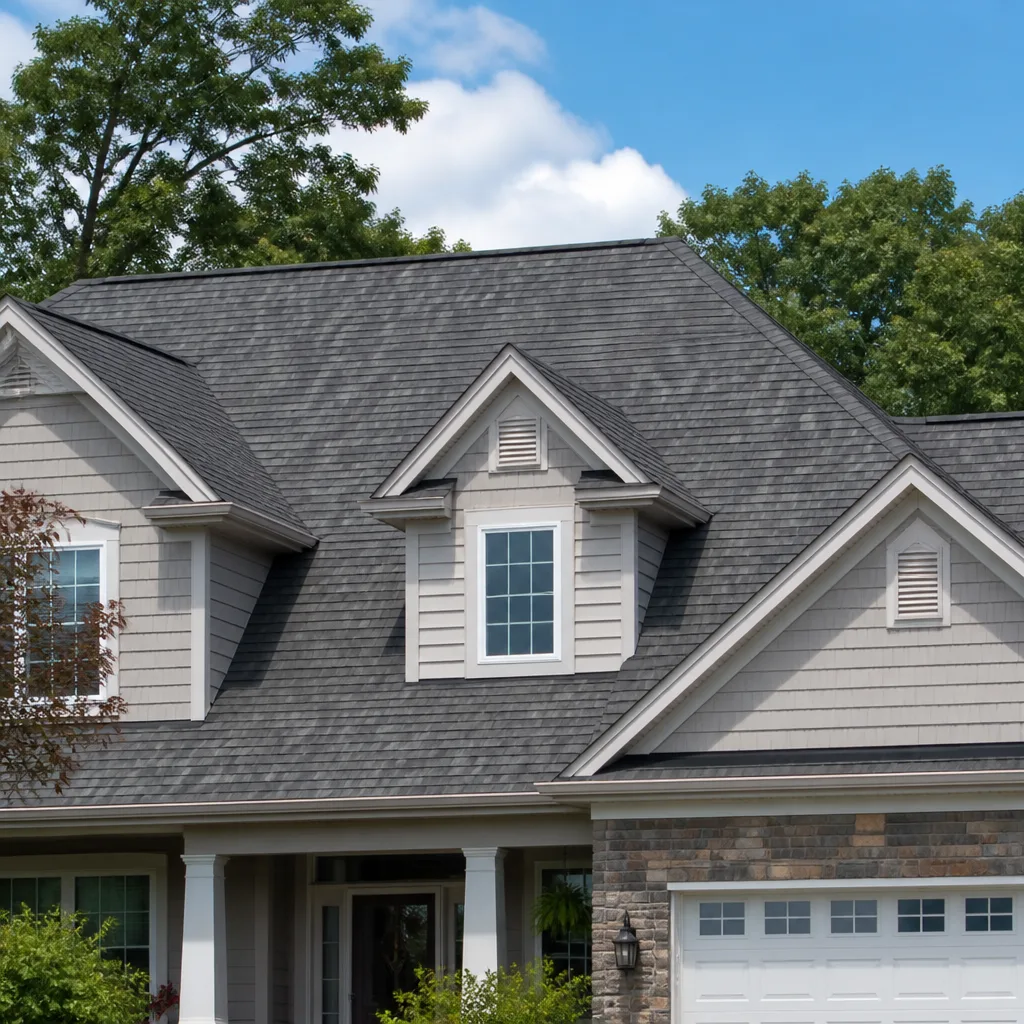 Owens Corning
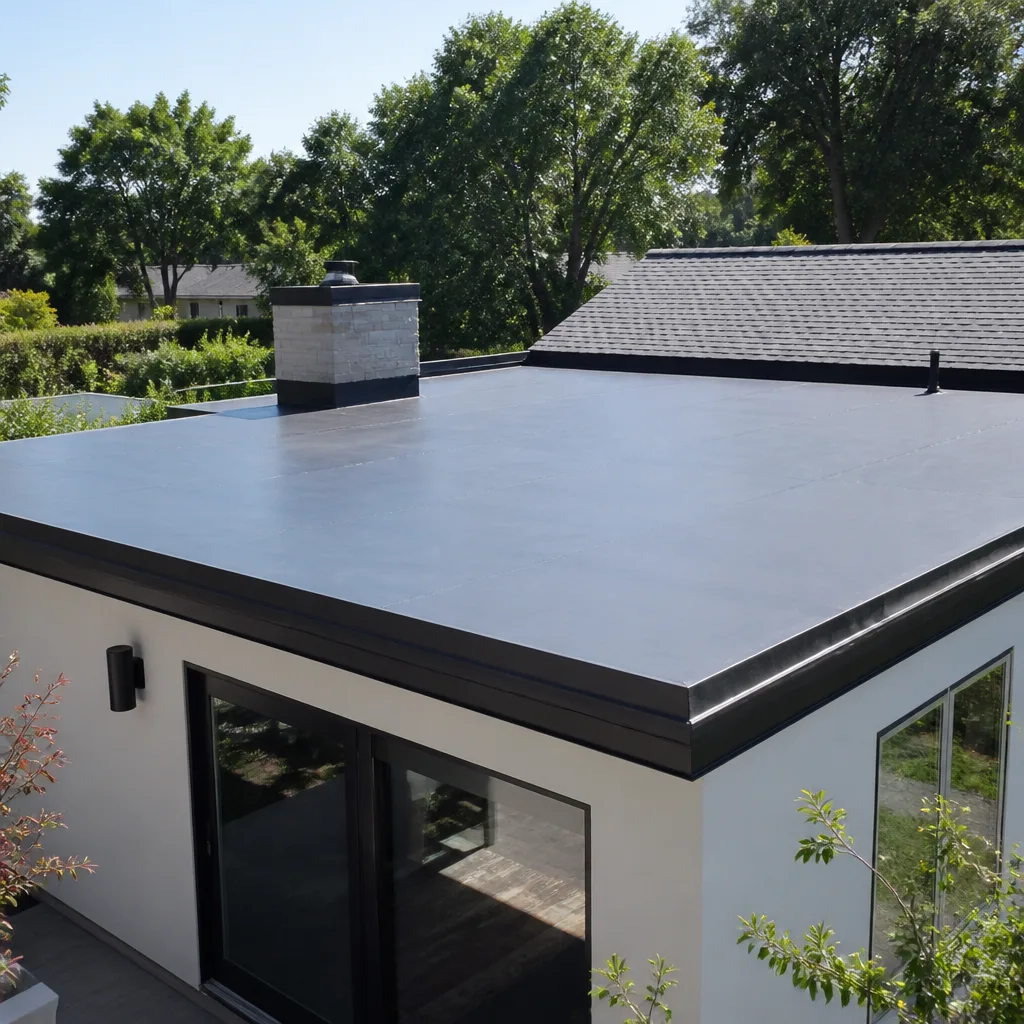 Flat & low-slope
Free roof inspection with deck photos before we talk money - GAF and Owens Corning certified installation
The Complete Roof Repair Guide for San Bernardino Homeowners
San Bernardino averages 287 sunny days a year. That sun does more cumulative damage to roofing materials than most local rainstorms, yet nearly every roof repair guide opens with water damage as the starting problem. That’s backwards. Water is rarely the first failure, it’s the last symptom in a sequence that begins months or years earlier with ultraviolet exposure and wind stress specific to the Inland Empire. This guide breaks down that sequence, shows you what a real repair estimate should include, explains San Bernardino permit requirements, and gives you a budget-staging strategy that keeps one fixed area from failing while you save for the next. If you own a home in San Bernardino, this is the repair guide written for how roofs actually fail here.
Styles & brands we work with
Quick Answer
Roof repair in San Bernardino means addressing the full failure sequence that inland Southern California climate creates: UV degradation first, Santa Ana wind uplift second, and storm water infiltration third. A repair that only patches the visible water damage without checking the UV-compromised materials around it will fail again, usually at the next significant weather event. The right approach is a repair grounded in an inspection that reads the whole roof’s condition, not just the wet spot on the ceiling.
Table of Contents
- The San Bernardino Failure Sequence: UV, Wind, Then Water
- Repair vs. Replacement: How to Make the Honest Call
- DIY Repairs vs. Licensed Contractor Work: The Warranty Reality
- How to Read a Roof Repair Estimate Line by Line
- Permit Reality in San Bernardino: When You Need One and What Happens If You Skip It
- Staging Repairs Across 12 – 24 Months Without Creating New Problems
- Material Selection for San Bernardino’s Climate: What Holds Up and What Doesn’t
- Common Mistakes to Avoid
- When to Call a Professional
- Frequently Asked Questions
- The Bottom Line
The San Bernardino Failure Sequence: UV, Wind, Then Water
Roofs in San Bernardino don’t fail the way roofs in Seattle or Chicago fail. In wet climates, water is the aggressor from day one. Here, the sun starts the damage, the wind widens it, and water only enters after the first two have done their work. Understanding this order changes how you should think about every repair.
Here’s how the sequence plays out on the average San Bernardino roof:
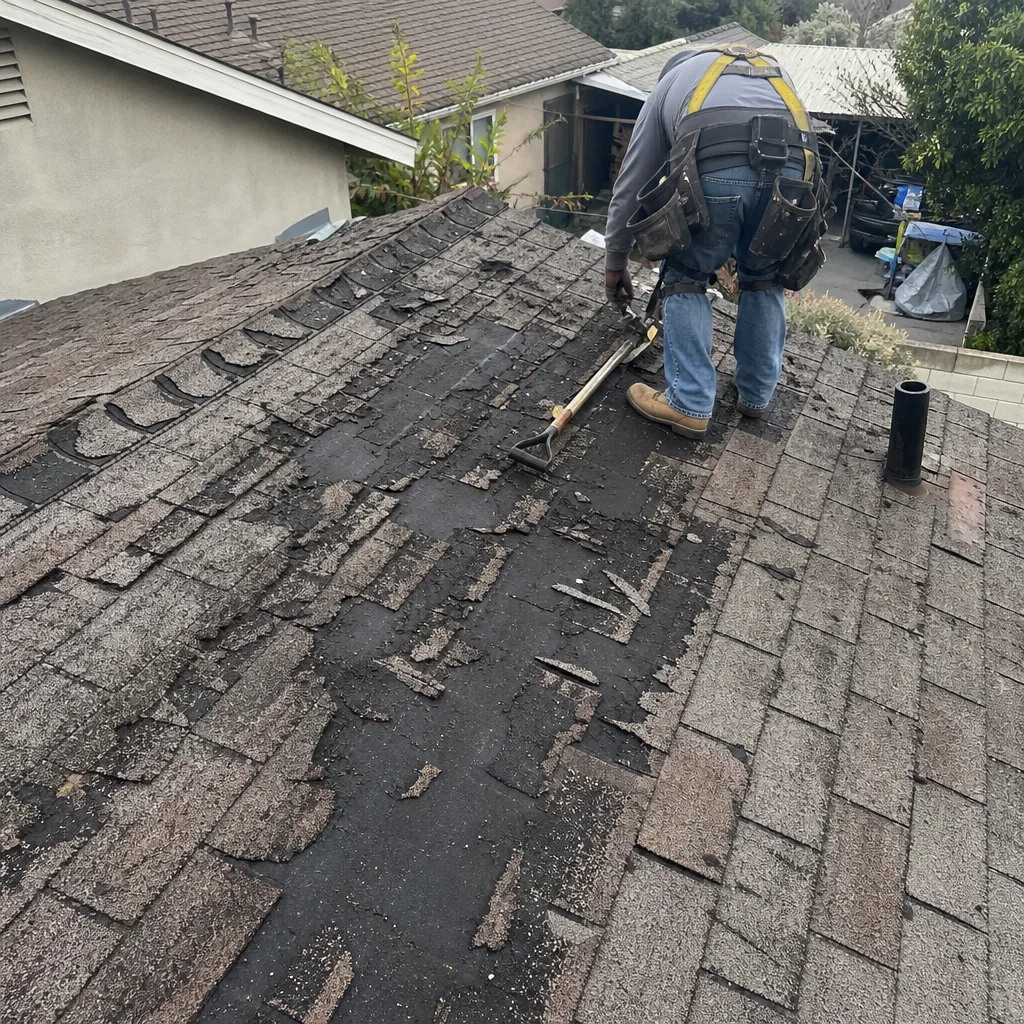
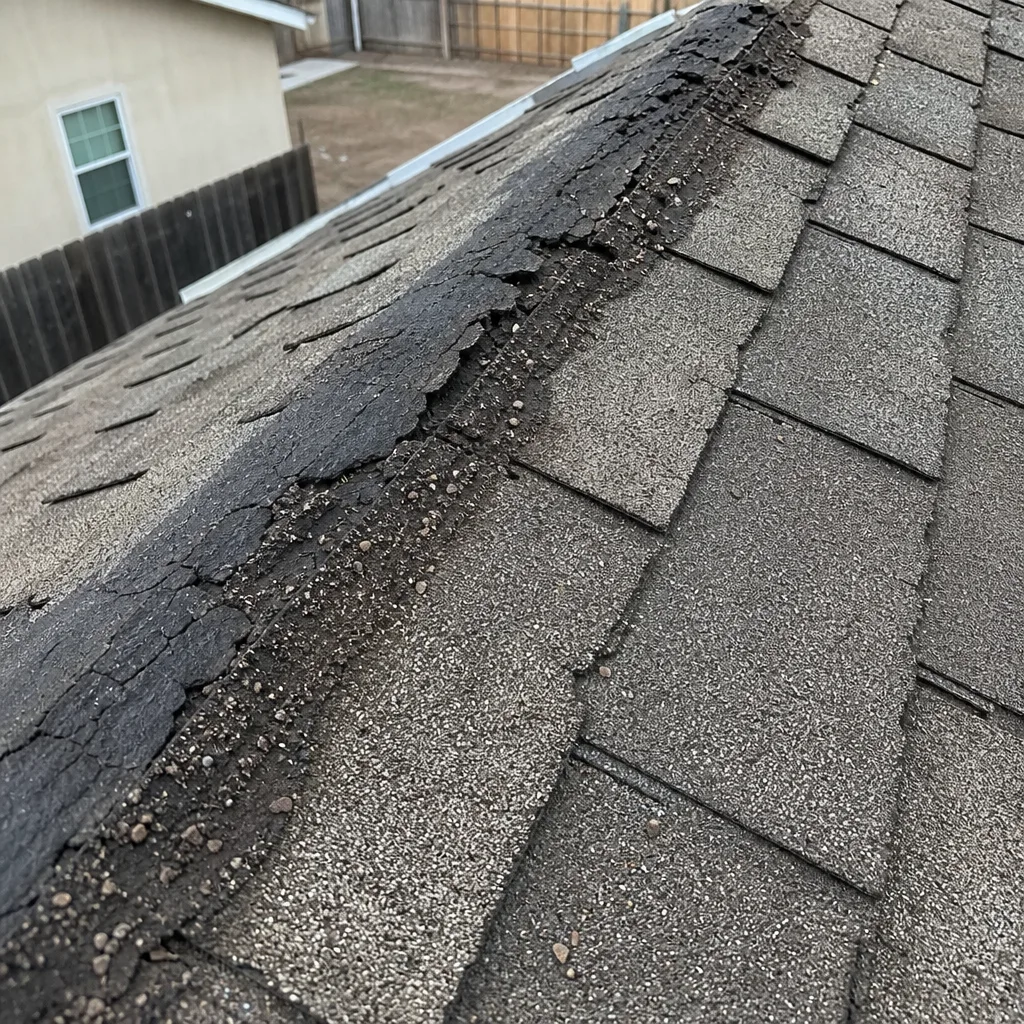
- UV degradation (months 1 – 96, continuous): Asphalt shingle roofs in San Bernardino receive intense ultraviolet exposure nearly year-round. The sun bakes the oils out of the shingle surface, causing granule loss, brittleness, and micro-cracking. You’ll see this as bald patches on shingles, granules collecting in gutters, or a general fading of the roof surface. This stage rarely produces leaks. It produces vulnerability.
- Santa Ana wind uplift (seasonal, October – February): When the Santa Anas blow through the Cajon Pass, they hit San Bernardino with sustained gusts that lift shingle edges and tear at flashing. Shingles that lost adhesion due to UV degradation now become airborne. Wind-driven debris scours the surface. The roof now has entry points, but they may not leak immediately if no rain follows.
- Storm infiltration (winter – spring): When the first real rain arrives after wind damage, water enters through the gaps the wind created. This is when homeowners in San Bernardino notice the ceiling stain, the drips in the garage, or the musty attic smell. The water is the symptom that finally gets attention, but it’s not the root cause.
Here’s why this matters for repair decisions. If you patch only the water entry point, you’ve fixed stage three without addressing the UV-compromised materials in stages one and two. Those materials remain vulnerable. The next Santa Ana event will find the next weak point, and you’ll be back in the same position after the next rain. A repair that lasts in San Bernardino has to account for the whole sequence. That’s why we inspect before we recommend. We’re looking not just at where water got in, but at where the sun and wind have already set up the next failure.
Repair vs. Replacement: How to Make the Honest Call
The most common fear we hear from San Bernardino homeowners is that a roofing contractor will push replacement when a repair would do. That fear exists because the industry has earned it. Plenty of companies make more money on full replacements, and their sales teams are incentivized accordingly.
Here’s the honest framework for making the call:
Repair makes sense when:
- The roof is under 15 years old and the failed area is localized (a single slope, a flashing detail, a valley)
- The surrounding shingles still have granule coverage and bend without cracking
- The decking underneath is solid, with no soft spots or rot spreading beyond the visible damage
- The failure is tied to a specific cause you can identify: a fallen branch, a single wind event, an original installation error at one detail
- Your budget requires staging the work, and the repair buys you 3 – 5 more years of service
Replacement makes sense when:
- The roof is 20+ years old with widespread granule loss visible from the ground
- Multiple leaks have appeared in different areas over the past two winters
- The decking is soft in multiple locations, indicating water damage has spread beneath the surface
- Repair costs on the current damage would exceed 30 – 40% of a full replacement cost
- You plan to stay in the home 10+ years and want to reset the warranty clock
The principle we operate by at Ridge Cap Roof Repair is simple: repair when it makes sense, replace when it doesn’t. Our Roof Inspection in San Bernardino service exists precisely for this decision. An inspection documents the actual condition of the materials, the decking, and the failure points, so the repair-or-replace conversation is based on evidence rather than a sales pitch. We work with seven manufacturers, including GAF, CertainTeed, and Owens Corning, so when replacement is the right call, the material choice is driven by your roof’s needs, not by what we happen to stock.
DIY Repairs vs. Licensed Contractor Work: The Warranty Reality
Some roof repairs are genuinely DIY-viable. Others will void your manufacturer warranty the moment you touch them, and some are dangerous enough that no homeowner should attempt them. Here’s the breakdown.
DIY-viable repairs (for homeowners comfortable on a ladder):
- Replacing a single damaged shingle: If you have matching shingles stored from the original installation and the weather is mild, a careful DIY replacement is reasonable. The key is not nailing through the wrong part of the shingle, which creates a new leak path.
- Clearing debris from valleys and behind chimneys: Twice-yearly debris removal prevents water damming and extends roof life. This is maintenance, not repair, and every homeowner should do it.
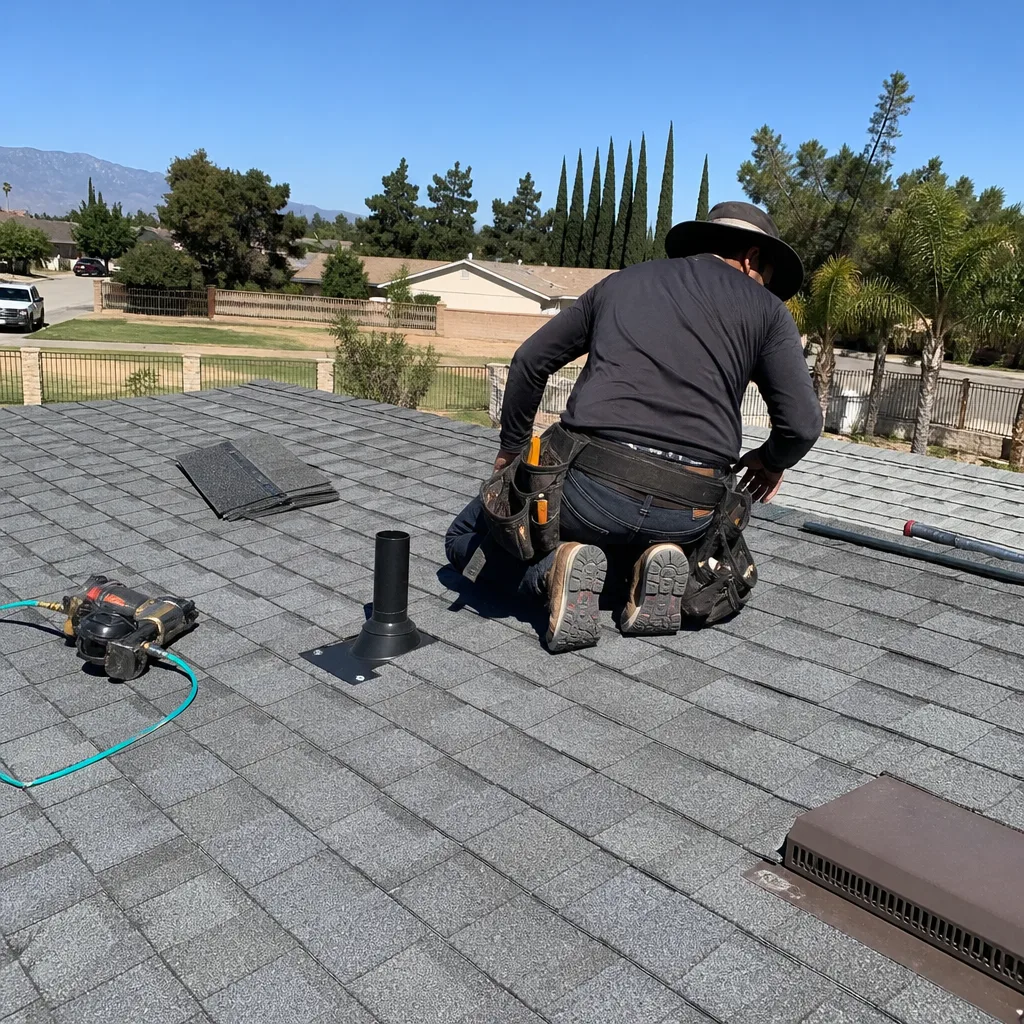
- Resealing a small gap in exposed caulk at a pipe boot: If the rubber boot is intact and the sealant has simply dried and cracked, cleaning and resealing with a proper roofing sealant can buy time.
Repairs that void manufacturer warranties when done DIY or by an unlicensed handyman:
- Any repair that involves removing and reinstalling more than a few shingles: GAF, CertainTeed, and Owens Corning all have warranty language that requires installation by a licensed contractor using manufacturer-approved methods. A DIY repair that fails can void coverage on the entire roof, not just the repaired section.
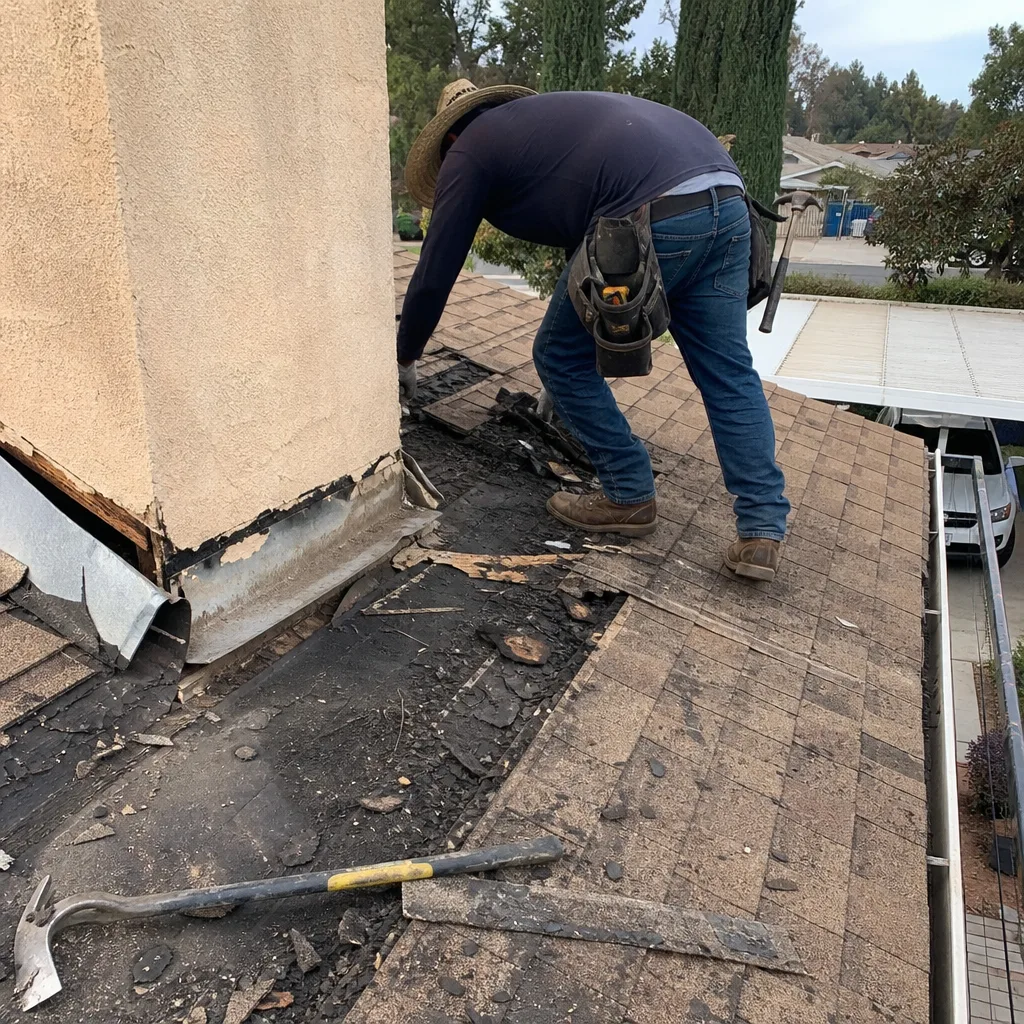
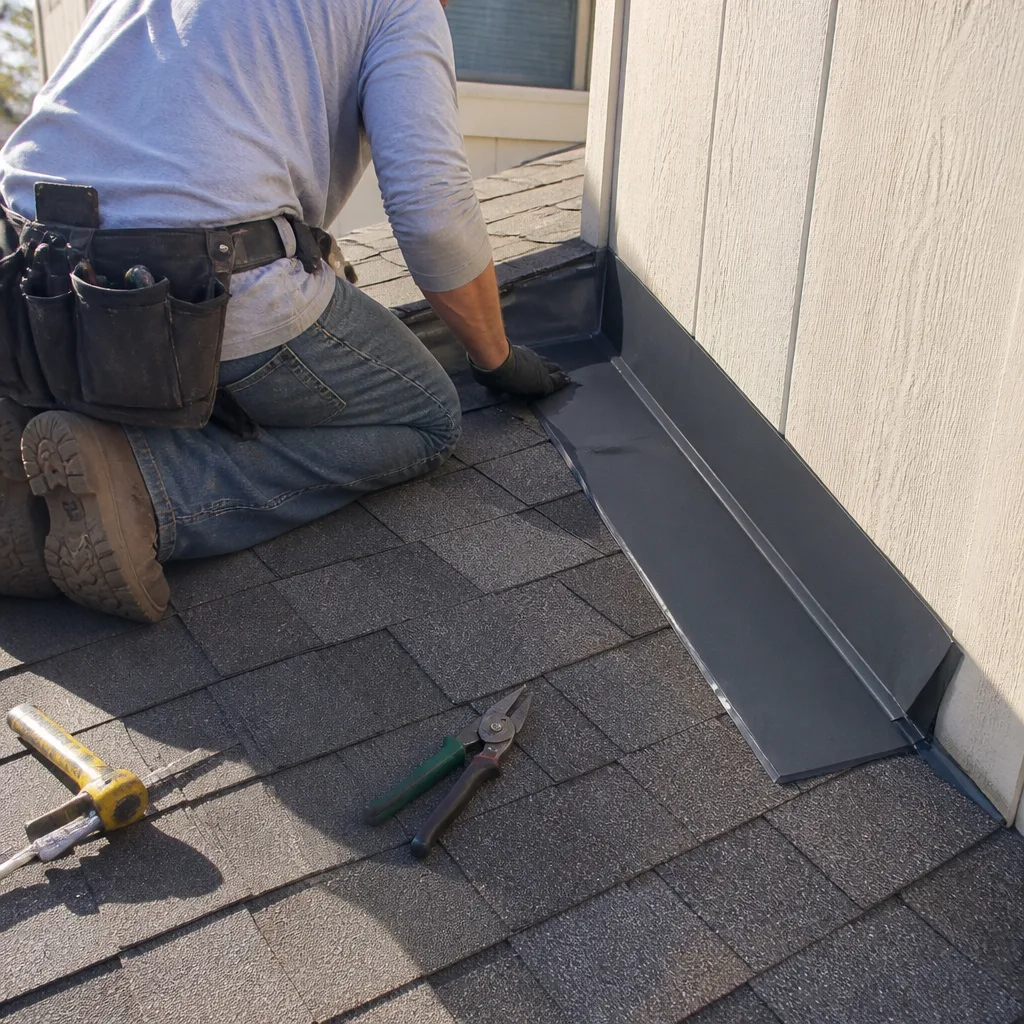
- Flashing repairs at chimneys, skylights, or wall intersections: These are high-leak-probability details. Manufacturers are strict about repair methods, and the risk of doing it wrong is high.
- Underlayment repairs: Once you’re beneath the shingle layer, you’re into work that manufacturers consider structural. This is licensed-contractor territory.
Repairs that are genuinely dangerous and should never be DIY:
- Work on steep-slope roofs (anything beyond a 4:12 pitch): Falls from roofs kill and permanently injure homeowners every year. The risk is not worth the savings.
- Any repair requiring you to work near the ridge cap or at the roof edge: These are the most exposed positions on any roof. The ridge cap is the highest, most exposed, hardest-wearing detail, which is exactly why our company is named for it. From the ridge cap down, we handle the details that get rushed or skipped.
- Repairs during Santa Ana wind events or immediately after rain: Wind makes ladder work unpredictable. Wet shingles are slick. Neither condition is worth your safety.
In California, a licensed roofing contractor carries workers’ compensation insurance, liability coverage, and is accountable to the Contractors State License Board. If an unlicensed worker is injured on your San Bernardino property, you may be liable. That’s a risk that no repair savings justifies.
How to Read a Roof Repair Estimate Line by Line
Most homeowners read the bottom line of a repair estimate and skip the line items. That’s a mistake. The line items tell you what the contractor actually plans to do, what materials they plan to use, and whether they’ve thought through the repair properly. Here’s what a legitimate San Bernardino roof repair estimate should include, and what the absence of each line signals.
A proper repair estimate will itemize:
- Shingle type and quantity: The estimate should name the specific shingle product (for example, “CertainTeed Landmark” or “GAF Timberline”) and the number of squares or bundles. If it just says “roof shingles,” the contractor hasn’t matched your existing roof, which means a visible patch and potential compatibility issues.
- Underlayment specification: For any repair that goes beneath the shingle layer, the estimate should name the underlayment product and its rating. A repair that skips underlayment replacement where the original has degraded is a repair that will fail from underneath.
- Flashing materials: Repairs at chimneys, valleys, walls, and pipe boots require flashing work. The estimate should specify the flashing type (galvanized steel, aluminum, or manufacturer-matched products) and whether existing flashing is being replaced or resealed.
- Fastener pattern: This is the line item most commonly missing from low-bid estimates. A proper repair specifies the nail pattern (typically 4 nails per shingle in normal conditions, 6 in high-wind zones, which includes much of San Bernardino’s Santa Ana corridor). If the estimate doesn’t mention fasteners, you can’t verify the work meets manufacturer specs.
- Decking contingency: Any honest repair estimate includes a per-sheet price for decking replacement with a note that it applies only if damaged decking is found once the shingles are off. The absence of this line means either the contractor doesn’t expect to find damage (unlikely on an older roof) or plans to bury bad decking under new shingles (unacceptable).
- Cleanup and haul-away: Legitimate contractors include debris removal in the estimate. If it’s missing, expect an add-on charge at the end or a contractor who leaves the mess.
- Permit fees (when applicable): If your repair scope triggers a permit requirement in San Bernardino, the estimate should include the permit line. We’ll cover permit specifics in the next section.
What the absence of these lines signals:
An estimate that’s vague on materials, missing underlayment specs, or silent on fasteners is a red flag. It means one of two things: the contractor plans to use whatever is cheapest and available, or they don’t actually know what the repair requires. Either way, you’re not getting a repair that will survive San Bernardino’s UV-wind-water sequence. At Ridge Cap Roof Repair, every estimate includes a written line-item breakdown. You’ll see exactly what materials we’re specifying, from which manufacturer, and why. No change orders on top of a vague initial bid, no surprises after the work starts.
Permit Reality in San Bernardino: When You Need One and What Happens If You Skip It
Permit requirements for roof work in San Bernardino depend on two things: the scope of the work and whether your property falls within city limits or in an unincorporated county parcel. Here’s the practical breakdown.
Permits are generally required in the City of San Bernardino when:
- The repair involves replacing the roof covering on more than a small section (typically more than 10 – 15% of the roof area, though exact thresholds vary by current municipal code)
- Structural repairs are needed, meaning any work on decking, rafters, or trusses
- Re-roofing is occurring, even over existing shingles, where the city requires inspection of the underlayment and decking before the new layer goes on
Permits are generally not required for:
- Replacing a handful of individual shingles in a localized repair
- Resealing flashing or pipe boots where no structural element is disturbed
- Cleaning, maintenance, and minor repairs that don’t touch the roof structure or remove a significant area of covering
Unincorporated San Bernardino County parcels:
County requirements are often similar but can differ in specific documentation and fee structure. If your home is in an unincorporated area like Muscoy or Devore, check with San Bernardino County Building and Safety for current repair permit thresholds. The rule doesn’t change: structural work and large-area re-covering trigger permits.
What happens if you skip a required permit:
Unpermitted roof work creates three problems. First, if you sell the home, the unpermitted work may be flagged during the disclosure process, and buyers may demand remediation or a price concession. Second, if an insurance claim touches the roof area later, the insurer may deny coverage for work that wasn’t permitted or inspected. Third, a failed unpermitted repair can create code violations that the city discovers through other interactions, leading to fines and mandated corrections at your expense.
A licensed contractor who handles permits as part of the job is doing you a service. The permit means an inspector from the City of San Bernardino examined the completed repair and confirmed it meets current code. That inspection record protects your property value and your insurance standing. If you’re unsure whether your specific repair needs a permit, call the city’s Building and Safety division directly, or ask us during your inspection. We’ll tell you honestly what the scope requires.
Staging Repairs Across 12 – 24 Months Without Creating New Problems
Not every San Bernardino homeowner can fund a full repair or replacement in a single season. Roof work competes with car payments, tuition, medical bills, and everything else that demands a share of the household budget. Staging repairs over 12 to 24 months is a legitimate strategy, but it has to be done in the right order. Doing it wrong creates a house of cards where one repaired section is compromised by the failure of an adjacent deferred section.
Here’s the staging order that protects your investment:
- Month 1: Get a full inspection. You cannot stage repairs intelligently without knowing the complete condition of the roof. A Roof Inspection in San Bernardino documents every failure point, ranks them by severity, and gives you the data to sequence the work properly. Skipping this step means staging in the dark.
- Months 1 – 3: Address active leaks and structural threats first. Any area where water is actively entering the home goes to the top of the list. This includes flashing failures, damaged pipe boots, and any shingle loss over living spaces. A leak that continues while you save for other repairs compounds the damage beneath the surface, making the eventual repair more expensive.
- Months 3 – 8: Repair the wind-damaged sections. After active leaks are controlled, address the areas where Santa Ana uplift has created vulnerabilities: lifted shingles, exposed nail heads, damaged ridge cap shingles, and loose flashing. These are the next failure points for the coming season’s winds.
- Months 8 – 18: Reinforce the UV-compromised areas. Now address the sections where UV degradation is most advanced, even if they haven’t failed yet. This is the preventive work that breaks the failure sequence. Addressing these areas before they leak saves you the cost of interior repairs that water damage would add.
- Months 18 – 24: Complete remaining sections and cross-check. The final phase covers the remaining areas, then re-inspects the work done in earlier phases to confirm everything is holding together. From the ridge cap down, the roof should now be in consistent condition across all sections.
The critical rule in staging: never leave a repaired section adjacent to a failing section for more than one weather cycle. Water doesn’t respect property lines within your own roof. A leak in the deferred area can travel along decking seams and underlayment to undermine the section you just paid to fix. If your budget forces you to defer part of the work, the deferred area should be the one in the best current condition, not the worst.
Material Selection for San Bernardino’s Climate: What Holds Up and What Doesn’t
San Bernardino’s climate punishes the wrong roofing material choices. Between the summer heat, the UV load, and the Santa Ana winds, materials that perform well in coastal San Diego or foggy San Francisco can fail early in the Inland Empire. Here’s what matters.
Material characteristics that matter most in San Bernardino:
- UV resistance: This is the non-negotiable. The roof covering has to retain its flexibility and granule adhesion after years of intense sun exposure. Shingles with high UV-stabilization ratings and thicker construction hold up better.
- Wind uplift rating: Santa Ana winds routinely exceed 60 mph in the pass areas around San Bernardino. Roofing materials and installation methods must meet or exceed the wind zone requirements for this specific region.
- Heat tolerance: Summer surface temperatures on a San Bernardino roof can exceed 160°F. Materials that warp, soften, or lose adhesion at high temperatures are a liability here.
- Impact resistance: Wind-blown debris during Santa Ana events, plus the occasional hail event in the Inland Empire, makes impact-rated materials worth considering if your budget allows.
How material selection plays out across manufacturers:
Ridge Cap Roof Repair works with seven major manufacturers: GAF, CertainTeed, Owens Corning, IKO, Atlas, Tamko, and Boral. That breadth matters for San Bernardino homeowners because different manufacturers have different strengths in different conditions. A homeowner on a tight budget who needs a solid asphalt shingle might be best served by one manufacturer’s product line. A homeowner in a fire-prone zone near the foothills who wants a Class A fire-rated material may need a different product entirely. A homeowner dealing with extreme UV exposure on a south-facing slope may benefit from a manufacturer whose shingle formulation emphasizes UV stabilizers.
Seven manufacturers. One crew. That’s the practical advantage. We’re not locked into a single brand’s product ecosystem, which means the material recommendation is driven by your roof’s condition, your microclimate within San Bernardino, and your budget rather than by what we’re contractually obligated to sell. If you want to understand which material makes sense for your specific roof, the conversation starts with an inspection that documents what your roof is actually dealing with.
Common Mistakes to Avoid
- Patching the water symptom without addressing the UV cause: The most common San Bernardino repair mistake is sealing the leak and calling it done. The sun-compromised shingles around the repair remain, and the next wind event finds them. The repair fails, and the homeowner blames the roofer when the real issue was an incomplete diagnosis.
- Nail-over-reroof without an underlayment inspection: In San Bernardino’s heat, the original underlayment can be baked brittle while the shingles above still look serviceable. A new layer of shingles over degraded underlayment creates a roof that looks new and fails early. Always verify underlayment condition before any re-cover decision.
- Accepting a bid that’s significantly below the market range without reading the line items: A low bid that omits decking contingency, proper fasteners, or underlayment specs is not a bargain. It’s a different scope of work disguised as a better price. Read the estimate before you accept it.
- Ignoring the ridge cap during partial repairs: The ridge cap is the highest, most exposed detail on the roof. When San Bernardino homeowners repair shingle fields but skip ridge cap damage, the cap fails and water enters at the peak, running down through the entire roof structure. The highest detail deserves the most attention, not the least.
- Skipping the permit on re-roof work: A contractor who offers to do re-roof work “under the radar” to save permit fees is transferring all the liability to you. The savings never justify the exposure when you sell the home or file an insurance claim.
- Doing Santa Ana season repairs without checking the extended forecast: Starting a repair two days before predicted 70 mph gusts means your new materials face their most extreme test before they’ve fully adhered. Staging work around the wind forecast is not just convenient, it’s materially important.
- Choosing a contractor based on the brand they sell rather than the diagnosis they provide: A contractor who pushes one brand regardless of the roof’s actual needs is a salesperson first and a roofer second. The material should match the job, not the other way around.
When to Call a Professional
Some situations shouldn’t wait for the next budget cycle. If you’re seeing water stains on ceilings or walls, especially after the first rain of the season, call a professional now. Water that’s already inside the structure is compounding damage to insulation, decking, and framing materials with every passing week. If you’ve lost shingles after a Santa Ana event, even without a leak yet, the exposed underlayment is now one rainstorm away from a genuine emergency. If you’re buying or selling a home in San Bernardino and the roof condition is unclear, a professional inspection protects the transaction from turning into a post-closing surprise. If you’ve noticed granules in your gutters repeatedly over the past several cleanings, the UV failure sequence is already underway, and the earlier you act, the smaller the repair scope will be. Roof Repair in San Bernardino starts with an honest assessment of what your roof actually needs. Ridge Cap Roof Repair offers free estimates in San Bernardino. Call (866) 361-0798 to schedule yours.
Frequently Asked Questions
Roof Repair services in San Bernardino typically start at $350 to $900 for localized shingle replacement, flashing resealing, or pipe boot repair. Moderate repairs involving larger areas or multiple details usually fall between $900 and $2,800. Full-section repairs with decking replacement can exceed $4,000 depending on square footage and material matching. These are general ranges based on typical San Bernardino market rates; your actual cost depends on access, roof pitch, material type, and damage extent. Call (866) 361-0798 for an exact quote on your specific roof.
Most localized repairs in San Bernardino are completed in a single day, weather permitting. Larger repairs that involve decking replacement or multiple roof areas typically take two to three days. Repairs that require permit inspection will add time for the city inspection scheduling, which varies by season and city workload. The forecast matters: we avoid starting work when Santa Ana winds are predicted within 72 hours, because new materials need calm conditions to set properly.
A properly permitted and documented roof repair should not cause your insurance rates to rise, and it may actually help your standing with the insurer by demonstrating proactive maintenance. However, if the repair is done without permits and fails later, your insurer may deny a subsequent claim for related damage. Always keep documentation of the repair and ensure any required permits were pulled and closed. Find more guides & resources on protecting your home investment.
Sectional repair is absolutely viable when the rest of the roof is in sound condition. The key is confirming that the unrepaired sections are genuinely healthy, which requires an inspection that goes beyond what’s visible from the ground. UV damage in San Bernardino can be advanced on a south-facing slope while the north slope looks almost new. An inspection documents the full picture so you can make the sectional versus full-roof decision with evidence rather than guesswork, as discussed in our DIY vs Professional Roofing: The San Bernardino Homeowner’s Decision Guide.
Materials with high UV-stabilization ratings and strong wind uplift resistance perform best in San Bernardino’s climate. Within asphalt shingles, the architectural lines from manufacturers like GAF, CertainTeed, and Owens Corning generally offer better durability than three-tab shingles. For homeowners prioritizing fire resistance, particularly near the foothill areas, Class A fire-rated materials are worth evaluating. The right material depends on your specific exposure, roof pitch, and budget. We inspect before we recommend, so the material selection is based on your roof’s actual conditions.
Ridge Cap Roof Repair provides three services: Roof Inspection, Roof Repair, and Roof Replacement. The same team that inspects your roof is the team that performs the work, whether the scope is a localized repair or a full Roof Replacement in San Bernardino. There’s no hand-off between an inspection crew and a separate repair crew, which means the findings from your inspection carry directly into the plan for your roof. Call (866) 361-0798 to schedule an inspection or request a free estimate.
The Bottom Line
San Bernardino’s climate creates a specific failure order on roofs: the sun breaks down materials first, the Santa Ana winds exploit those weaknesses second, and water enters third. Any repair strategy that ignores this sequence will underperform. The right approach is to inspect first, understand what’s actually failing and in what order, then repair strategically, whether all at once or staged across 12 to 24 months. A good repair estimate lists its materials, underlayment, fasteners, and permit status explicitly. A good contractor answers questions honestly and never pushes replacement when repair will do the job. From the ridge cap down, the goal is a roof that survives the next Santa Ana season and the one after that. If you’re ready to know what your roof actually needs, call (866) 361-0798 for a free estimate. We inspect before we recommend, and we repair when it makes sense. We replace when it doesn’t.
Written by the team at Ridge Cap Roof Repair, serving San Bernardino since 2018. Learn more about Ridge Cap Roof Repair home or call (866) 361-0798 to schedule your free roof inspection.
See the difference
 Before
 After
 Before
 After
 Before
 After